
Why a Room-by-Room Cleaning Schedule Transforms Your Home
Benefits of Organized Cleaning
Maintaining a clean home often feels overwhelming, especially when tasks pile up unpredictably. A room-by-room cleaning schedule breaks down these larger tasks into manageable chunks, providing structure and clarity. This organized approach minimizes procrastination by assigning specific chores to distinct times, which helps in maintaining consistency over the long term. When each room receives focused attention, cleaning becomes more efficient, and your home remains inviting and orderly throughout the year.
How Clutter Affects Your Daily Life
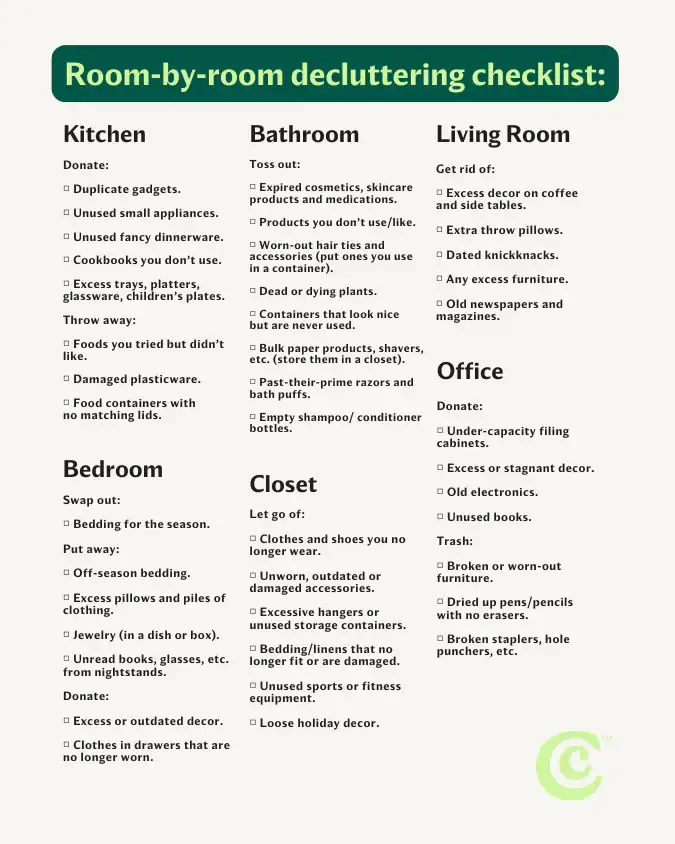
Clutter doesn’t just make a space look untidy; it impacts your well-being in subtle but significant ways. A disorganized environment can increase stress levels, reduce productivity, and interfere with relaxation. When household items are scattered and surfaces are dirty, tasks like finding keys or sitting down to enjoy leisure time become frustrating. This cumulative effect drains your energy and diminishes comfort within your own living space, making a solid cleaning routine essential for both physical and mental clarity.
Overview of a Year-Round Cleaning Plan
Monthly vs. Weekly Tasks
One common challenge in home maintenance lies in balancing frequent upkeep with deeper cleaning efforts. Weekly tasks typically involve surface-level tidying such as dusting, vacuuming, and wiping down countertops, which prevent dirt accumulation. Monthly duties take a step further by addressing areas often overlooked, such as cleaning vents, washing windows, or wiping baseboards. Dividing chores by frequency ensures no area becomes neglected, creating a rhythm that protects your home from chaos building up over time.
Seasonal Deep Cleaning Essentials
Seasonal cleaning is vital because some tasks require more time and effort than regular upkeep allows. For example, in spring, it’s important to deep clean carpets, launder curtains, and clear out accumulated winter grime. Fall often calls for chimney inspections, window sealing, and organizing closets for upcoming colder months. These thorough cleaning sessions reset your home’s condition, preparing it for changes in weather and lifestyle demands.
Room-Specific Cleaning Breakdown
Living Room: Creating a Relaxation Haven
The living room is where families gather and guests are entertained, so its cleanliness greatly influences your home’s overall feel. Problems often stem from accumulated dust on electronics, scattered magazines, and unwashed upholstery. Tackling these issues with a regular dusting routine and periodic vacuuming of furniture significantly enhances comfort. Additionally, organizing cables and decluttering surfaces keeps the space welcoming and visually calm, encouraging relaxation.
Kitchen: Keeping the Heart of the Home Hygienic
Kitchens are prone to mess due to food preparation, spills, and frequent use. This environment invites bacteria growth and odors if not managed properly. Common causes of kitchen clutter include neglected pantry items and piled-up dishware. Establishing daily wipe-downs of counters and sinks, weekly cleaning of appliances, and monthly purging of expired foods can prevent hygiene problems. A focused cleaning schedule ensures this vital room remains safe and functional.
Bedrooms: Maintaining Serenity and Order
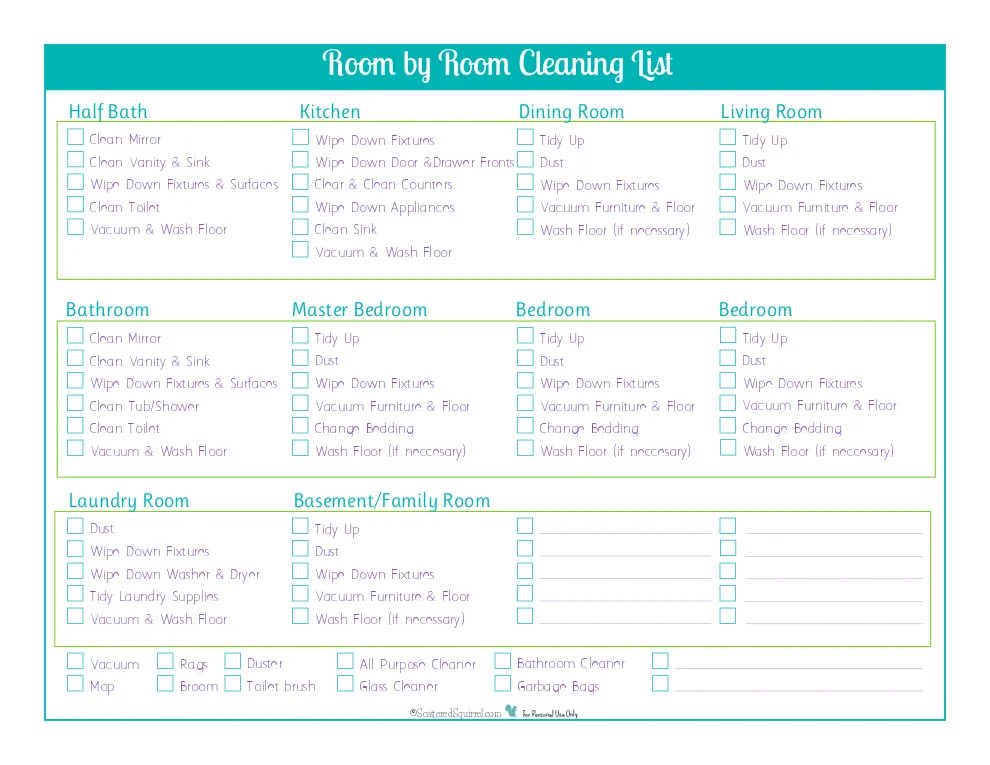
Bedrooms should be restful spaces, but cluttered surfaces and unmade beds disrupt this peaceful atmosphere. Causes often include clothes left out of place and neglected nightstands. Incorporating simple habits like making the bed daily, putting away laundry promptly, and dusting bedside tables each week can restore tranquility. Decluttering drawers and closets seasonally also helps maintain order and reduces stress associated with mess.
Bathrooms: Tackling Hygiene with Efficiency
Bathrooms require consistent attention because they are breeding grounds for germs and mold. Problems usually arise from overlooked grout lines and product buildup on surfaces. Weekly scrubbing of sinks, toilets, and showers prevents these issues. Deep cleaning tasks, such as descaling faucets and washing shower curtains, performed every few months further improve hygiene. Promptly addressing spills and leaks keeps the bathroom safe and pleasant to use.
Home Office & Study Areas: Eliminating Distractions
In work or study environments, clutter hinders productivity and focus. Frequent causes include paper piles, tangled wires, and obsolete supplies. Solutions involve organizing paperwork into files, using cable management tools, and regularly assessing which items are essential. Dedicated cleaning days aimed at dusting electronics and wiping desks help maintain a clean, distraction-free zone conducive to concentration and efficiency.
Entryways & Hallways: First Impressions Matter
Entryways and hallways set the tone for your home but often become catch-alls for shoes, coats, and mail. This clutter creates a chaotic first impression and can increase tripping hazards. Clear storage options like shoe racks and coat hooks provide practical solutions. Regularly clearing out accumulated debris and vacuuming these transition spaces ensures your home greets visitors with cleanliness and order.
Decluttering Strategies for Each Space
Smart Storage Solutions
Clutter primarily emerges when belongings lack designated storage, leading to random placement. Identifying functional storage options tailored to each room’s needs encourages items to have a “home.” This might mean baskets in the living room for remote controls, drawer dividers in bedrooms for accessories, or labeled containers in the kitchen pantry. Smart storage minimizes accumulated mess and simplifies cleaning by reducing the chances of scattered possessions.
Regular Purge and Donate Sessions
Accumulation of unnecessary items is a major pitfall in maintaining a clutter-free home. Without periodic evaluation, closets and cabinets quickly fill with unused things. Scheduling regular purge and donate sessions helps combat this problem by consciously deciding what to keep, store, or give away. This habit not only frees physical space but also refreshes the household environment, making cleaning less daunting.
Tools and Products to Simplify Your Routine
Must-Have Cleaning Supplies for Every Room
Effective cleaning relies on having the right tools at hand. Basic supplies include microfiber cloths for dusting, multi-surface cleaners, a quality vacuum, and disinfectants. Tailoring your toolkit to include specialty items like grout brushes for bathrooms or stainless steel polish for kitchens further boosts efficiency. Keeping these supplies easily accessible avoids interruptions and streamlines your cleaning workflow.
Tech Aids: Apps and Timers for Consistency
Staying on track with your cleaning schedule can be challenging without reminders or motivation. Digital tools like cleaning apps enable task scheduling, progress tracking, and even gamification to make chores more engaging. Setting timers while cleaning enforces focused bursts of productivity rather than dragging out tasks. These tech solutions support regularity, helping your cleaning routine stick over time.
Maintaining Motivation and Staying on Track
Setting Realistic Goals
A common reason cleaning plans falter is setting expectations too high, leading to burnout. Approaching your schedule with realistic, achievable goals keeps motivation alive. Instead of trying to deep clean the entire house in one day, breaking tasks into smaller, attainable segments reduces overwhelm. Celebrating these small victories builds momentum for continued success.
Involving Family Members
Cleaning should not be the sole responsibility of one person. When family members share duties, the workload lightens and creates a sense of collective ownership. Clear communication about tasks and rotating responsibilities ensures fairness. Additionally, involving everyone teaches good habits and keeps the home consistently tidy without burdening any one individual.


