
Understanding the Importance of Morning Breathing Exercises
How Breath Impacts Stress Levels
Breathing is something we often take for granted, yet it plays a crucial role in how our body handles stress. When we feel anxious or overwhelmed, our breath tends to become shallow and rapid, which can intensify feelings of tension. On the other hand, intentional, slow breathing sends signals to our nervous system that help calm the mind and relax the body. Simply put, the way we breathe can directly influence our emotional state, making it a vital tool for managing stress.
Why Morning is the Best Time for Breathing Practices
Starting your day with mindful breathing sets a peaceful tone that can carry through to the rest of your activities. Mornings offer a natural moment to pause, especially before the busyness of daily life takes over. Engaging in breathing exercises early can help clear mental fog, boost focus, and prepare you for challenges with a grounded mindset. This quiet time is especially beneficial because the mind is typically less cluttered, making it easier to engage deeply with your breath.
Top Simple Breathing Exercises to Start Your Day
Diaphragmatic Breathing: Technique and Benefits
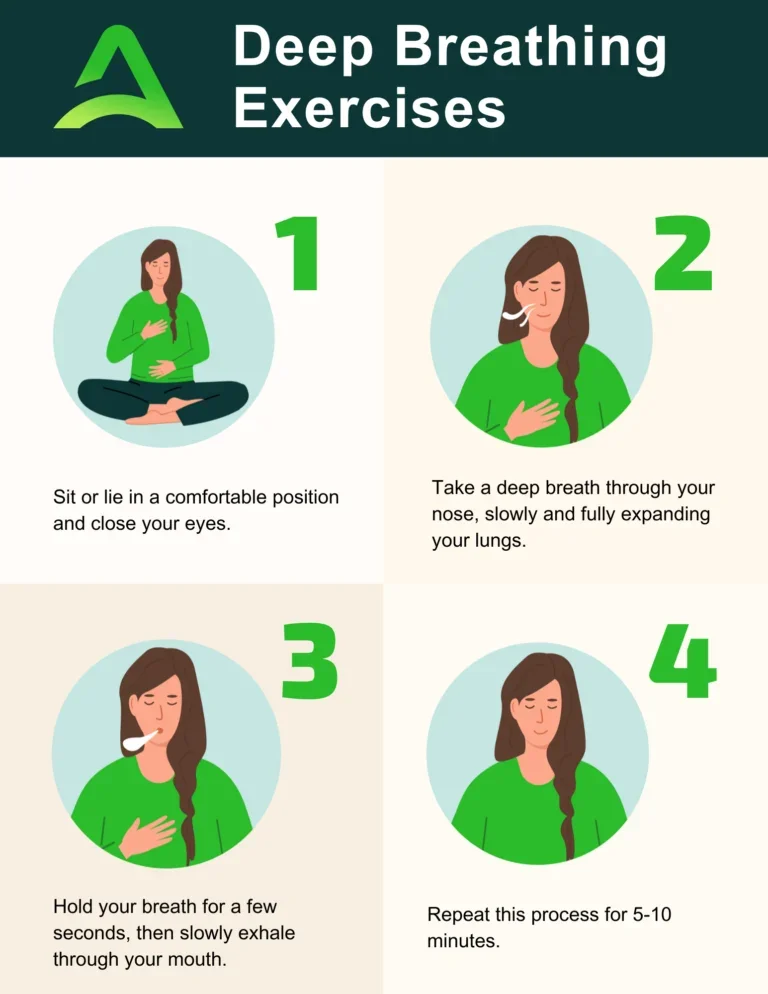
Diaphragmatic breathing, often called belly breathing, involves drawing breath deep into the lungs so that the diaphragm—rather than the chest—expands. This type of breathing encourages full oxygen exchange and activates the body’s relaxation response. To practice, sit or lie down comfortably and place one hand on your chest and the other on your belly. Inhale slowly through your nose, feeling your belly rise, then exhale gently through your mouth. This simple movement can help reduce stress and promote a feeling of calmness that lingers as you go about your morning.
Box Breathing Method for Calmness

The box breathing technique uses equal counts for inhaling, holding, exhaling, and pausing, creating a rhythmic pattern that can steady both mind and body. Imagine breathing in for four counts, holding for four, breathing out for four, and pausing for another four before repeating. This method is known to enhance concentration and reduce anxiety, making it an excellent option for those looking to usher in a certain calm before starting the day.
Alternate Nostril Breathing to Balance Mind and Body
Alternate nostril breathing is a practice rooted in ancient traditions, believed to harmonize the two sides of the brain and encourage balance throughout the body. The technique involves closing off one nostril at a time while breathing through the other, switching sides after each breath. This exercise can feel grounding and refreshing, perfect for clearing mental clutter and establishing a sense of centeredness as your morning begins.
Step-by-Step Guide to Incorporate Breathing Exercises into Your Routine
Setting Up a Calm Environment
Creating a peaceful space can make a difference when introducing any new habit. Choose a quiet spot where you won’t be interrupted. It might be near a window with natural light or a cozy corner with cushions. Wearing comfortable clothes helps, too. Avoid distractions like phones or loud noises so your focus can remain on your breathing. Even small adjustments in your environment can encourage consistency and enhance the quality of the practice.
Timing and Frequency for Maximum Stress Relief
Consistency matters more than duration in building a beneficial morning routine. Starting with just five minutes of deep breathing can be enough to notice subtle but positive shifts in your sense of calm. Aim to practice daily, ideally as soon as you wake up or right after getting out of bed. Over time, you can gradually extend the length of your sessions or repeat the exercises multiple times in the morning. Listening to your body’s signals is key; some days might call for a shorter session, while others may invite a longer practice.
Additional Tips to Enhance Your Morning Stress Relief Routine
Combining Breathing Exercises with Meditation or Stretching
Breathing exercises naturally complement other forms of relaxation like meditation or gentle stretching. After completing your breathing practice, spending a few moments in meditation can deepen your mindfulness. Alternatively, pairing breathwork with light stretches can help release physical tension that sometimes carries over from sleep. This holistic approach creates a fuller sense of readiness, linking body and mind in a balanced state.
Using Technology: Apps and Guided Breathing Tools
If you find it challenging to maintain focus during breathing exercises, consider using apps or guided sessions designed to support your practice. Many platforms offer timers, audio cues, or soothing music that can make it easier to follow breathing patterns and stay engaged. These tools provide gentle reminders and structure, which is especially useful when you’re just starting. Just be sure to choose options that feel calming rather than distracting.
Measuring the Impact: Tracking Your Stress Levels Over Time
Simple Journaling and Mood Tracking Techniques
Keeping a brief journal after your morning breathing routine can be a helpful way to track how these exercises influence your mental state. Writing down a few sentences about how you feel before and after practice, noting any changes in mood, energy, or stress, can build awareness of progress over weeks or months. Some people prefer using apps for mood tracking, which offer visual charts to see trends and patterns. This reflection not only motivates consistency but also highlights the subtle benefits that might otherwise go unnoticed.


