
Understanding Toy Clutter: The Challenge in Busy Family Homes
Toy clutter is a common issue in many busy family homes where children’s playthings tend to accumulate rapidly. The constant inflow of toys combined with hectic schedules can make it overwhelming to maintain a tidy living space. When toys are scattered across rooms, it not only creates visual chaos but also affects daily functionality, making it harder for family members to move freely or find what they need. Recognizing this challenge is the first step toward addressing it effectively.
The reason toy clutter becomes such a persistent problem is that toys serve as both tools for fun and development, but also as items that require ongoing management. Without intentional habits to control their presence, toys easily take over spaces meant for relaxation, work, or other activities. This is especially true in homes with young children who constantly receive new toys from birthdays, holidays, or friends. Understanding these dynamics helps families appreciate why proactive strategies are necessary for preventing overwhelming clutter.
Effective Daily Habits to Manage Toy Clutter
Establishing a Toy Rotation System
One practical way to reduce clutter is by implementing a toy rotation system. Instead of having all toys accessible at all times, only a portion is available for play while the rest remain stored away. Rotating toys periodically keeps children engaged because the items feel fresh and new when reintroduced. This system also limits the number of toys out at once, which naturally reduces mess.
To start, select a few bins or shelves where a limited set of toys will be placed for a week or two. The others should be stored in a closet or under the bed. After the chosen period, swap the sets. This simple routine not only curbs clutter but encourages kids to focus on fewer toys, fostering creativity and reducing overstimulation.
Creating Designated Play Zones
Another valuable habit is to establish specific areas in the home dedicated to play activities. When children know they should only play in a certain room or corner, it confines toy usage and mess to that zone. Having these designated play areas can streamline cleanup and prevent toys from wandering into unintended rooms such as kitchens or bedrooms.
Play zones can be as small as a play mat in the living room or a fully equipped playroom. The key is consistency—encouraging children to bring their toys back to the zone after use helps maintain order. Over time, the family adjusts to the spatial boundaries, which transforms clutter management from a chore into a natural routine.
Implementing End-of-Day Clean-Up Rituals
Making tidying up a daily ritual can massively impact toy clutter prevention. Setting aside just 10 to 15 minutes each evening for the whole family to put toys away turns organization into a predictable habit rather than an occasional project. This practice also teaches children responsibility and pride in their environment.
This clean-up time should be calm and structured, perhaps with upbeat music or a timer to make it feel like a game. Parents can lead by example, ensuring that toys are returned to their designated spots rather than being flung into random bins. Consistent repetition helps embed this habit, making the home more manageable each day.
Involving Children in Organizing Activities
Engagement is essential when maintaining a clutter-free home. Involving children in the sorting and organizing processes empowers them and reduces resistance. Children tend to be more cooperative when they understand why toys need to be tidy and have a sense of ownership over their space.
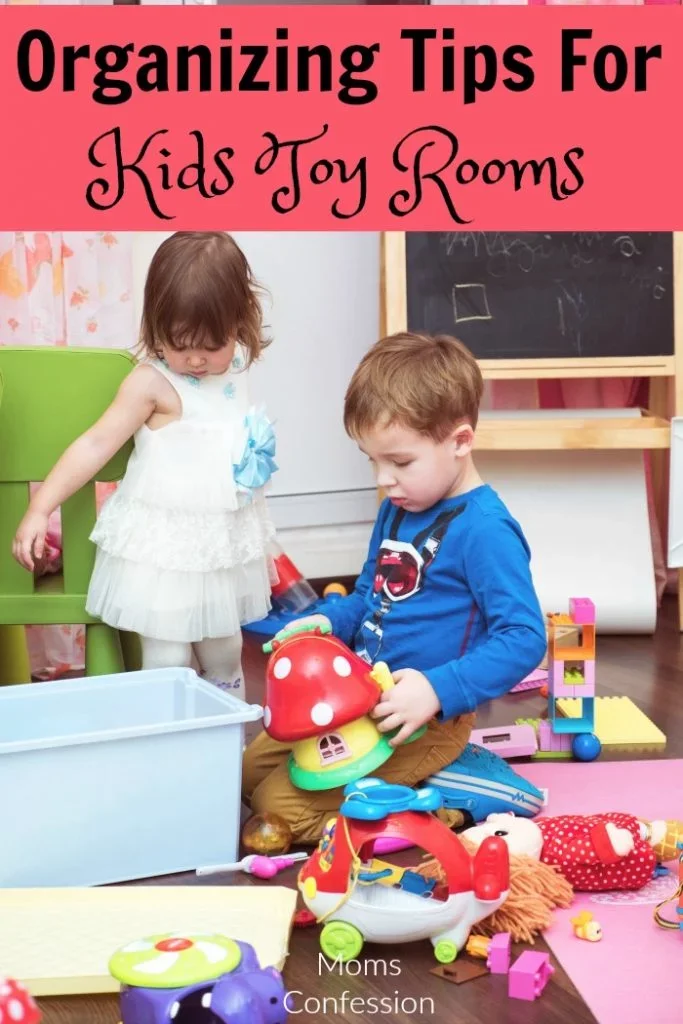
Make organizing fun by turning it into collaborative projects. Sort toys by type, color, or size, and create simple rules for what stays and what is donated or discarded. This not only reduces clutter but teaches valuable life skills such as decision-making and empathy. Participation reinforces daily habits, making clutter control a team effort rather than a parental burden.
Tools and Storage Solutions That Simplify Toy Organization
Choosing the Right Containers and Bins
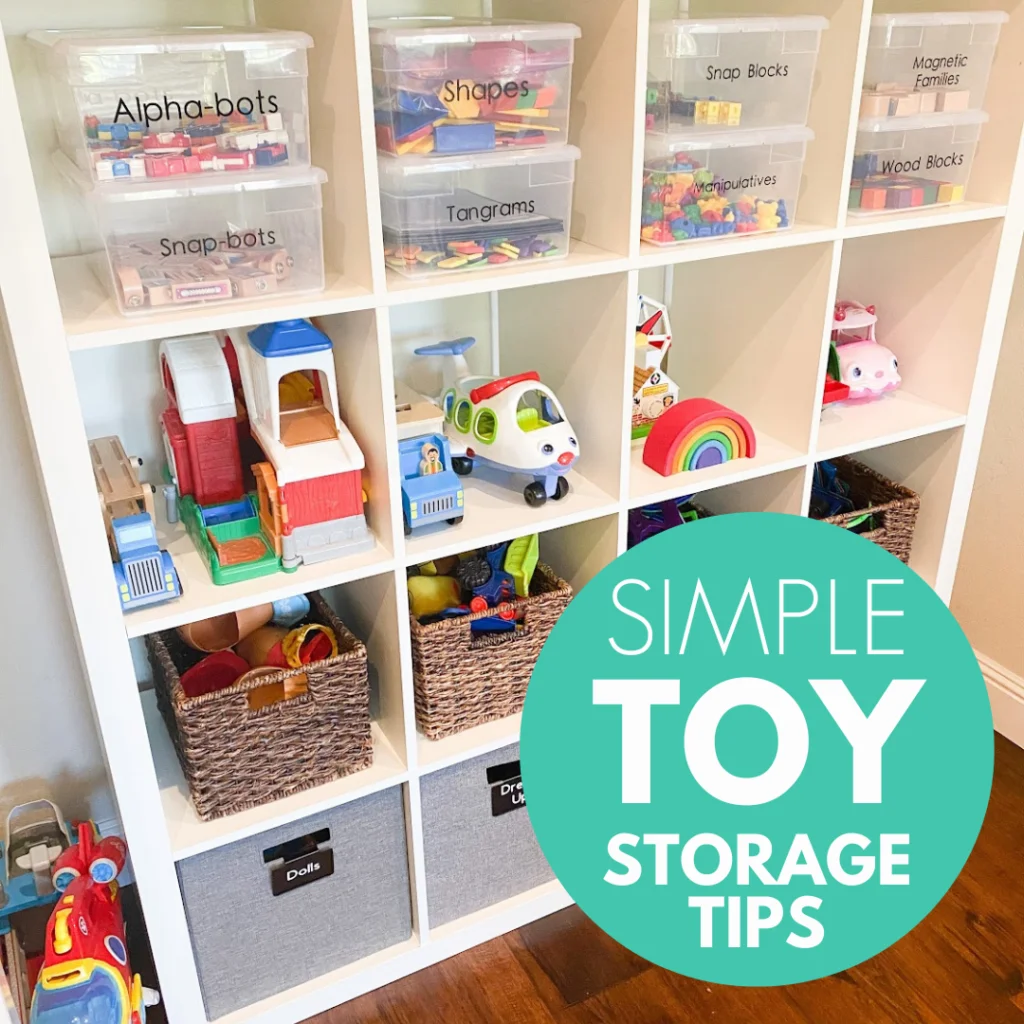
Selecting appropriate storage solutions is crucial to making tidying easier and more efficient. Look for containers that are durable, easy to open for children, and sized to fit specific toy types. Transparent bins are especially helpful because they allow quick identification of contents without opening each one.
Stackable bins maximize vertical space, which is beneficial in smaller homes or rooms. Soft fabric bins or baskets can be great for larger toys or stuffed animals. The idea is to tailor your storage choices to your family’s lifestyle and the kinds of toys you frequently use, making the cleanup process intuitive.
Labeling and Categorizing Toys for Easy Access
Labels can further simplify toy organization and encourage kids to stay organized. Use clear, simple labels with words or pictures so children can easily identify where each toy belongs. Categorizing toys by type—such as puzzles, building blocks, or art supplies—creates order and facilitates quick cleanup.
This approach reduces time spent searching for items and minimizes mixing different toy types, which often leads to bigger messes. Over time, children become accustomed to the system, which helps maintain a clutter-free environment with minimal parental intervention.
Maintaining Consistency Amidst a Busy Schedule
Setting Reminders and Time Blocks for Toy Maintenance
In busy family homes, it’s easy to overlook toy organization amid urgent priorities. Scheduling regular reminders or time blocks dedicated solely to toy maintenance can help keep clutter in check. This can be done through smartphone alerts or family calendars.
Allocating specific times, such as after dinner or before bedtime, ensures tidying doesn’t become an afterthought. Consistent scheduling reduces the chance toys will pile up over time and integrates clean-up into the family’s daily rhythm.
Encouraging Family Participation and Accountability
Consistency improves when every family member is involved and held accountable. Encourage open communication about the importance of a clutter-free environment and set expectations clearly. Sharing responsibilities fosters a cooperative atmosphere where everyone feels invested in maintaining tidiness.
Regular family check-ins to assess the state of play areas and storage systems can help address issues before they escalate. Praising effort and teamwork reinforces positive habits, making clutter management less of a challenge even during the busiest periods.
Conclusion
Preventing toy clutter in a busy family home is achievable through simple, consistent daily habits. Understanding the challenge allows families to address it strategically by establishing toy rotation systems, designated play zones, and end-of-day clean-ups. Involving children, using effective storage solutions, and maintaining consistent schedules further supports long-term organization.
By taking small, intentional steps each day, families can transform chaotic toy-filled spaces into organized, functional areas that support play and relaxation. Ultimately, the key lies in turning these habits into enjoyable routines that benefit the whole household.


