
Understanding the Basics of Balanced Kids’ Lunchboxes
Why Protein, Veggies, and Carbs Matter
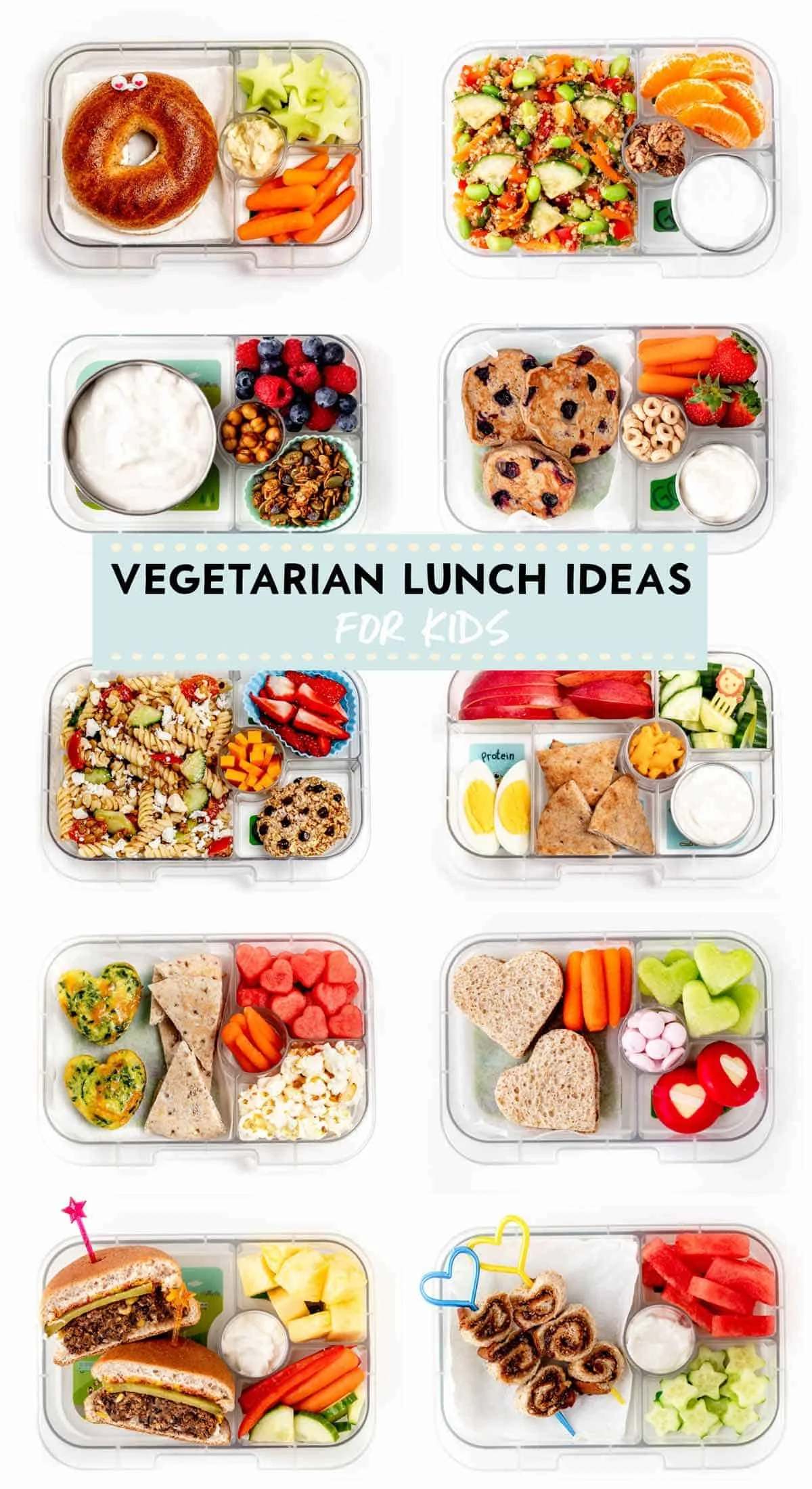
Creating a balanced lunchbox for kids involves carefully combining protein, vegetables, and carbohydrates to support their growth and energy needs throughout the school day. Proteins help build and repair tissues, veggies provide essential vitamins and minerals, and carbohydrates serve as the primary source of energy. When these components are thoughtfully included, children receive a well-rounded meal that promotes concentration, stamina, and overall health.
Daily Nutritional Needs for Growing Children
Children’s nutritional requirements vary by age, but generally, their bodies need a mix of macronutrients and micronutrients to support rapid development. Adequate protein intake supports muscle growth, veggies supply fiber for digestion, and carbs replenish energy stores after physical activity. Understanding these needs helps parents pack lunchboxes that meet daily requirements without excess sugar or unhealthy fats.
Quick and Easy Protein Options for Kids
Animal-Based Proteins: Pros and Cons
Animal proteins such as chicken, turkey, and eggs are popular lunchbox staples because they are complete proteins containing all essential amino acids. These options are usually well accepted by kids and easy to prepare in ways they enjoy, like grilled strips or boiled eggs. However, it’s important to consider potential downsides such as allergies, ethical concerns, or the need to limit processed meats to reduce added sodium and preservatives.
Plant-Based Proteins That Kids Will Enjoy
Plant-based protein sources like beans, lentils, and tofu offer healthy alternatives that can diversify a child’s diet. These options provide fiber alongside protein, promoting digestive health. Incorporating hummus or nut butters as dips or spreads is an effective way to introduce plant proteins in fun and tasty forms, making them more appealing to younger taste buds who might be hesitant about more traditional vegetarian options.
Creative Ways to Include Veggies in Lunchboxes
Raw vs. Cooked: What Kids Prefer
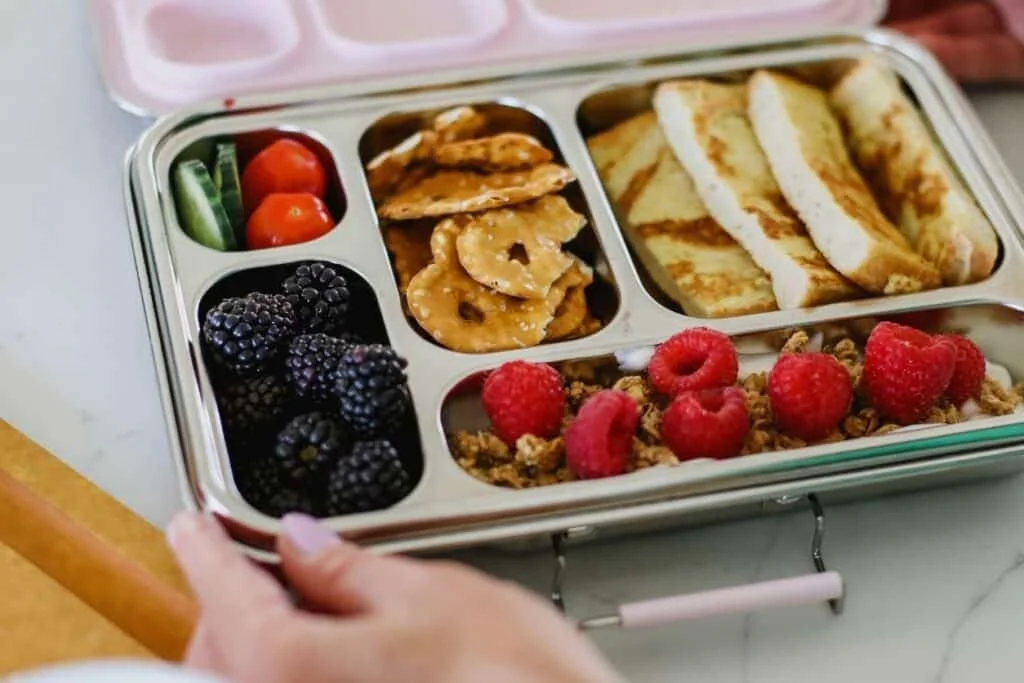
Whether to serve vegetables raw or cooked can impact a child’s willingness to eat them. Many kids enjoy the crunch and vivid colors of raw veggies like carrot sticks and bell peppers, which often require minimal preparation. On the other hand, cooked vegetables, when lightly steamed or roasted, can bring out sweetness and tenderness that appeal to other children. Experimenting with different textures and temperatures helps find what works best for each child.
Fun and Colorful Veggie Ideas to Encourage Eating
Presenting vegetables in playful shapes or in combination with dips can entice children to try new flavors. Using cookie cutters to shape cucumber or zucchini slices or creating vibrant salads with a mix of cherry tomatoes, corn, and spinach captures kids’ attention. Combining veggies with favorite foods or offering small portions alongside a dip such as yogurt or guacamole makes the experience more enjoyable and less intimidating.
Smart Carb Choices to Fuel School Days
Whole Grains vs. Refined Carbs
Choosing whole grains over refined carbohydrates ensures that kids receive more fiber, vitamins, and minerals. Whole grain bread, brown rice, and whole wheat pasta digest more slowly, providing sustained energy instead of quick spikes and crashes. In contrast, refined carbs found in white bread and many snack items can lead to rapid energy dips and cravings for sugary foods later in the day.
Simple Carb Swaps for Healthier Lunches
Replacing common refined carb options with healthier alternatives need not be complicated. Swapping white bread for whole grain wraps or opting for natural oatmeal cookies instead of sugary snacks are effective steps. Additionally, incorporating starchy vegetables like sweet potatoes or corn can offer carbs along with added nutrients, enriching the overall nutritional profile of the meal.
Sample Meal Ideas Combining Protein, Veggies, and Carbs
Wraps and Sandwiches with Balanced Ingredients
Creating wraps or sandwiches that combine lean proteins, crunchy veggies, and whole grain bread is a practical lunchbox solution. For instance, a turkey and spinach wrap with avocado spread provides protein, fiber, and healthy fats. Alternatively, hummus paired with sliced cucumbers and shredded carrots in a whole wheat pita offers plant-based protein and vibrant veggies—easy to prepare and easy to eat.
Snack Boxes: Variety and Balance in One Container
Snack boxes allow for a variety of smaller portions that collectively meet nutritional needs. A balanced box might include cheese cubes, cherry tomatoes, whole grain crackers, and apple slices. This approach encourages children to try different flavors and textures while naturally balancing protein, vitamins, and energy-boosting carbohydrates.
Warm Lunches That Travel Well
Warm meals can be just as convenient if planned carefully. Options like mini meatloaf muffins with steamed broccoli and quinoa or vegetable and cheese frittatas with sweet potato cubes can be prepared in advance and reheated. Using insulated containers helps maintain temperature and freshness, making warm, balanced meals an appealing choice even for busy parents on the go.
Planning and Packing Tips for Busy Parents
Meal Prep Strategies to Save Time
Efficient meal preparation can reduce daily stress. Preparing proteins like grilled chicken or boiled eggs in bulk ahead of time allows for quick assembly during the week. Washing and chopping vegetables in advance, or pre-portioning snacks, saves time in busy mornings. Keeping a lunchbox checklist or rotating through a set of tried-and-true meal combinations can also streamline the process.
Keeping Foods Fresh and Safe Until Lunch
Maintaining food safety and freshness is crucial, especially when packing perishable items. Using ice packs or insulated lunch bags keeps foods at the right temperature and prevents spoilage. Parents should also pack items separately if possible to avoid sogginess, and check for any school policies regarding allergens to ensure the lunchbox is safe for their child and classmates.
Encouraging Kids to Develop Healthy Eating Habits
Involving Children in Lunchbox Choices
Children are more likely to enjoy and eat their lunches if they participate in meal planning. Letting kids choose between a few balanced options empowers them and builds positive associations with healthy foods. Simple cooking activities, like assembling their own wraps or choosing vegetable dips, can increase enthusiasm for nutritious lunches.
Turning Mealtime into a Fun Learning Experience
Mealtime is an opportunity to teach about nutrition and healthy habits. Parents can talk about the benefits of proteins, veggies, and carbs in a casual and engaging way. Using storytelling, colorful charts, or interactive games can make nutrition concepts relatable and memorable, encouraging lifelong appreciation for balanced eating.


