
Understanding Mindfulness and Its Benefits for Busy People
What Is Mindfulness?
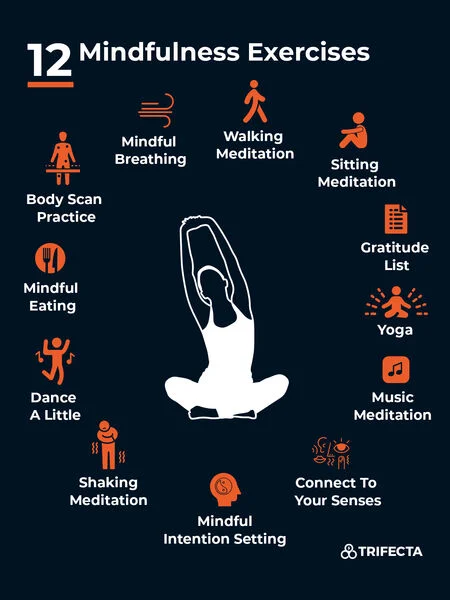
Many busy individuals struggle to maintain focus due to constant distractions and mounting stress. The root of this problem often lies in a fragmented attention span and an overactive mind. Mindfulness offers a practical solution by encouraging present-moment awareness and non-judgmental observation of thoughts and feelings. Essentially, mindfulness is the practice of intentionally paying attention to the here and now, helping people reconnect with their immediate experience rather than being lost in worries or distractions.
How Mindfulness Enhances Daily Focus
The challenge of staying focused during a hectic day stems from mental overload and fragmented concentration. Mindfulness counters this by training the brain to notice when attention strays and gently guide it back to the task at hand. This process improves cognitive control and reduces impulsive reactions to distractions. When practiced regularly, mindfulness helps busy people sharpen their awareness, leading to enhanced productivity and clearer thinking even in stressful environments.
Scientific Evidence Supporting Mindfulness
Many studies have confirmed that mindfulness practice can improve attention and reduce stress. For example, research published in various psychological journals shows that just a few minutes of focused breathing or mindful awareness can increase activity in brain regions responsible for executive function and emotional regulation. This makes mindfulness not only a feel-good exercise but also a scientifically backed method for improving mental clarity and resilience in demanding situations.
Quick and Simple Mindfulness Techniques to Practice Anytime
Mindful Breathing Exercises
A common obstacle for busy individuals is feeling overwhelmed by fast-paced thoughts. Mindful breathing offers a straightforward way to counter this by shifting attention to the natural rhythm of the breath. The cause of distraction often lies in racing thoughts, but by focusing solely on slow inhales and exhales, the mind gradually calms. This technique requires no special equipment and can be done anywhere, making it a perfect tool to restore focus whenever needed.
Body Scan Method for Instant Relaxation
Stress often manifests physically, causing tension that further disrupts concentration. The body scan method helps identify and release this unconscious tension by directing attention sequentially to different body parts. When busy people neglect bodily sensations, stress and discomfort accumulate unnoticed. The solution is to take a few moments to mentally scan from head to toe, noticing areas of tightness or discomfort and consciously relaxing them. This deepens the mind-body connection and promotes an immediate sense of calm.
Five Senses Grounding Technique
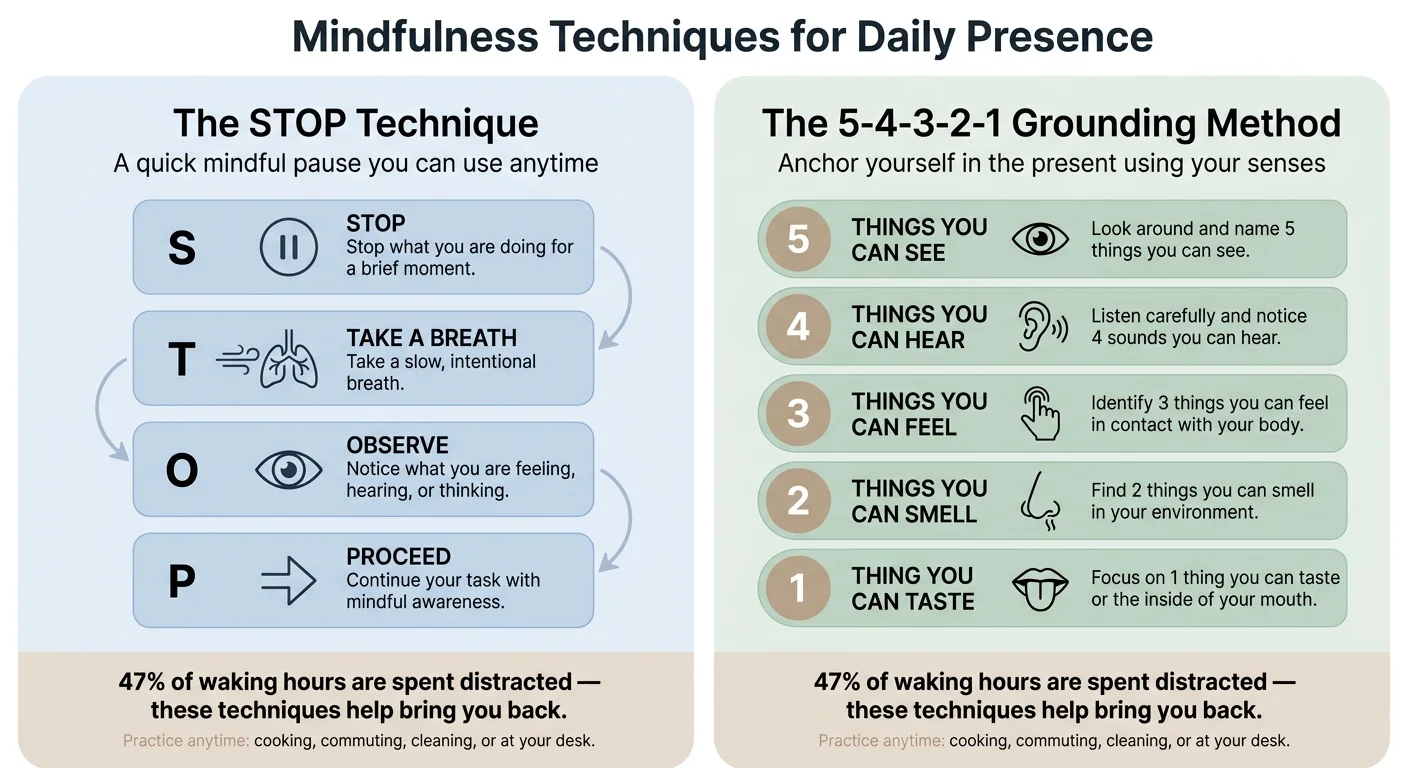
Distraction frequently occurs when the mind drifts into worry or multitasking mode. The five senses grounding technique brings awareness back by having individuals focus sequentially on what they see, hear, feel, smell, and taste. This sensory reset breaks the cycle of mental chaos by anchoring attention to the present environment. Busy people can use this simple technique during stressful moments to re-center and regain composure almost instantly.
Incorporating Mindfulness Into a Hectic Daily Routine
Mindful Morning Rituals to Start the Day Focused
Many busy individuals rush through mornings, setting a frantic tone for the rest of the day. This problem arises from a lack of intentional start, which causes scattered attention right from the outset. Incorporating even a brief mindfulness ritual in the morning—such as five minutes of focused breathing or gratitude reflection—can establish a calm foundation. This small practice can transform a rushed morning into a focused and balanced beginning.
The Power of Short Breaks for Mindful Reset
Throughout a busy day, attention tends to wane as mental fatigue accumulates. The cause of reduced productivity is often continuous work without breaks, which overwhelms cognitive resources. Integrating short mindful breaks can help reset focus efficiently. These breaks may involve simply closing the eyes and taking three mindful breaths or stretching while fully aware of bodily sensations. Such quick resets prevent burnout and refresh mental clarity, allowing for sustained focus later.
Mindfulness While Commuting or Multitasking
Commuting and multitasking are common stress points that often increase distraction levels. The problem here is that these activities tend to be done on autopilot, reducing awareness and increasing stress. Applying mindfulness during these times means deliberately paying attention to simple elements, like the sensation of walking or the sounds around during a commute. When multitasking, slowing down to fully engage with one task at a time also enhances focus. This approach turns potentially chaotic moments into opportunities for mindful presence.
Tools and Resources to Support Your Mindfulness Practice
Mobile Apps for Guided Mindfulness
One challenge for busy people is maintaining consistent mindfulness habits. Distractions and forgetfulness can sabotage even the best intentions. Mobile apps offering guided meditations and reminders serve as practical solutions to keep practice regular and structured. These apps provide short, accessible sessions tailored for tight schedules, helping users maintain momentum and stay motivated in their mindfulness journey.
Books and Podcasts for Busy Individuals
Finding reliable mindfulness content amidst endless options can be overwhelming. The underlying issue is choosing resources that fit into a busy lifestyle without adding complexity. Books and podcasts designed specifically for busy individuals offer targeted advice and inspiration in digestible formats. They allow learners to engage with mindfulness concepts during commutes or short breaks, making it easier to integrate mindful awareness into daily life without extra time demand.
Overcoming Common Challenges in Mindfulness Practice
Dealing with a Busy Mind
One of the most frequent difficulties is the restless mind that refuses to settle. Many people mistakenly believe mindfulness requires a completely quiet mind, which can lead to frustration and giving up. The root cause here is misunderstanding mindfulness as mental blankness rather than presence. The solution is to shift perspective and accept that thoughts will arise naturally; the key is to observe them without engagement or judgment. This mindset can transform frustration into curiosity and patience.
Finding Time Amidst a Packed Schedule
Another significant barrier is the feeling of having no time to practice mindfulness in an already full calendar. The cause often lies in viewing mindfulness as an additional task rather than a way to enhance existing moments. A practical approach is to integrate micro-practices into everyday activities—even a few seconds of focused breathing before meetings or eating mindfully during lunch can be effective. This reframing helps busy individuals reap mindfulness benefits without needing large time commitments.


