
Introduction to Family Birdwatching
Why Birdwatching is a Great Family Activity
Birdwatching offers a unique opportunity for families to connect with nature and each other. It encourages curiosity and patience while allowing everyone, regardless of age, to learn about the diverse world of birds. This activity is accessible and inexpensive, requiring minimal gear and easy access to many outdoor locations. It also fosters a sense of environmental stewardship and appreciation for wildlife, making it both enjoyable and educational.

Understanding the Basics of Wildlife Exploration
Wildlife exploration is about observing animals in their natural habitats, promoting respect and mindfulness. For families new to this experience, the key is to approach it gently and patiently. Learning to watch quietly, avoid sudden movements, and appreciate the subtle signs of bird presence lays a strong foundation. Recognizing that every birdwatching outing may bring different surprises encourages ongoing engagement and discovery.
Getting Started: Essential Gear for Beginners
Choosing the Right Binoculars for Kids and Adults
Selecting binoculars appropriate for all family members enhances the enjoyment of birdwatching. For children, lighter and smaller models with a simple focus mechanism are ideal, ensuring they can comfortably handle and use them. Adults might prefer binoculars with a bit more magnification and better clarity. It’s important to try a few pairs to find what fits well and offers a comfortable viewing experience, which makes spotting birds much easier.
Helpful Tools: Field Guides and Bird Identification Apps
Having a reliable field guide tailored to your region helps families identify birds by sight and behavior. These guides often include illustrations, descriptions, and notes on bird calls. Additionally, bird identification apps can be invaluable, providing instant access to photos, sounds, and location-based information. Using these digital tools together keeps the experience interactive and accessible, especially for tech-savvy children.
Where to Go Birdwatching as a Family
Best Local Parks and Nature Reserves for Birding
Choosing the right location greatly influences the success and enjoyment of birdwatching. Many local parks and nature reserves offer rich bird habitats and well-maintained trails suitable for families. Visiting a nearby lake, forest preserve, or open field can introduce a variety of bird species. Checking with local wildlife organizations or community centers can provide recommendations tailored to your area and season.
Creating a Comfortable and Safe Outdoor Experience
Ensuring comfort and safety helps families stay focused and relaxed during birdwatching. Wearing weather-appropriate clothing, bringing water and snacks, and applying insect repellent are simple steps that prevent discomfort. Setting clear boundaries and supervising young children carefully allow everyone to enjoy the experience safely. Planning shorter excursions initially also helps build stamina and enthusiasm for longer adventures in the future.
Simple Techniques to Spot and Identify Birds
Listening to Bird Calls: What to Listen For
Bird calls are often the first clues to their presence. Learning to recognize common calls helps families locate birds even when they are hidden by foliage. By paying attention to pitch, rhythm, and repetition, listeners can distinguish between species. Several apps and online resources offer audio samples, allowing families to practice before heading outdoors, making bird calls an exciting part of exploration.
How to Use Field Marks to Identify Common Birds
Field marks refer to distinctive patterns, colors, and shapes that help identify birds reliably. Families can focus on features like wing bars, beak shapes, and tail patterns to differentiate species. Observing behavior, such as feeding habits or flight style, further aids identification. Encouraging children to share what they notice fosters teamwork and sharpens observation skills, enhancing the experience.
Making Birdwatching Fun and Educational for Kids
Interactive Games and Activities During Birdwatching
Turning birdwatching into a game can keep children engaged and excited. Simple activities like “bird bingo,” where kids check off birds they spot, or sound matching games using recorded calls, make learning playful. Families might also create scavenger hunts to find specific birds or features, nurturing observation and memory. These interactive strategies deepen understanding while encouraging repeated outings.
Keeping a Family Birdwatching Journal
Maintaining a journal to record sightings, sketches, and notes provides a creative outlet and tracks progress over time. Journals can include dates, locations, weather conditions, and behaviors observed. Involving kids in journaling reinforces learning and creates lasting memories. Reviewing past entries before new trips also helps identify patterns and sets exciting goals for future birdwatching adventures.
Tips for Respectful Wildlife Observation and Conservation
Understanding Bird Behavior and Habitat Needs
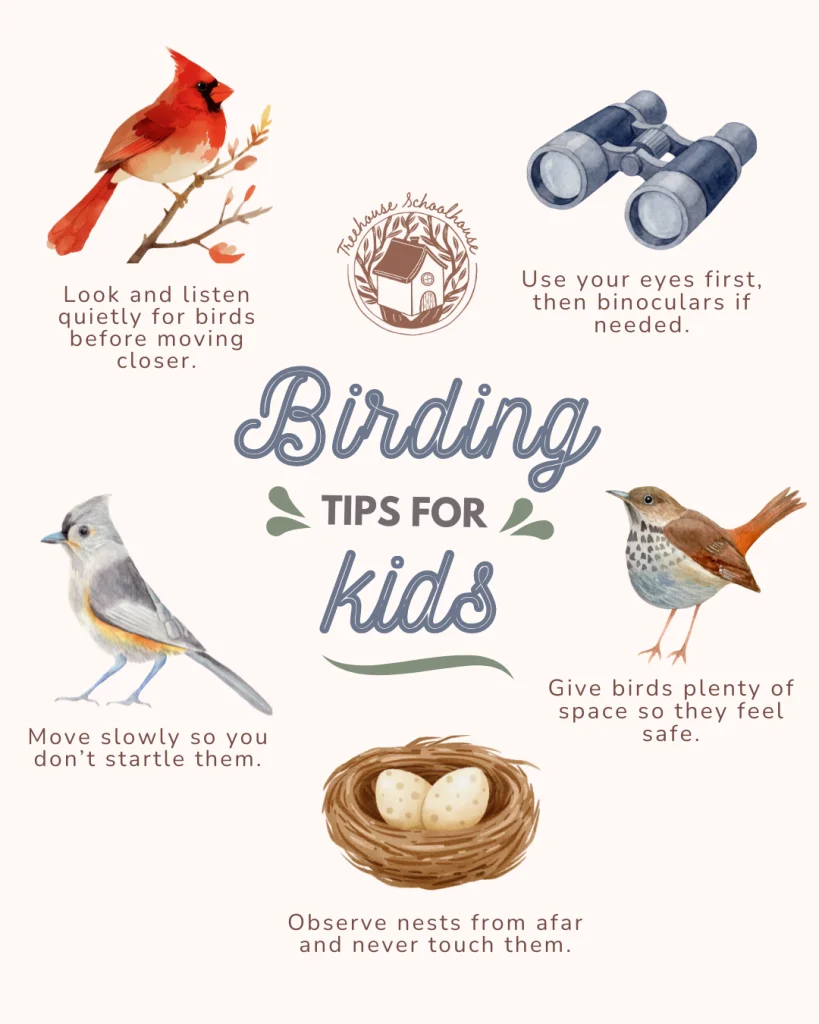
Respecting birds involves recognizing their natural behaviors and habitat requirements. Families should keep a respectful distance to avoid causing stress or disruption. Learning about seasonal changes, nesting periods, and feeding habits allows observers to anticipate bird activities without interference. This awareness contributes not only to better sightings but also supports bird welfare.
How Families Can Help Protect Local Bird Populations
Families can play an active role in bird conservation by supporting local efforts such as habitat restoration or citizen science projects. Simple actions like maintaining bird-friendly gardens, reducing pesticide use, and properly disposing of waste contribute to healthier environments for birds. Teaching children about the importance of conservation inspires lifelong respect and proactive stewardship of nature.


