
Understanding Cognitive Overload in Workspaces
Cognitive overload occurs when our brain is bombarded with too much information or stimuli, making it difficult to concentrate and process tasks efficiently. In a workspace, this can manifest as frustration, decreased productivity, or feeling mentally exhausted by midday. The environment around us plays a critical role in either exacerbating or alleviating this mental strain. When a workspace is cluttered or chaotic, it demands more attention than necessary, pulling focus away from actual work objectives.
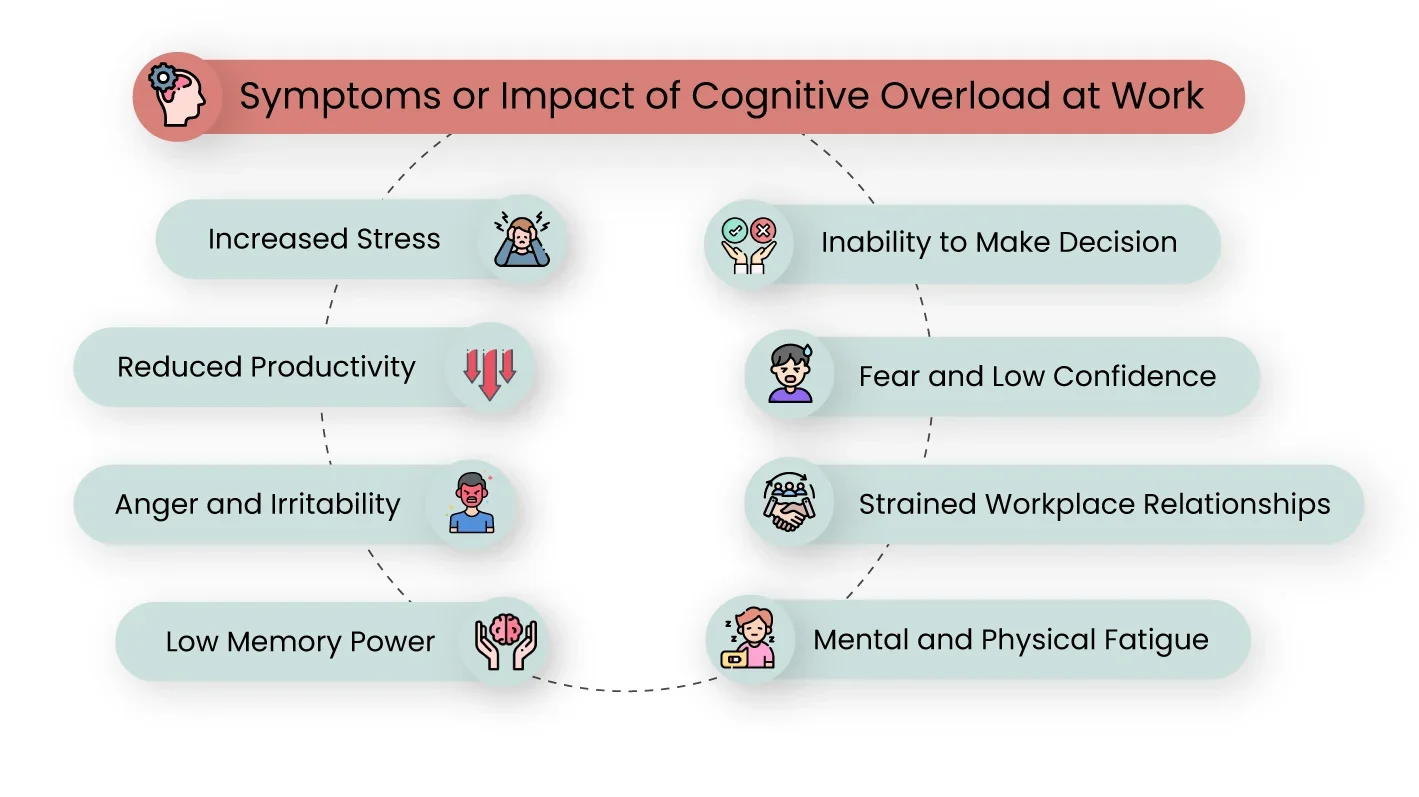
Recognizing cognitive overload is the first step to addressing it. Signs may include frequent distraction, trouble prioritizing tasks, or even physical symptoms like headaches. By understanding how our surroundings influence mental processes, we can begin to implement organization strategies that reduce unnecessary mental effort and create smoother workflows.
The Role of Workspace Organization in Enhancing Focus
How Clutter Impacts Brain Function
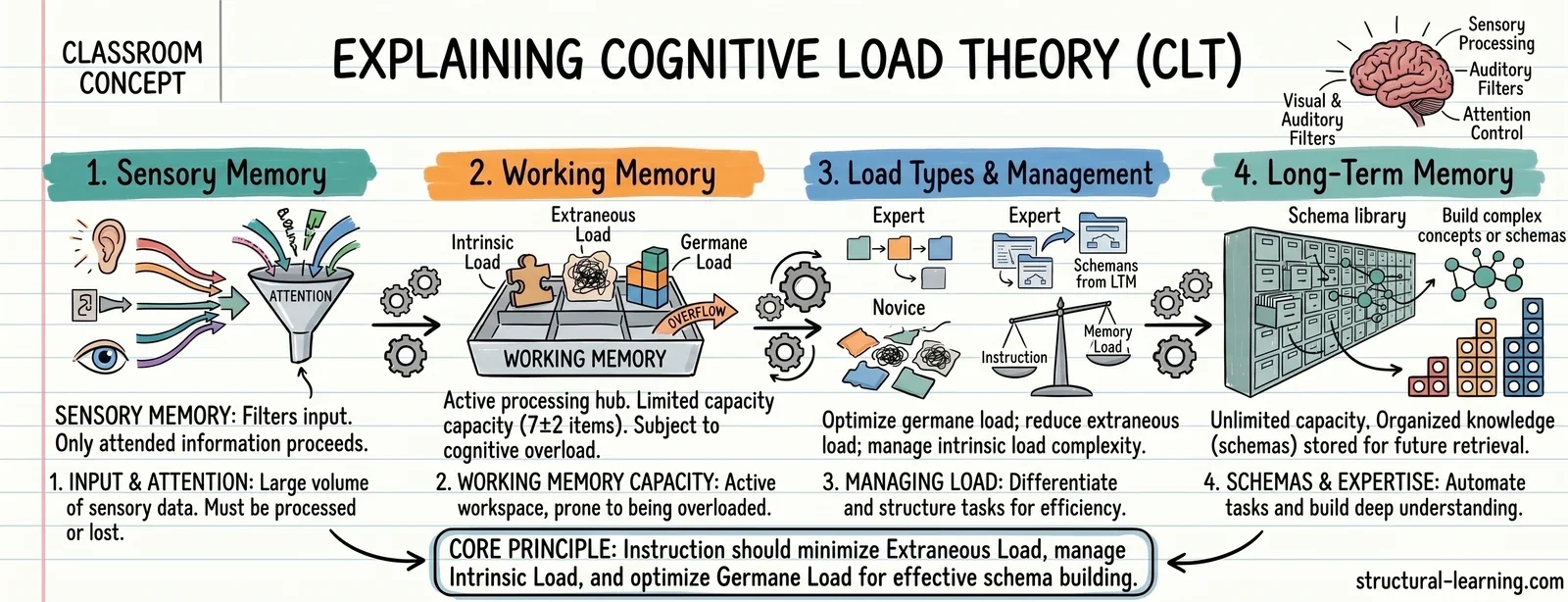
Clutter not only occupies physical space but also consumes mental bandwidth. Our brains are wired to notice disorder, which can trigger stress responses. When a desk is piled with papers, gadgets, or random items, the brain continually attempts to make sense of the chaos. This constant low-level alertness drains cognitive resources that could otherwise be devoted to focused work or creative thinking.
Moreover, clutter increases decision fatigue as the brain wrestles with what to address first, where to find needed items, or how to ignore irrelevant stimuli. This results in slowed task completion and decreased overall efficiency.
The Science Behind Visual Simplicity and Productivity
Studies in environmental psychology reveal that a simple, visually clean workspace promotes better concentration and mental clarity. Visual simplicity reduces sensory overload, allowing the brain to concentrate on core tasks with less distraction. Minimalist environments help maintain a calm and focused mindset that is conducive to higher productivity levels.
When objects and information are orderly and easy to access, the brain experiences a sense of control, which reduces stress and frees up cognitive energy. This clarity supports sustained attention and better problem-solving abilities.
Easy-to-Implement Workspace Organization Habits
Daily Decluttering Rituals
One of the most effective habits is dedicating a few minutes each day to tidying your workspace. This could be as simple as clearing away unnecessary papers, putting away items not immediately needed, or wiping down surfaces. The key is consistency, which prevents clutter from accumulating and becoming overwhelming.
Implement this ritual at the beginning or end of your workday to create a fresh environment every time you sit down to work. Over time, it becomes a natural part of your routine, making your workspace a place that supports focus effortlessly.
Smart Use of Desk Accessories
Using functional desk organizers such as trays, pen holders, and cable management tools helps keep frequently used items within reach yet neatly arranged. Prioritize accessories that complement your workflow without adding visual noise. For example, a sleek document tray can keep important papers orderly, while a simple charging station can reduce tangled cords.
Avoid accumulating unnecessary gadgets or decorative items that don’t serve a clear purpose, since they can add to cognitive clutter rather than reduce it.
Efficient Digital Workspace Management
In today’s work environment, digital clutter can be just as distracting as physical mess. Organize your computer desktop by grouping files into clearly named folders and deleting those no longer needed. Limit the number of browser tabs open simultaneously to avoid overwhelming your attention.
Utilize digital tools such as task managers or calendar apps to keep your work organized and deadlines visible. Periodically review and clean your email inbox to prevent it from becoming a source of stress and distraction.
Designing Your Workspace for Maximum Mental Clarity
Choosing the Right Furniture and Layout
Furniture and layout choices greatly influence how your brain interacts with the space. Opt for an ergonomic chair and desk height that support comfort during long work sessions, reducing physical discomfort that can impair focus. Position your desk to face a wall or window, limiting distractions while maximizing natural light.
Ensure there is enough surface area for essential items without overcrowding. A well-considered layout enables smooth movement and access to tools without unnecessary interruptions to workflow, fostering a sense of order and calm.
Lighting and Color Choices That Promote Focus
Lighting affects mood and alertness significantly. Natural light is ideal, as it boosts energy and reduces eyestrain. When natural light isn’t available, choose bright but soft artificial lighting that mimics daylight to maintain wakefulness without glare.
Color schemes also impact mental clarity. Neutral tones combined with subtle pops of calming colors like blue or green create a soothing environment that encourages concentration. Avoid overly bright or chaotic color patterns that may contribute to sensory overload.
Maintaining Organizational Habits: Tips and Tricks
Accountability Systems for Consistency
Establishing organizational habits can be challenging without accountability. Share your goals for workspace organization with a colleague or friend who can check in on your progress. Alternatively, use reminders or habit-tracking apps to monitor daily or weekly decluttering activities.
Regularly revisiting your goals and reflecting on improvements helps sustain motivation, preventing you from slipping back into disorder. Accountability transforms organization from a chore into a consistent, manageable practice.
Incorporating Breaks and Mindfulness into Your Routine
Even the most organized workspace cannot compensate for mental fatigue if you do not care for your cognitive health. Building short breaks into your schedule allows your brain to rest and recharge. Pair these breaks with mindfulness techniques, such as deep breathing or simple meditation, to reduce stress and clear mental clutter.
When combined with an organized environment, these practices significantly enhance your ability to focus and reduce the sensation of cognitive overload throughout the workday.
Conclusion
Simple workspace organization habits are essential tools for anyone looking to boost focus and minimize cognitive overload. By understanding how clutter impacts brain function and applying straightforward organizational strategies, you create an environment that supports mental clarity and productivity. Regular decluttering, smart use of accessories, and conscious digital management form the backbone of a well-organized workspace.
Thoughtful choices in furniture, lighting, and colors further enhance your ability to concentrate without feeling overwhelmed. Finally, maintaining these habits through accountability and mindful breaks ensures lasting benefits. Embracing these steps leads not only to a tidier desk but also to a more focused and fulfilling work experience.


