
Introduction to Affordable Weekly Meal Prep
Starting a healthy eating journey can feel overwhelming, especially when balancing a tight budget. For many new healthy eaters, the idea of preparing nutritious meals every day seems time-consuming and expensive. However, affordable weekly meal prep breaks down this challenge into manageable steps, helping you take control of your nutrition without overspending.
Why Meal Prep Matters for New Healthy Eaters
Take Sarah, for example, a busy college student who struggled to maintain a balanced diet amidst her hectic schedule. She often resorted to fast food, feeling both unhealthy and guilty. When Sarah began meal prepping once a week, she noticed a significant improvement—not only in her energy levels but also in her grocery budget. Meal prep empowers you to make mindful choices, avoid last-minute unhealthy options, and reduce stress around mealtime.
Cost Benefits of Planning Your Meals Weekly
Planning meals in advance unlocks several financial advantages. Consider Tom, a freelance graphic designer, who used to shop daily and frequently bought impulse snacks. By listing meals and ingredients for the whole week, Tom minimized waste, purchased bulk items, and capitalized on sales. Weekly planning helped him save roughly 30% on his food expenses, demonstrating that healthy eating doesn’t have to be expensive when approached thoughtfully.
Essential Tools and Supplies to Get Started
Budget-Friendly Kitchen Gadgets
When Emma started prepping her meals, she didn’t invest in expensive equipment. Instead, she focused on affordable, multi-purpose tools like a sharp chef’s knife, a cutting board, and a rice cooker. These gadgets simplified cooking and sped up the process. A slow cooker or Instant Pot can also be valuable but are not essential at the beginning. Using what you already own or buying inexpensive basics keeps the meal prep process accessible.
Must-Have Storage Containers for Meal Prep
Having the right containers made a huge difference for Raj. He chose reusable glass or BPA-free plastic containers with compartments to keep meals fresh and separated. These containers are stackable, which optimizes fridge space, and some are microwave-safe, easing reheating. Investing gradually in a set rather than buying many at once can help new meal preppers manage costs.
Planning Your Meals: Strategies That Save Money
How to Create a Weekly Menu
To design a workable weekly menu, start by reviewing what’s already in your pantry and fridge, like Diana did. She matched recipes to her ingredients to avoid buying in excess. Planning meals around similar ingredients, such as using spinach in both salads and smoothies, reduces waste and saves money. Incorporating simple, versatile meals like stir-fries or grain bowls also ensures nutrients and variety without complexity.
Shopping List Hacks for Affordability
Before heading to the store, James learned to prioritize staple items that are nutritious and cost-effective, like beans, rice, and frozen vegetables. He also used apps to compare prices and find discounts. Shopping in bulk for non-perishable goods or visiting local markets near closing time for deals on fresh produce helped him stretch his budget. Avoiding purchases when hungry minimized impulse buys and kept spending on track.
Step-by-Step Weekly Meal Prep Process
Day-by-Day Breakdown to Stay Organized
Lucy organized her week by dedicating Sunday afternoon to meal prep. She began by washing and chopping vegetables, then batch cooking grains and proteins. On Monday and Wednesday evenings, she assembled quick salads or wraps using prepped ingredients. This routine prevented burnout and allowed her to enjoy fresh meals daily without starting from scratch.
Batch Cooking Techniques for Beginners
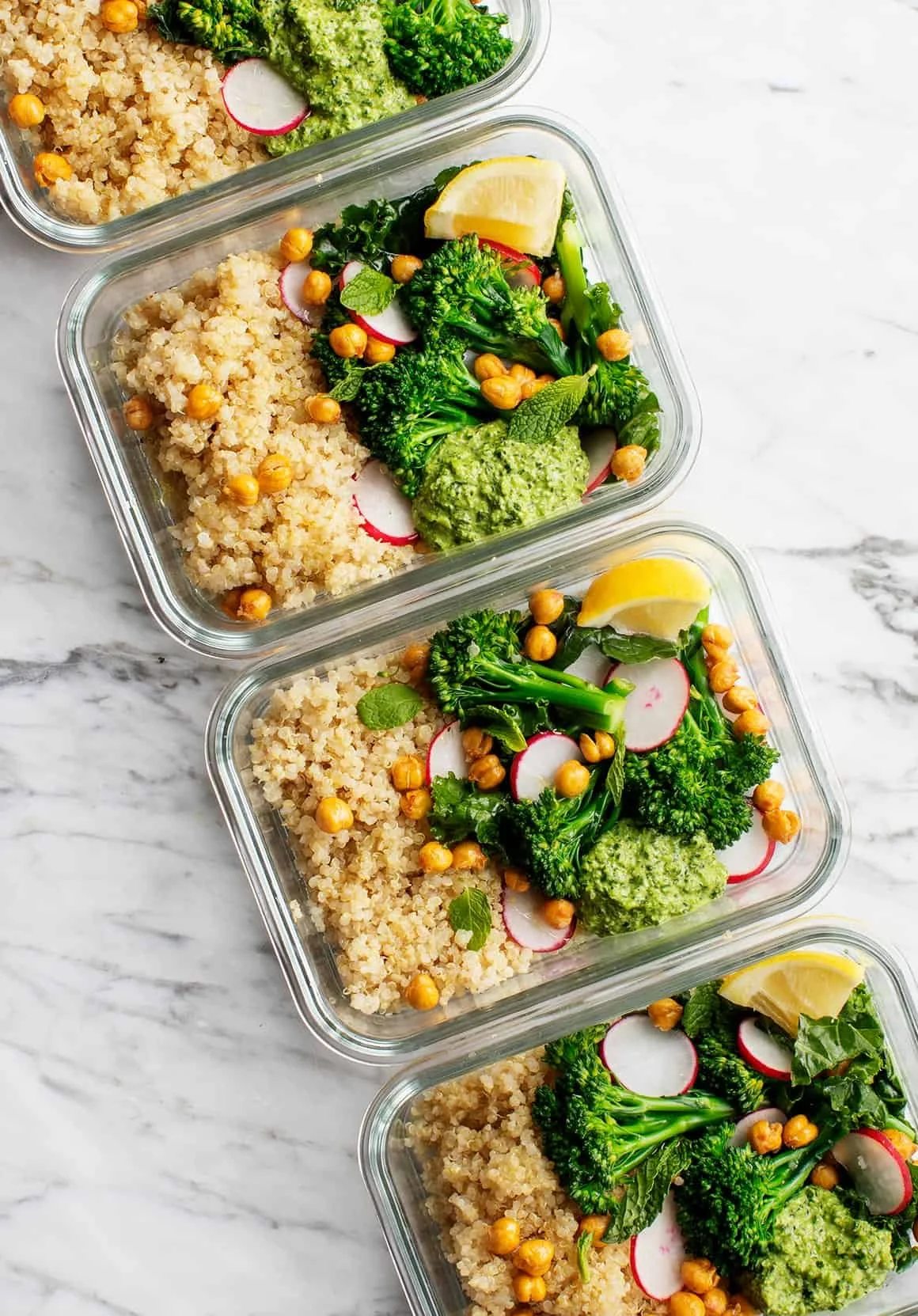
Batch cooking might seem daunting at first, but it’s manageable by starting small. Mike experimented with cooking large batches of soups and stews that could be portioned out and frozen. He also prepared versatile bases like quinoa or roasted veggies to mix and match throughout the week. Over time, he refined his approach to include favorite dishes, saving both time and money consistently.
Choosing Nutritious and Budget-Friendly Ingredients
Seasonal Produce for Cost Savings
Eating seasonally is a game changer for affordability and freshness. When Linda bought summer fruits like berries and stone fruits, she noticed lower prices and better taste compared to off-season imports. Local farmers’ markets often reflect seasonal availability, offering fresh options that cost less than supermarket staples. By embracing seasonal produce, you can enjoy variety and nutrition year-round without overspending.
Protein Options That Won’t Break the Bank
Protein might seem costly, but there are many budget-friendly options. Carlos incorporated affordable staples like eggs, canned beans, lentils, and frozen chicken thighs into his meals. These options provide essential nutrients without the price tag of premium cuts or specialty products. Plant-based proteins, such as chickpeas or tofu, can also enrich meals economically while offering good variety.
Tips for Storing and Reheating Meals
Food Safety and Freshness Preservation
Proper storage is key to enjoying meal-prepped dishes safely. Hannah always cooled cooked meals before sealing containers and storing them promptly in the refrigerator or freezer. Labeling each container with the date helped her track freshness and rotate meals efficiently. Keeping your fridge organized and clean also reduces spoilage and waste, ensuring your efforts pay off.
Quick Reheat Methods to Save Time
Reheating prepared meals doesn’t have to be complicated. Josh found that microwaving meals with a small vent in the lid preserved moisture and flavor. For crispier textures, reheating items like roasted vegetables on a stovetop or in an oven worked well. Having simple reheat routines made it easier for him to enjoy meals without sacrificing taste or wasting time.
Adapting Meal Prep to Different Dietary Needs
Low-Carb, Vegetarian, and Gluten-Free Options
When Kelly shifted to a vegetarian diet, she adapted her meal prep by focusing on plant-based proteins and incorporating gluten-free grains like quinoa. For friends following low-carb lifestyles, substituting rice with cauliflower rice or using lettuce wraps instead of bread offered satisfying alternatives. Meal prep’s flexibility allows you to tailor recipes to your preferences and dietary goals without extra hassle.
Simple Substitutions for Variety and Health
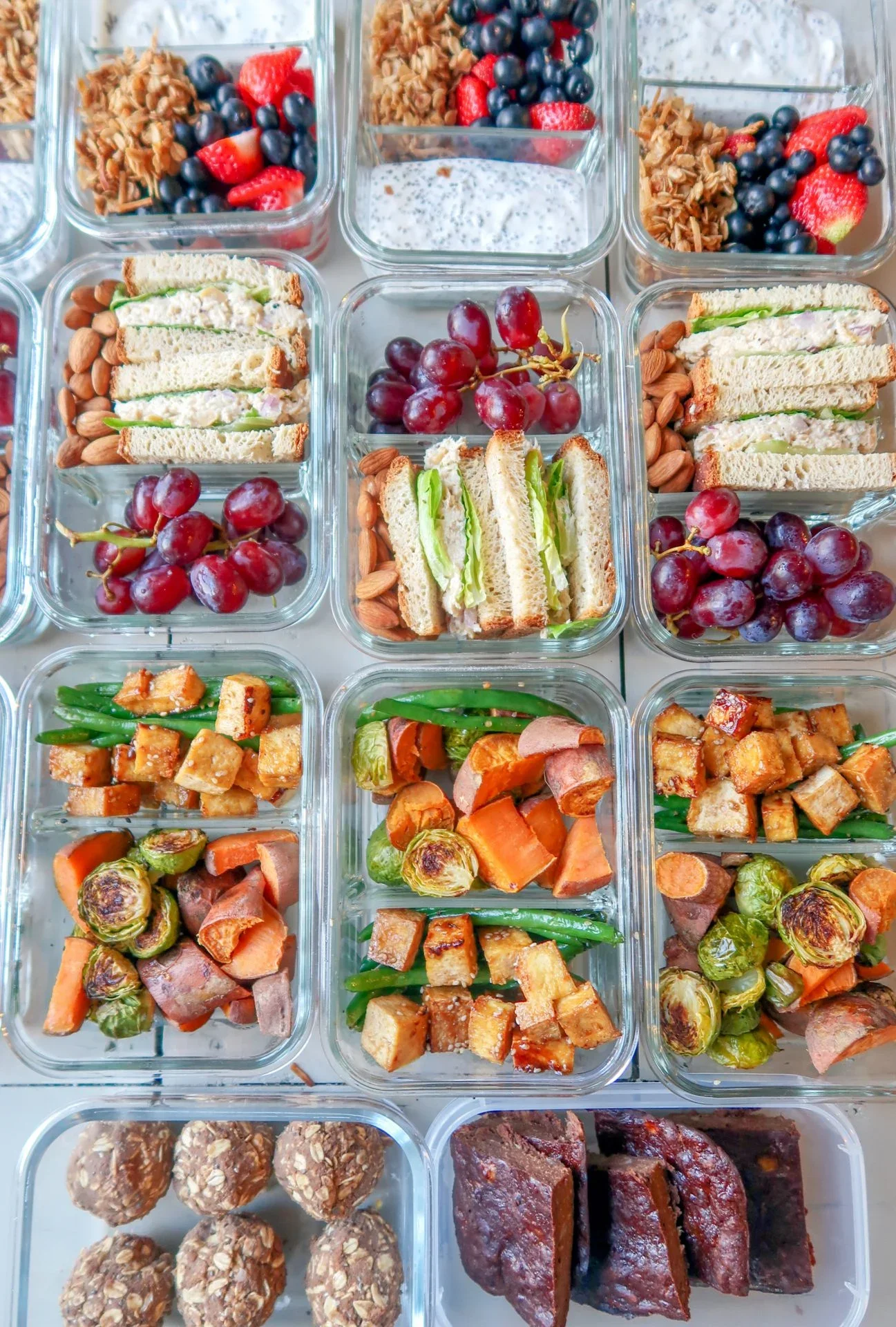
Experimenting with substitutions enhances both nutrition and interest. For example, Sam replaced traditional pasta with whole wheat or chickpea pasta to boost fiber and protein. When fresh herbs were expensive, she opted for dried versions, balancing cost and flavor. Even small changes can diversify meals, making healthy eating enjoyable and sustainable over time.
Common Challenges and How to Overcome Them
Staying Motivated as a New Healthy Eater
Maria struggled initially with sticking to her meal prep routine. She found motivation by setting small, achievable goals and rewarding herself with new kitchen tools after a month of consistency. Joining online communities provided her with recipe ideas and encouragement, keeping the process fun rather than a chore. Finding what motivates you personally can make a big difference in maintaining healthy habits.
Handling Unexpected Schedule Changes
Life is unpredictable, as John learned when his work hours suddenly increased. He adapted by preparing freezer-friendly meals that could be quickly reheated on busy days. Having backup options gave him peace of mind and prevented reliance on fast food. Flexibility in meal prep plans ensures that healthy eating remains feasible, even when plans shift unexpectedly.


