
Introduction to Batch Cooking
What is Batch Cooking?
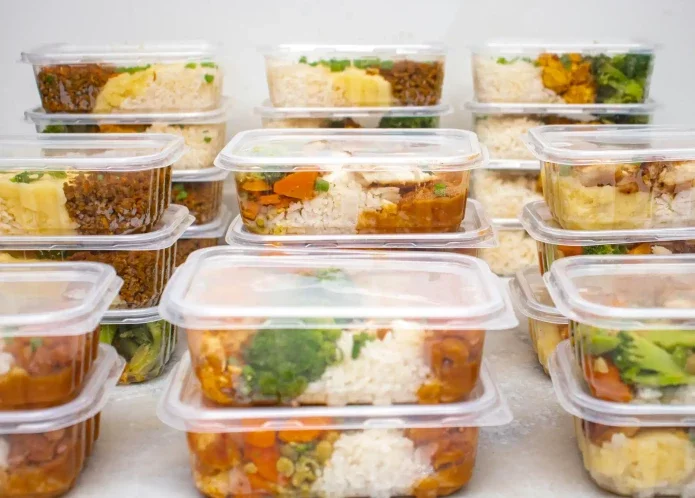
Batch cooking is the practice of preparing large quantities of meals or meal components in one dedicated session. Instead of cooking each meal from scratch daily, you spend a few hours cooking multiple meals that can be stored and eaten over several days. This method streamlines the cooking process, reduces daily hassle, and ensures that you have nutritious food ready to go during busy times.
Benefits of Batch Cooking Nutritious Meals
Batch cooking nutritious meals offers several advantages. Firstly, it saves time by minimizing repetitive cooking efforts throughout the week. It also reduces food waste as you plan and use ingredients efficiently. Additionally, having meals prepared in advance encourages healthier eating habits since you control ingredients and portions, avoiding last-minute unhealthy choices. For beginners, it’s an empowering way to gain confidence in the kitchen while managing food costs effectively.
Planning Your Batch Cooking Journey
Setting Realistic Goals for Beginners
Starting batch cooking can feel overwhelming if you aim too high without experience. Setting achievable goals is crucial. For instance, begin by preparing meals for two to three days instead of the entire week. Focus on one or two recipes to master the process before expanding. Realistic goals help sustain motivation and prevent burnout, making the batch cooking routine easier to integrate into your lifestyle gradually.
Choosing Budget-Friendly Ingredients
Choosing ingredients that are both nutritious and economical is key to successful batch cooking. Staples like beans, lentils, rice, pasta, seasonal vegetables, and frozen produce offer excellent value. These foods provide essential nutrients such as protein, fiber, and vitamins without breaking the bank. Planning meals around such ingredients enables you to maintain a healthy diet while sticking to a budget.
Essential Tools and Equipment
Having the right tools makes batch cooking manageable and efficient. Invest in basic kitchen essentials like sturdy knives, cutting boards, large pots and pans, and measuring cups. Storage containers, preferably microwave and freezer safe, are vital for storing meals. Additionally, kitchen gadgets such as slow cookers or instant pots can simplify cooking processes for beginners and save time during large-scale meal preparation.
Step 1: Selecting Nutritious Recipes
Key Nutrients to Focus On
When selecting recipes, prioritize meals that provide balanced nutrition. Look for dishes rich in lean proteins, complex carbohydrates, healthy fats, and fiber. Proteins can come from sources like chicken, beans, tofu, or fish. Whole grains such as brown rice or quinoa offer sustained energy. Incorporate a variety of colorful vegetables to ensure a broad spectrum of vitamins and antioxidants, enhancing meal quality.
Easy-to-Make Low-Cost Meal Ideas
Begin with simple and versatile recipes. One-pot stews, vegetable stir-fries paired with rice, or baked casseroles combining proteins and vegetables are great choices. These meals often require minimal ingredients and preparation techniques, making them friendly for beginners. They can be customized according to your taste and dietary preferences, and are straightforward to scale up for batch cooking.
Step 2: Smart Grocery Shopping
Creating an Efficient Shopping List
Once recipes are chosen, create a detailed shopping list organized by food categories such as produce, proteins, grains, and spices. Grouping items helps streamline the grocery store visit, ensuring no ingredients are forgotten. Include quantities based on the number of servings you plan to prepare to avoid unnecessary purchases. A thorough list minimizes impulse buys and keeps your shopping budget intact.
Tips to Save Money at the Grocery Store
Saving money during grocery shopping involves strategic choices. Buying in bulk when possible reduces per-unit costs, especially for pantry staples. Utilize store brands, which often match the quality of name brands at a lower price. Additionally, take advantage of sales, discounts, and loyalty programs. Shopping for seasonal produce not only improves flavor but also helps control expenses.
Step 3: Preparing Ingredients for Batch Cooking
Washing, Chopping, and Portioning Techniques
Proper ingredient preparation is central to efficient batch cooking. Begin by thoroughly washing fruits and vegetables to ensure safety. Use consistent chopping sizes to allow for even cooking and better presentation. Portioning ingredients before cooking helps maintain control over serving sizes and simplifies assembly when reheating meals later. These steps reduce cooking times and improve the overall outcome.
Time-Saving Prep Hacks for Beginners
To save time, try multitasking during ingredient prep, such as washing vegetables while water heats for cooking. Consider prepping ingredients in bulk by peeling, chopping, and storing them in airtight containers ahead of your cooking session. Using kitchen tools like food processors can speed up chopping tasks. Also, pre-measured spices and pre-cooked grains can significantly cut down preparation time.
Step 4: Cooking in Batches
Methods for Cooking Large Quantities
Batch cooking requires techniques that accommodate larger volumes without sacrificing quality. Large pots or roasting pans can be used to prepare dishes evenly. Consider cooking different components simultaneously using multiple burners or appliances. Slow cooker recipes are ideal for unattended cooking of large portions. Baking trays allow roasting vegetables en masse. These methods keep cooking manageable and productive.
Maintaining Nutritional Value During Cooking
Preserving nutrition involves mindful cooking methods. Opt for steaming or roasting vegetables rather than boiling to retain vitamins. Avoid excessive oil or salt to keep meals healthy. Cook proteins thoroughly but avoid overcooking, which can reduce nutrient content. By carefully controlling cooking times and temperatures, you ensure meals remain both delicious and nourishing.
Step 5: Storing and Reheating Meals
Safe Storage Practices for Longevity

Proper storage extends the shelf life of your batch-cooked meals. Allow foods to cool to room temperature before refrigerating or freezing to prevent condensation and bacterial growth. Use airtight containers to maintain freshness and avoid freezer burn. Label meals with dates to track their age and consume them within safe timeframes, usually within three to four days in the fridge or up to three months in the freezer.
Reheating Tips to Preserve Flavor and Texture
When reheating, do so gently to maintain food quality. Using a microwave, cover meals to retain moisture, and stir occasionally if reheating large portions to ensure even heating. Oven reheating can help regain crispness in dishes like casseroles or roasted vegetables. Avoid repeated reheating of the same portion to maintain taste and food safety.
Bonus Tips for Sustaining Your Batch Cooking Habit
Batch Cooking Schedule Templates
Creating a schedule helps make batch cooking a consistent habit. Beginners can start with cooking sessions twice a week, such as on weekends, to prepare meals for several days ahead. As comfort grows, adjust frequency based on lifestyle and meal preferences. Planning cooking days ahead ensures ingredients are fresh and groceries are organized, making the process less stressful and more efficient.
How to Customize Meals for Dietary Preferences
Batch cooking allows flexibility to accommodate dietary needs and tastes. Recipes can be modified by substituting proteins, adjusting spice levels, or swapping out vegetables. Consider preparing base components like grains or sauces separately to mix and match meals throughout the week. This approach keeps variety and prevents monotony, encouraging long-term adherence to your batch cooking routine.
Conclusion
Recap of the Benefits and Steps
Batch cooking is a practical and cost-effective way to enjoy nutritious meals regularly, especially for beginners. By understanding what batch cooking entails and planning sensibly, you gain control over your diet and budget. Selecting balanced recipes, shopping smartly, preparing efficiently, and storing meals properly all contribute to success. Incorporating batch cooking into your routine not only saves time but also fosters healthier eating and reduces stress related to daily meal preparation.


