
Introduction to Budget Travel Planning
Understanding the Basics of Booking Flights and Accommodation
Booking flights and accommodation can often feel overwhelming, especially for those just starting their travel journey. At its core, the process is about finding options that align with your budget while meeting your travel needs. This means understanding where to look, how to compare fares, and what details to pay attention to so you don’t miss out on great deals or end up paying more than necessary.

Learning these basics early ensures you’re set up for success and can approach travel planning with confidence rather than confusion or fear of overspending.
Why Affordability Matters for Beginners
For beginners, affordability isn’t just about saving money—it’s about making travel accessible and less stressful. When you stick to a budget, you can stretch your funds further, enjoy more experiences, and avoid debt or last-minute scrambles to cover unexpected costs. Affordable travel also encourages experimentation with destinations and styles of lodging, building your comfort and knowledge for future trips.
Ultimately, mastering affordability helps turn travel dreams into reality, setting a solid foundation for a lifetime of exploring.
Research Phase: Finding the Best Deals
Using Flight Comparison Websites Efficiently
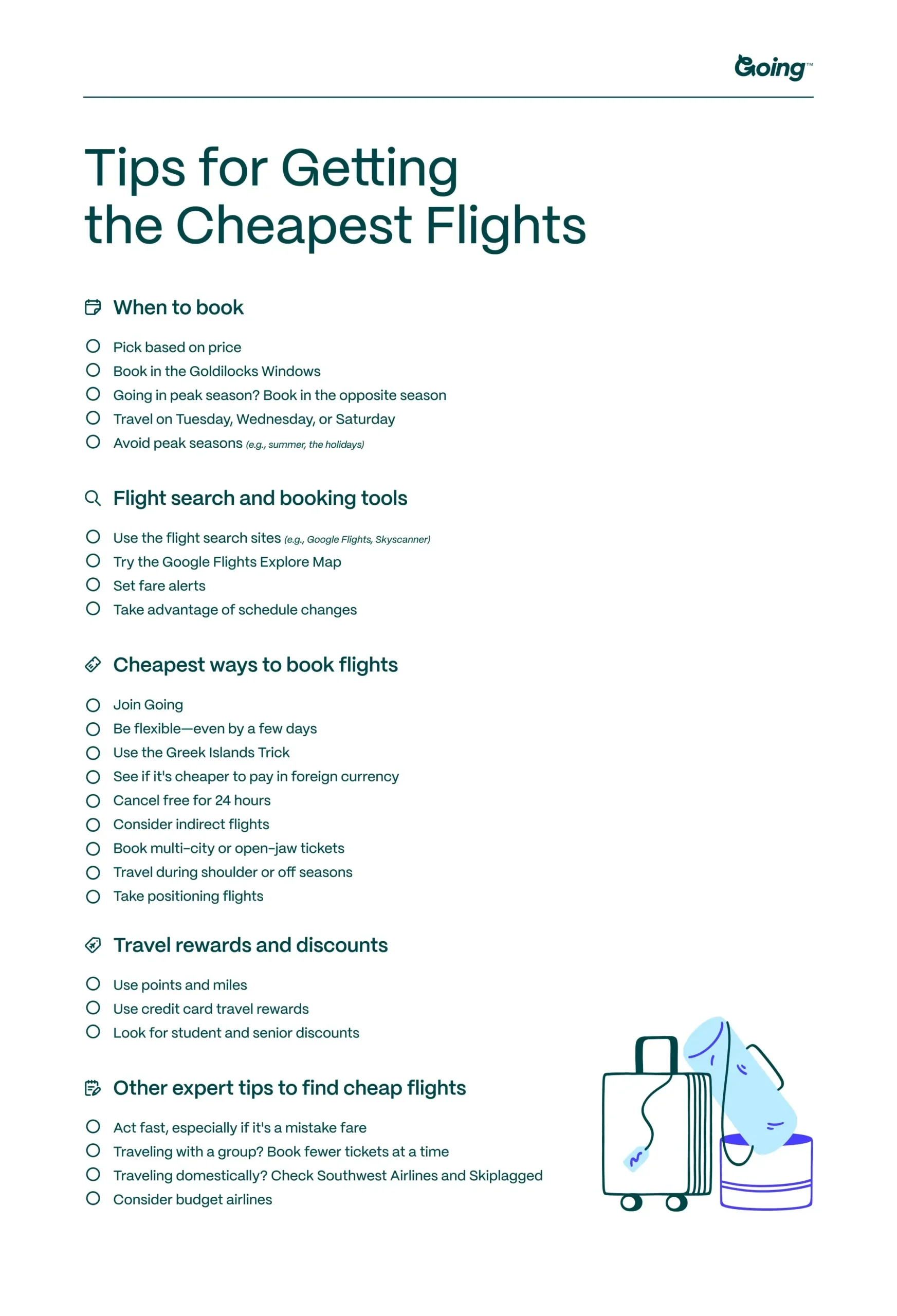
Flight comparison websites are indispensable tools for budget travelers. They gather flight options from multiple airlines and travel agencies, allowing you to view and compare prices all in one place. To use these sites effectively, start by inputting flexible travel dates if possible. Many platforms offer calendar views showing the cheapest days to fly, which can lead to significant savings.
Also, don’t forget to clear your cookies or use incognito mode, as prices may increase based on your search history. Taking the time to explore various sites, like Skyscanner, Momondo, or Google Flights, helps ensure you aren’t limited to just one view of the market.
Tips for Setting Fare Alerts and Tracking Prices
Fare alerts are game changers when it comes to snagging affordable flights. Many flight search engines and apps let you sign up for notifications when prices drop on your chosen routes. This feature removes the stress of constant manual checking and gives you the chance to act quickly once a deal appears. It’s best to set alerts several months ahead of your intended travel date, as this widens your window to catch discounts.
Price tracking tools often offer insights on predicted price changes, helping you decide whether to book immediately or wait a little longer.
Choosing the Right Time to Book
Seasonal Considerations and Travel Windows
Timing your booking around the season is critical for affordability. Traveling during off-peak seasons usually means fewer crowds along with cheaper flights and accommodation. For example, summer holidays tend to spike prices, while spring and fall often offer better deals and pleasant weather in many destinations.
Understanding local high and low seasons also helps you avoid inflated costs and enjoy a more relaxed travel experience. Planning just outside peak holiday periods can yield substantial savings without sacrificing the enjoyment of your trip.
When to Book Flights for Maximum Savings
Industry research shows a sweet spot for booking flights, often several weeks or months before departure to get the best price. For domestic flights, booking about 1 to 3 months ahead can be ideal, while international flights typically require booking 2 to 8 months in advance.
Last-minute deals exist but can be risky for budget travelers who prefer certainty. However, if you have flexible dates and destinations, keeping an eye on these last-minute offers might pay off. Booking mid-week, especially on Tuesdays or Wednesdays, also tends to be cheaper due to airlines adjusting prices based on demand.
Decoding Flight Options for Budget Travelers
Direct vs. Connecting Flights: Pros and Cons
Choosing between direct and connecting flights depends on your priorities. Direct flights are generally more convenient and time-saving, but they can come at a higher cost. Connecting flights often lead to cheaper fares, especially if you don’t mind longer travel times or brief layovers.
For beginners, balancing comfort with savings means carefully considering layover durations and airport changes. Some connections might require switching terminals, which can be tricky if you have tight wait times. Researching the connecting airport in advance saves stress and potential delays.
Understanding Budget Airlines and Hidden Fees
Budget airlines are attractive for their low base fares but often come with extra charges for things many travelers take for granted: checked baggage, seat selection, in-flight meals, and even carry-on bags in some cases. It’s essential to read the fine print and calculate the total cost before booking.
For budget travelers, it might be worth paying a slightly higher fare on a full-service airline if it means fewer unexpected fees. Alternatively, you can reduce costs on budget airlines by traveling light and skipping add-ons whenever possible.
Smart Accommodation Booking Strategies
Selecting Locations: Balancing Cost and Convenience
Where you stay affects not just your accommodation costs but also your daily travel expenses. Budget accommodations located far from main attractions or public transport may save on the nightly rate but increase your spending on taxis or transit. Finding a spot that balances affordability with accessibility is key.
Consider neighborhoods slightly outside the city center that are well-connected by bus or metro. These areas often offer better prices without compromising your experience or safety.
Comparing Hotels, Hostels, and Alternative Lodgings
Hotels offer privacy and amenities but often come at a premium. Hostels can be a budget-friendly choice, especially for solo travelers or those open to shared accommodations. Many hostels now provide private rooms alongside the traditional dormitory setup, offering more flexibility.
Alternative lodgings like vacation rentals, guesthouses, or even homestays offer unique experiences and sometimes better value. Platforms like Airbnb or Vrbo provide options that can include kitchens, enabling you to save money by cooking your own meals.
How to Use Booking Platforms Like a Pro
Hidden Discounts and Promo Codes
Many booking websites offer hidden discounts or allow the use of promo codes that aren’t immediately visible. Signing up for newsletters or following social media accounts of travel sites can reveal exclusive deals. Additionally, certain credit cards or memberships provide access to special rates.
Always search for current promo codes before completing a booking, as even a small percentage off can translate to noticeable savings, especially on longer stays or expensive flights.
Reading and Assessing Reviews for Budget Stays
While price is crucial, the quality and safety of your accommodation should not be overlooked. Reading honest reviews helps set realistic expectations and avoid unpleasant surprises. Pay attention to recent comments about cleanliness, location, and customer service.
Beware of overly generic or suspiciously positive reviews; look for detailed and balanced feedback from other budget travelers. This approach ensures your stay meets your comfort levels without breaking the bank.
Additional Tips to Maximize Savings
Loyalty Programs and Travel Credit Cards
Joining airline and hotel loyalty programs can provide perks such as priority boarding, free checked bags, or room upgrades. While beginners might not accumulate points quickly, initiating memberships early prepares you for future trips. Travel-focused credit cards offer rewards or cash back on bookings, helping stretch your budget further.
Be mindful of annual fees and interest rates, and ensure you only use credit cards if you can pay off balances each month to avoid debt.
Flexible Traveling: How Open Dates Save You Money
Flexibility is one of the strongest tools for budget travelers. Having open travel dates allows you to shift your plans based on when the cheapest flights and accommodations are available. Many flight search engines allow you to browse fares by month or even look at cheapest destinations from your home airport.
Being adaptable can unlock unexpected adventures and substantial savings, turning what might feel like limiting constraints into exciting opportunities.
Summary: Putting It All Together for Your First Budget Trip
Booking affordable flights and accommodation doesn’t have to be daunting. By understanding the basics, taking the time to research effectively, and carefully choosing when and where to book, beginners can confidently plan trips that are both enjoyable and wallet-friendly.
Being aware of common pitfalls like hidden fees and location trade-offs, and using tools such as fare alerts and loyalty programs enhances your ability to travel smartly. Ultimately, flexibility and informed choices are your best friends in making budget travel a sustainable and rewarding habit.


