
Understanding the Importance of a Morning Routine with Kids
Benefits for Parents and Children
Starting the day with a well-structured morning routine benefits both parents and children by creating a sense of calm and predictability. For children, consistent routines foster a feeling of security and help develop essential life skills like time management and responsibility. Parents often experience less stress and more control, as a smooth morning sets a positive tone for the entire day. The routine encourages cooperation and reduces the chaotic scramble that mornings can quickly become.
Common Challenges Faced in the Morning
Mornings with kids often present challenges such as resistance to waking up, reluctance to get dressed, or delays during breakfast. Distractions, mood changes, and the natural rush to meet schedules can make mornings fraught with tension. Understanding these common hurdles helps parents design routines that are realistic and adaptable rather than rigid or overwhelming.
Preparing for Success the Night Before
Setting Out Clothes and School Supplies
One of the most effective ways to ease morning pressures is by preparing key items the previous evening. Laying out clothes for the next day saves precious time and reduces decision fatigue in the morning. It also empowers children to take responsibility for their preparations. Organizing school supplies ahead ensures nothing important is forgotten, which helps avoid last-minute scrambles that can disrupt the whole routine.
Planning Breakfast and Lunches Ahead
Planning meals the night before can simplify the morning flow. Preparing breakfast ingredients or even pre-assembling lunches minimizes the tasks on a busy morning, allowing more quality time with children. This preparation also enables healthier choices, as meals are thought out rather than made in haste.
Step 1: Establishing a Wake-Up Time That Works
Balancing Adults’ and Kids’ Sleep Needs
Choosing a wake-up time that balances the needs of both adults and children is crucial. Children require varying amounts of sleep depending on their age, so ensuring they get enough rest sets the foundation for a successful morning. Parents must also consider their own schedules and energy levels when determining the wake-up time, aiming for a compromise that supports the entire family’s well-being.
Using Alarms and Gentle Wake-Up Techniques
Alarms can signal the start of the day, but gentle waking methods often work better for children. Using soft music, gradual light, or calm verbal cues can ease the transition from sleep to wakefulness. This approach reduces morning crankiness and fosters a positive start without the abruptness that harsh alarms may cause.
Step 2: Creating a Kid-Friendly Morning Checklist
Visual Aids and Reward Systems
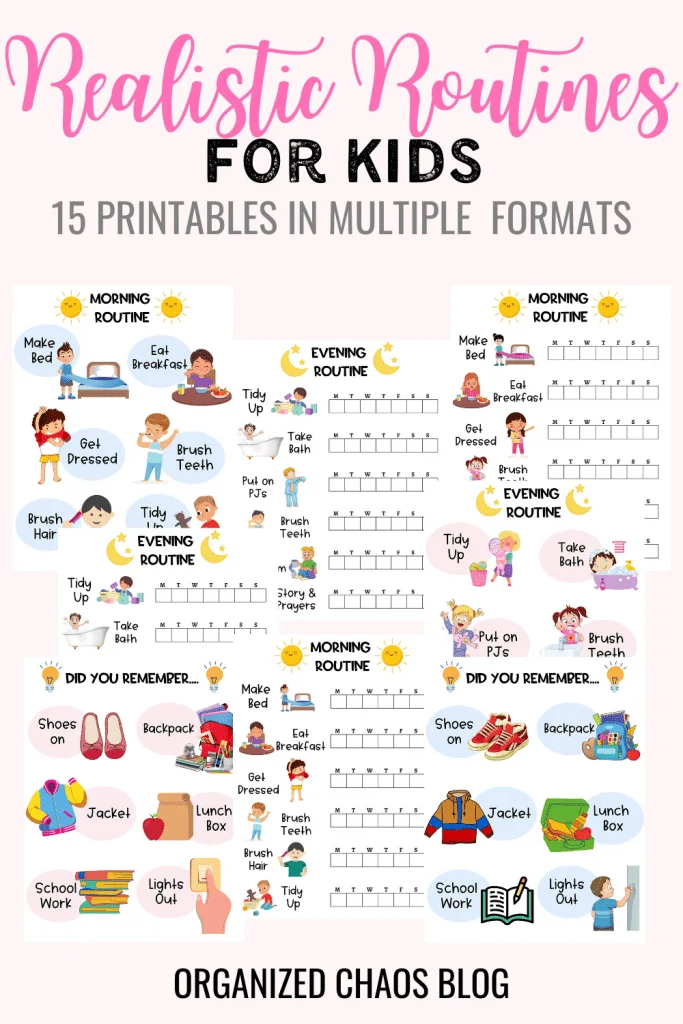
Visual checklists or charts simplify routines by clearly showing children what tasks they need to complete. This can reduce confusion and increase a child’s confidence in managing their own morning. Incorporating reward systems for completed tasks encourages motivation and reinforces good habits. These tools provide a sense of accomplishment and can be tailored to different ages and interests.
Encouraging Independence Through Routine Tasks
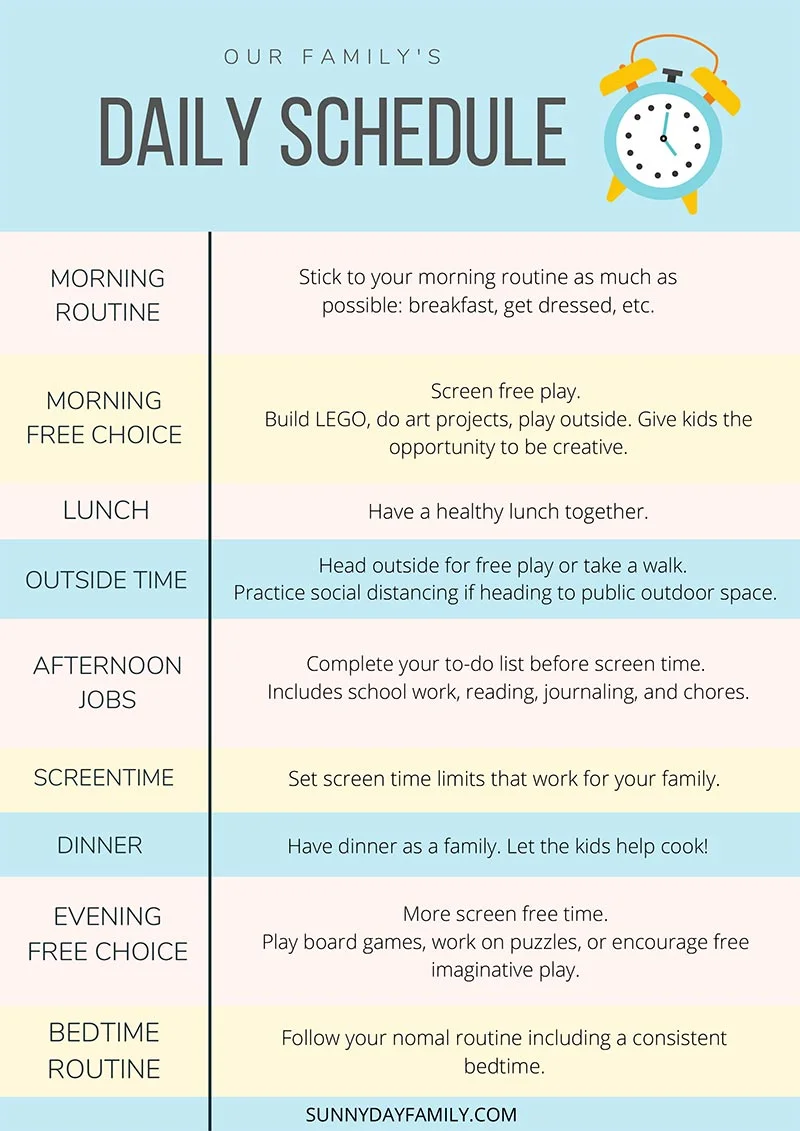
Assigning simple yet meaningful tasks encourages children to take ownership of their morning. Dressing themselves, brushing teeth, and packing bags are examples that develop autonomy. The morning checklist acts as a guide, helping children understand what they are responsible for without constant parental prompts, which fosters independence over time.
Step 3: Streamlining Breakfast and Getting Dressed
Healthy and Quick Breakfast Ideas
Breakfast is vital for energy and focus, yet it often competes with time constraints. Opting for nutritious but quick breakfasts like smoothies, yogurt with fruit, or whole-grain toast supports children’s health while fitting into a busy schedule. Keeping breakfast preparation simple ensures more consistent eating habits and a less stressful start to the day.
Making Dressing Fun and Efficient
Dressing can be a tricky part of the routine, especially with young children who like to take their time. Making it fun by offering choices or turning it into a game can reduce resistance. Preparing outfits the night before and simplifying wardrobe options also streamlines this task, helping the whole process move along smoothly without frustration.
Step 4: Managing Time and Transitions
Using Timers and Reminders
Managing the flow of morning activities with timers helps keep everyone on track without constant verbal reminders. Timers make abstract time concepts more tangible for children, helping them understand how long they have for each task. Setting gentle reminders supports transitions from one activity to the next, minimizing delays and last-minute rushes.
Dealing with Resistance and Last-Minute Delays
Resistance to adhering to the routine is natural, especially for children who crave attention or enjoy testing limits. Remaining patient while offering clear expectations reduces power struggles. Preparing for occasional last-minute delays by building buffer time into the schedule creates flexibility. Keeping calm in these moments models good behavior and helps maintain harmony.
Tools and Techniques to Simplify Your Morning
Apps, Planners, and Visual Schedule Charts
Many families find digital tools helpful in organizing their mornings. Apps designed for family planning offer reminders and track routines. Physical planners or visual charts displayed in high-traffic areas keep everyone aligned and accountable. These tools serve as external memory aids, reducing mental load and making the routine visible to all family members.
Incorporating Music and Positive Reinforcement
Playing upbeat music during morning tasks can improve mood and encourage movement, making the routine feel less like a chore. Combining music with positive reinforcement, such as praise or small rewards for cooperative behavior, strengthens motivation. These techniques create a more enjoyable atmosphere conducive to a successful start.
Adjusting Your Routine for Different Ages
Tailoring to Toddlers vs. School-Aged Children
Morning routines should evolve with children’s developmental stages. Toddlers often need more hands-on guidance and shorter activity segments, while school-aged children can handle greater independence and longer tasks. Tailoring expectations and support according to age ensures the routine remains realistic and effective.
Preparing for Seasonal Changes and School Events
Routines may require adjustment as seasons change, affecting daylight and weather, or when special school events occur. Preparing for these variations in advance helps maintain consistency. For example, allowing extra time in colder months or on event days prevents unnecessary stress and keeps mornings running smoothly.
Examples of Realistic Morning Routines for Families
Sample Routine for Preschoolers
A morning routine for preschoolers might begin with waking up at a consistent time followed by a simple checklist of brushing teeth, dressing, and eating breakfast. Incorporating short playtime or reading moments can make the routine enjoyable and engaging at this age, fostering cooperation without overwhelming the child.
Sample Routine for Elementary School Kids
Elementary-aged children can handle more independence, so routines might include tasks like packing backpacks, selecting lunch options, and managing personal hygiene with minimal supervision. Including a brief review of the day’s schedule or responsibilities prepares children mentally for school, promoting responsibility and confidence.
Maintaining Flexibility and Staying Consistent
When to Adapt Your Routine
Flexibility is key to sustaining a morning routine long-term. Life changes such as a new school schedule, growth spurts, or family dynamics might require adaptations. Recognizing when a routine is no longer effective or realistic allows families to make necessary adjustments without guilt.
Strategies for Keeping Everyone Motivated
Consistency is important but motivation fuels it. Regularly celebrating successes, updating reward systems, and checking in with children to gather feedback help keep the routine fresh and engaging. Encouraging open communication ensures that the routine supports the family’s needs and can evolve in a positive way over time.


