
Understanding Budget Travel Itineraries: The Basics
What Is a Budget Travel Itinerary?
A budget travel itinerary is a carefully planned schedule of activities, accommodations, transportation, and meals designed to keep travel expenses within a predetermined financial limit. Rather than planning sporadically, a budget itinerary helps travelers allocate funds wisely, ensuring their trip remains affordable without sacrificing enjoyment. This approach involves mapping out every day’s events and costs, allowing for better control over spending and a more rewarding experience.
Benefits of Planning Ahead
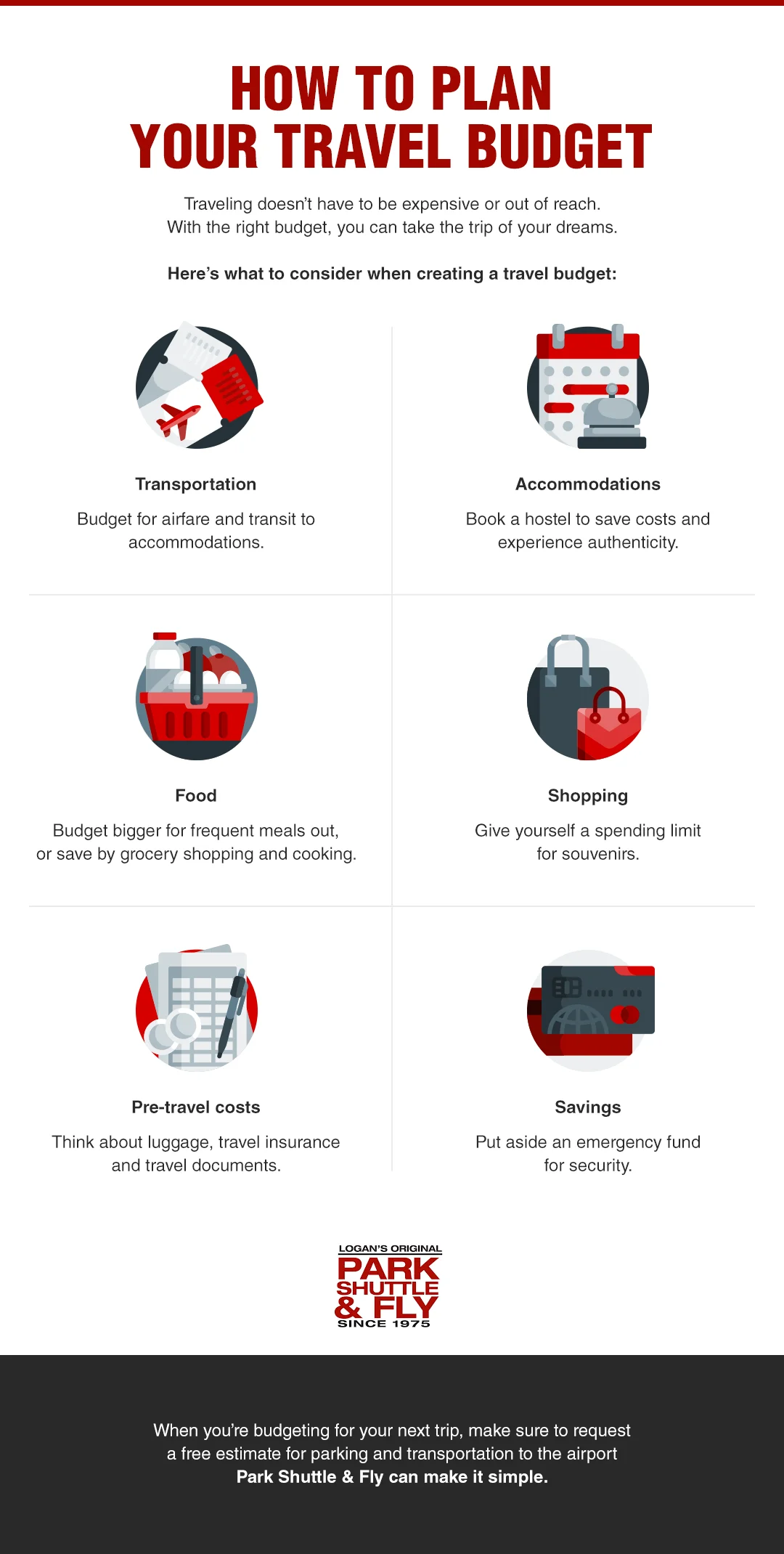
Planning your travel itinerary ahead of time brings numerous advantages. By researching and organizing your trip before departure, you gain access to better deals on accommodations and transportation. It minimizes last-minute expenses, reduces stress, and helps optimize your time at the destination. Additionally, a well-thought-out budget itinerary allows you to make informed decisions, avoid overspending, and discover hidden gems that budget travelers often miss.
Preparation: Laying the Groundwork
Determining Your Travel Budget
The first step in creating a budget travel itinerary is understanding how much money you can comfortably allocate for your trip. This involves reviewing your finances and setting a realistic spending limit that covers transport, lodging, meals, activities, and emergencies. Breaking down the total budget into categories helps identify areas where you can cut costs or need to allocate more funds, ensuring you stay within your means throughout the journey.
Choosing Your Destination Wisely
Selecting the right destination plays a crucial role in managing your travel expenses. Some locations naturally have a lower cost of living, making them ideal for budget travelers. Consider factors like currency exchange rates, typical accommodation prices, and affordable food options. Also, think about the type of experiences you want—whether urban exploration or nature retreats—since some activities can greatly influence your spending.
Setting Travel Dates Based on Cost Factors
When you plan your trip, timing matters significantly for your budget. Traveling during off-peak or shoulder seasons often results in substantial savings on flights and accommodations. Avoiding holidays and weekends can also reduce costs and crowds. Researching these patterns for your chosen destination allows you to pick dates that maximize affordability without compromising the quality of your experience.
Research Tools and Resources for Smart Planning
Using Online Platforms for Affordable Accommodation
There are numerous online platforms dedicated to helping travelers find budget-friendly lodging options. Websites and apps like Airbnb, Hostelworld, and Booking.com offer a range of accommodations, from shared dorm rooms to private apartments, often accompanied by user reviews to guide your choice. Comparing prices and filtering by budget can help you secure a stay that fits both your comfort needs and financial plan.
Finding Cheap Transportation Options
Transportation costs can quickly add up, but with proper research, you can uncover affordable alternatives. Look for budget airlines, regional bus services, or train passes that offer discounts for longer journeys. Apps and websites that specialize in travel deals can alert you to sales and last-minute tickets. Additionally, consider local transportation methods like bike rentals or ride-sharing to save money while getting around efficiently.
Identifying Free and Low-Cost Attractions
Exploring your destination doesn’t have to be expensive. Many cities and tourist areas offer free museums, parks, walking tours, and cultural events. Digging into travel blogs, official tourism sites, and local forums can reveal a wealth of low-cost or no-cost activities that enrich your itinerary. Planning your days around such options keeps the trip enjoyable and light on the wallet.
Creating Your Daily Itinerary
Balancing Activities and Rest
While it’s tempting to pack your days with as many attractions as possible, balancing energetic activities with downtime ensures a more pleasant travel experience. Include moments for relaxation and spontaneous exploration so you don’t feel rushed or exhausted. A thoughtful balance allows you to savor each experience without burnout, making your trip more sustainable and fulfilling.
Structuring Meals on a Budget
Mealtime can be a major portion of travel expenses, so structuring meals thoughtfully helps control costs. Consider having a hearty breakfast and packing snacks to avoid pricey convenience food. Explore local markets and street vendors for authentic and inexpensive meals. Preparing some of your own food, especially if your accommodation has kitchen facilities, can significantly reduce spending while providing a taste of local culture.
Incorporating Flexibility into Plans
Although having a detailed itinerary is beneficial, it’s important to leave room for flexibility. Unexpected opportunities, weather changes, or new information might prompt adjustments to your plan. Allowing slack in your schedule can prevent unnecessary stress and help you take advantage of spontaneous experiences without facing financial consequences.
Booking and Confirmations
Best Practices for Early Reservations
Securing your accommodations and transportation well in advance often leads to better prices and availability. Early bookings can lock in lower rates before demand rises. However, it’s wise to stay informed about cancellation policies and flexible tickets to safeguard against changes. Keeping organized records of your reservations avoids confusion and ensures smooth check-ins and departures.
Tracking Your Expenses and Receipts
Maintaining a detailed record of your spending during the trip helps you adhere to your budget and assess where money is going. Using expense tracking apps or a simple notebook to log all purchases, including small items, provides financial clarity. This practice also makes it easier to adjust your itinerary mid-trip if you notice overspending in certain categories.
Tips to Save Money While Traveling
Smart Packing Strategies
Packing light can save money on baggage fees and simplify your travel experience. Bring versatile clothing suitable for multiple occasions and climates, reducing the need for extra purchases. Including essential items like reusable water bottles and snacks prevents costly on-the-go purchases. Efficient packing also eases transportation logistics, allowing greater mobility and access to cheaper travel options.
Using Local Transportation Efficiently
Mastering local transportation can drastically reduce costs compared to taxis or rental cars. Familiarize yourself with bus routes, metro systems, and local shuttle services ahead of time. Purchasing daily or weekly passes can be more economical. Walking or cycling when feasible not only saves money but also offers a richer connection to the destination.
Leveraging Local Deals and Discounts
Many places offer special promotions for tourists, such as discounted entry days and combo passes for multiple attractions. Look out for coupons in visitor centers, local newspapers, or tourism websites. Joining local social media groups or forums can also provide insider tips about current deals. Being proactive in seeking discounts can stretch your travel budget significantly.
Common Mistakes to Avoid
Overpacking the Itinerary
Trying to do too much in a limited time often leads to stress and expenses you did not anticipate, such as rushed transport or additional fees. Overpacking your itinerary leaves little room for rest or unexpected discoveries, detracting from the overall enjoyment. Prioritize your must-see sights and leave buffer time to maintain a relaxed pace and better money management.
Ignoring Hidden Costs
Many travelers overlook indirect expenses like local taxes, baggage fees, service charges, and tips. These hidden costs can accumulate and disrupt your budget. Researching these potential charges beforehand and incorporating them into your initial calculations helps prevent unpleasant surprises. Always factor in small daily expenses alongside major costs to maintain a realistic budget.
Summary and Final Checklist for Beginners
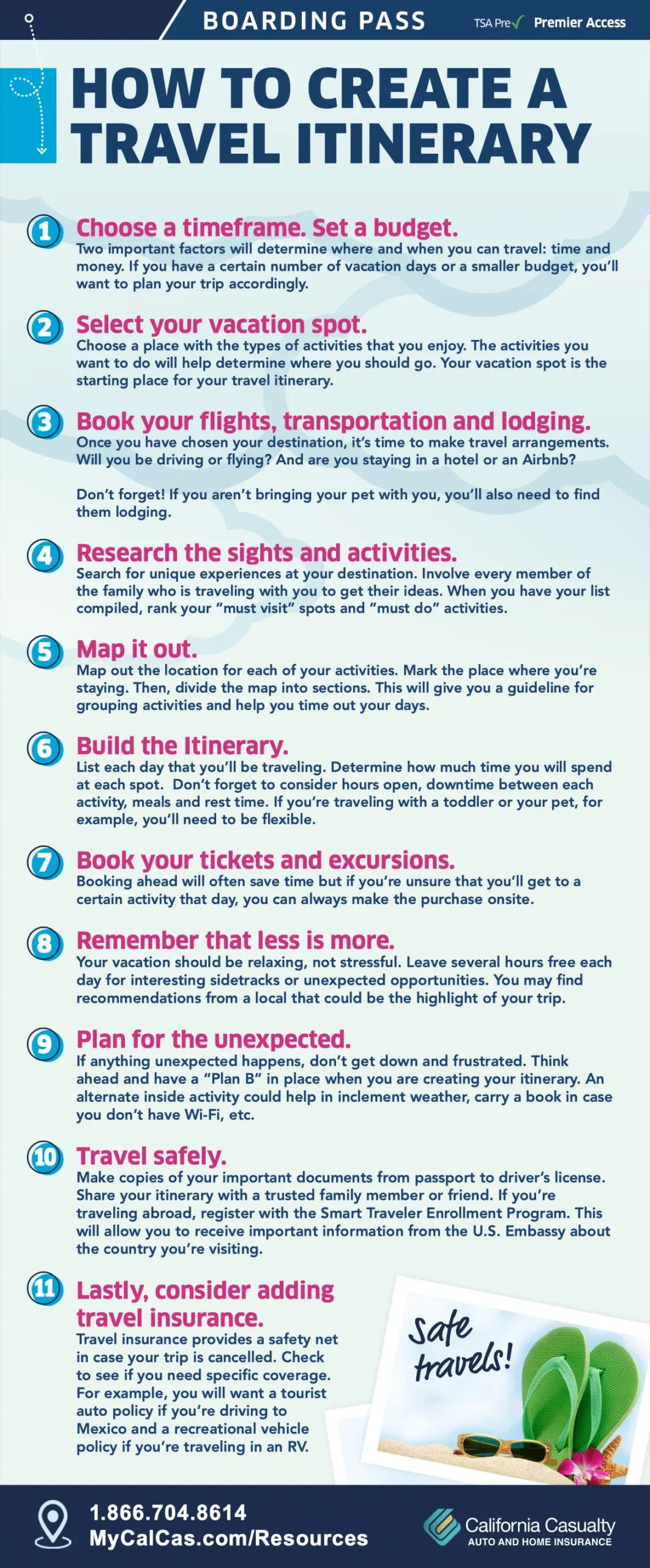
Creating a budget travel itinerary involves thoughtful preparation, smart research, and disciplined execution. Start by setting a clear budget and choosing a destination and travel dates that align with your financial goals. Use online tools to find affordable lodging and transportation, while integrating free or low-cost attractions into your plans. Balance your daily schedule to avoid fatigue, and maintain flexibility to adapt as needed.
Booking early and keeping track of your expenses ensures smooth progress throughout the trip. Employ cost-saving strategies like smart packing, using local transit, and hunting for discounts. Stay mindful of common pitfalls such as cramming too many activities or neglecting hidden expenses.
By following these step-by-step guidelines, even beginners can enjoy a fulfilling travel experience without overspending. The key lies in planning with intention, staying informed, and embracing a flexible, budget-conscious mindset. Prepare well, travel smart, and make the most of your adventure.


