
Understanding the Need for a Dedicated Workspace in Small Apartments
Why Remote Jobs Require Focused Work Areas
In recent years, remote work has become an integral part of many people’s lives. For those living in small apartments, carving out a dedicated workspace isn’t just a luxury; it’s a necessity. Without a specific area reserved for work, it’s easy for professional tasks to bleed into personal time, reducing productivity and increasing stress. Consider Sarah, a graphic designer living in a studio apartment. Before setting up a dedicated desk corner, she found herself attending meetings from the couch, surrounded by distractions. Once she established a dedicated workspace, her focus and output improved drastically, highlighting how critical this separation is for maintaining a professional mindset.
Challenges of Working in Limited Spaces
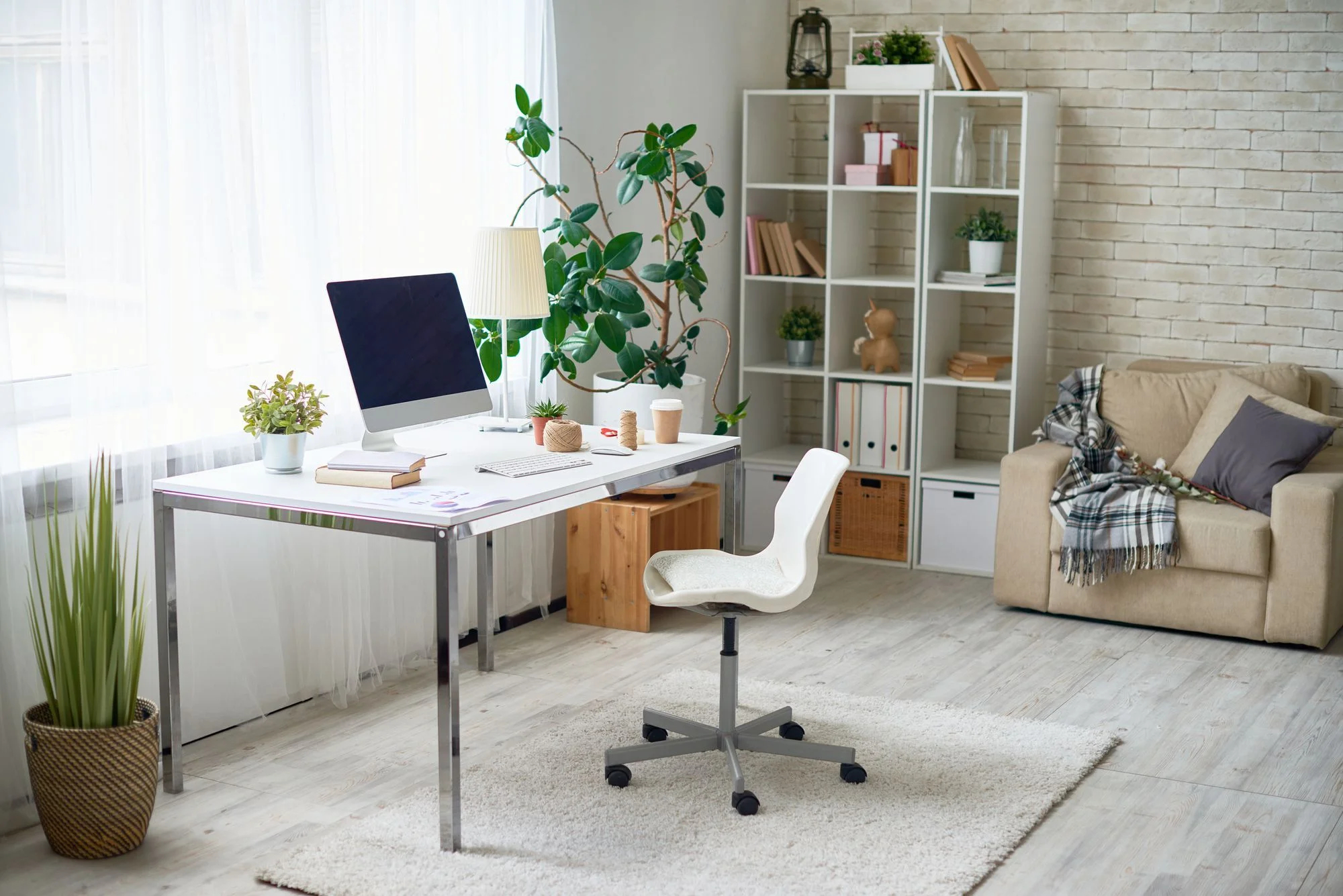
One of the biggest struggles with small apartments is the lack of square footage. Spaces that serve multiple roles can cause distractions or even physical discomfort. Limited natural light, cramped furniture setups, and the constant presence of household noise complicate the ability to work efficiently. John, who works in customer support from his one-bedroom, initially battled with interruptions and discomfort because his workspace doubled as his living area. Overcoming such challenges requires creative planning and an understanding of personal work habits to tailor a workspace that fosters productivity despite space constraints.
Planning Your Workspace
Assessing Available Space and Layout Options
The first step in creating a dedicated workspace is to objectively evaluate your apartment’s layout. Walk through your space and identify areas that get the most natural light or places that tend to be quieter. Sometimes this can be a cozy corner in the living room or a spot near a window ledge. For example, Mia, a freelance writer, transformed a narrow hallway into her office by installing a foldable desk and wall-mounted shelves. Being mindful about space utilization sets the foundation for a functional work area.
Setting Realistic Goals for Your Workspace
With limited space, it’s tempting to try and create an elaborate office setup. However, it’s important to set achievable goals that align with your remote job requirements. If your work primarily involves calls and document editing, a simple desk with good lighting suffices. Tom, a software developer, initially purchased a large desk thinking he needed lots of space, only to find it cramped his living area. Downsizing his setup allowed for more freedom and comfort. Establishing what you truly need prevents unnecessary purchases and clutter.
Budgeting for Essential Furniture and Equipment
Budget constraints often pose challenges when outfitting a home office. Prioritize ergonomics and functionality over aesthetics initially. It’s better to invest in an adjustable chair that supports your posture than extravagant décor. Consider second-hand markets or minimalist designs to keep costs down. Emily, who works in digital marketing, saved money by repurposing an old dining chair and purchasing an affordable yet sturdy desk. Thoughtful budgeting ensures the workspace is practical and sustainable long-term without breaking the bank.
Optimizing Space with Smart Furniture and Design
Choosing Multi-Functional Furniture
In small apartments, furniture that serves more than one purpose is a game changer. A desk that folds away when not in use or a bench with hidden storage can significantly increase usable space. Mark, a remote consultant, installed a wall-mounted fold-down desk that allowed his living room to double as his office by day and relaxation space by night. Multi-functional pieces reduce clutter and help maintain the flow of a small apartment.
Incorporating Vertical Storage Solutions
When floor space is scarce, think upward. Shelving units, pegboards, and wall organizers keep work materials off the desk while within easy reach. Lisa, a translator, uses vertical shelving above her desk to store books and supplies, freeing up her desk for workspace. Vertical storage maximizes the area and keeps essentials visible and accessible without encroaching on limited horizontal surfaces.
Using Room Dividers and Privacy Screens Effectively
Privacy is difficult to come by in small spaces shared with family or roommates. Lightweight room dividers or portable privacy screens can create a sense of separation and reduce visual distractions. For example, Alex employed a bookshelf as a divider between his workspace and living area, which helped his mind switch into “work mode” when behind it. This physical boundary can be vital to maintaining focus and signaling to others that work time is in progress.
Ergonomics and Comfort in Small Workspaces
Selecting the Right Chair and Desk
Ergonomic considerations are critical to avoid discomfort or injury, especially when space limits furniture options. A chair with adjustable height and lumbar support, paired with a desk at the correct level, promotes healthy posture. Rachel, an online teacher working from her apartment, found that investing in an ergonomic chair eliminated chronic back pain she had previously experienced. Even in minimal spaces, small ergonomic upgrades significantly improve work endurance and well-being.
Maintaining Proper Lighting and Airflow
Good lighting reduces eye strain, while fresh air improves concentration and energy. Position your workspace near windows if possible or invest in adjustable LED lamps to mimic natural light. Additionally, ensure airflow by opening windows periodically or using fans. Carlos, a remote analyst, noticed his productivity soar after repositioning his desk closer to a window and adding a compact desk lamp for late nights. Lighting and air quality shape not only comfort but also mood and alertness.
Organization Techniques to Maximize Productivity
Decluttering Tips for Small Spaces
In tight quarters, clutter multiplies quickly and distracts from work. Adopting a habit of clearing your workspace at the end of each day helps maintain order. Use trays, pen holders, and drawer dividers to keep items contained. Sophia, who runs a consultancy from her studio apartment, dedicates 10 minutes daily to organizing her desk, preventing papers and supplies from piling up. Keeping clutter minimal is fundamental to reducing stress and enhancing focus.
Implementing Digital and Physical Organization Systems
Beyond physical tidiness, digital organization supports remote work efficiency. Tools like cloud storage, task managers, and calendars reduce paper dependency and streamline workflows. Physical files can be managed with labeled folders or binders stored vertically to save space. Michael combines boxed storage bins under his desk with cloud-based project management to ensure nothing slips through the cracks. Blending digital and physical systems tailors organization to your specific work styles and spatial constraints.
Enhancing Focus and Minimizing Distractions
Creating Boundaries with Household Members
Live-in family or roommates can unintentionally disrupt workflow. Open communication about your working hours and using visual cues like a closed door or headphones signal when you shouldn’t be disturbed. Anna, a freelance editor, places a “working” sign on her door and schedules breaks to interact with housemates, balancing focus and social connection. Establishing these boundaries nurtures respect for your work time in shared environments.
Using Soundproofing and Noise-Canceling Tools
Noise can be a significant distraction in small apartments. Adding rugs, curtains, or wall hangings absorbs sound, while white noise machines or noise-canceling headphones combat interruptions. Jonathan, a customer service representative, invested in noise-canceling headphones that shield him from street noise and household chatter, dramatically improving concentration during calls. Sound management contributes to a calm, productive atmosphere.
Personalizing Your Workspace for Motivation
Incorporating Colors and Decor That Inspire
Personal touches make the workspace inviting and motivating. Soft blues and greens are calming, while pops of yellow or orange can spark creativity. Leah, an art director, chose inspiring prints and a vibrant rug to energize her small office nook. When your workspace reflects your personality and preferences, it becomes easier to look forward to work and stay engaged.
Adding Plants and Personal Touches
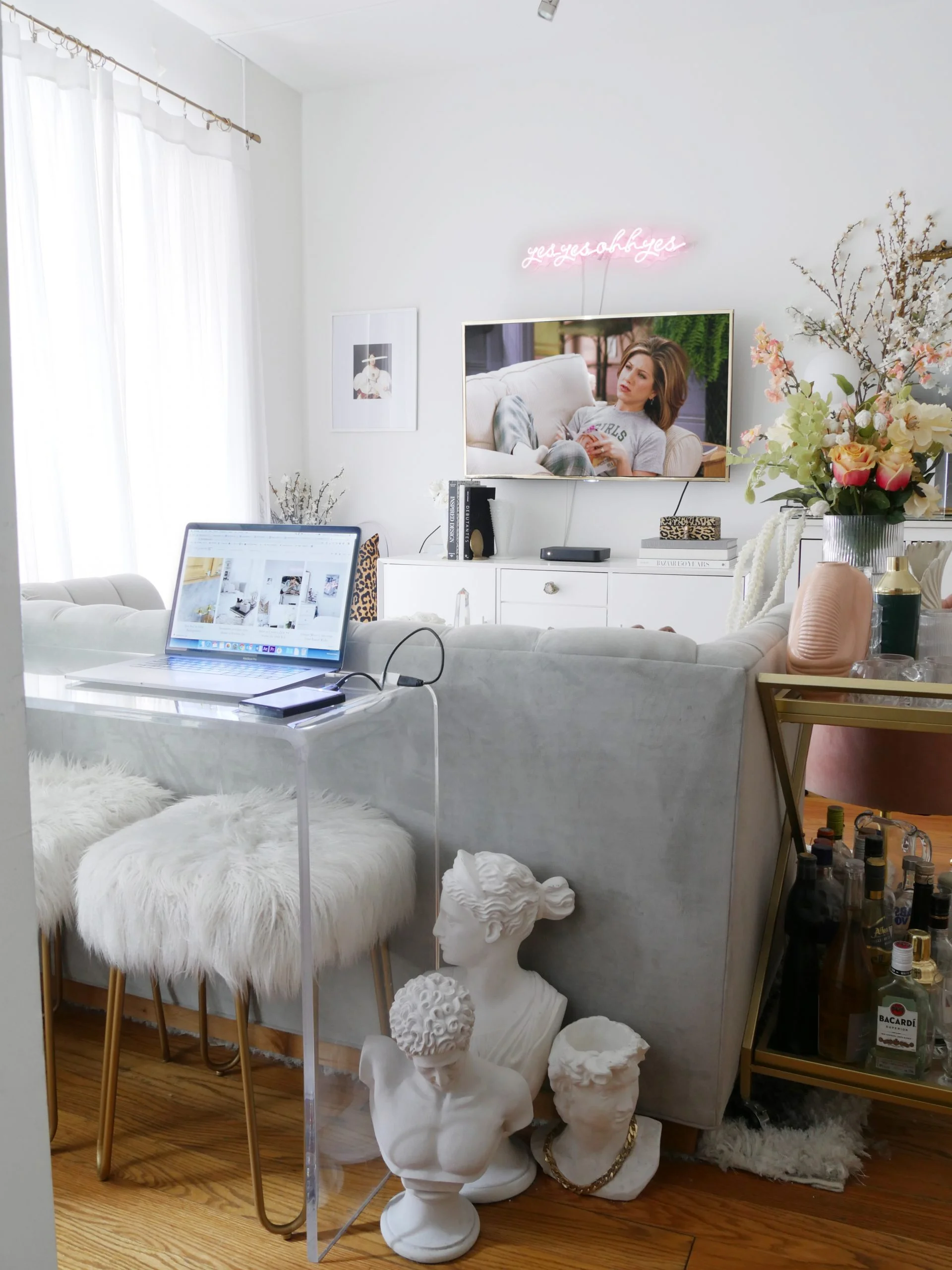
Plants bring life and improve air quality, enhancing mental well-being. Even a small succulent or herb on the windowsill can make a difference. Personal items like photos, motivational quotes, or meaningful souvenirs create emotional connection. David, a remote software tester, keeps a small plant and framed photos on his desk, helping him feel grounded during long hours. These elements add warmth and motivation in limited spaces.
Maintenance and Adaptability
Keeping Your Workspace Clean and Organized
Maintenance is an ongoing process. Regular cleaning prevents dust buildup and keeps the area inviting. Scheduling weekly tidying sessions ensures supplies are replenished, and work surfaces remain free of distractions. Hannah, a remote consultant, sets aside Sunday evenings to reset her space, preparing for the week ahead. Consistent upkeep sustains productivity and comfort.
Adjusting Your Workspace as Needs Evolve
Remote work needs change over time, whether due to new projects, role shifts, or lifestyle changes. Periodically reflect on your workspace efficiency and make modifications accordingly. When Aaron’s team shifted to more video meetings, he added better lighting and upgraded his webcam area. Flexibility in your setup prevents stagnation and supports evolving work requirements.
Conclusion
Creating a dedicated workspace in a small apartment for remote jobs is both a challenge and an opportunity. By understanding the unique demands of remote work and applying practical, space-saving strategies, you can build an environment that promotes focus, comfort, and efficiency. Keep your setup adaptable, prioritize ergonomics, and inject personal touches to make the space truly yours. Remember, even in limited square footage, a well-planned workspace can transform your remote work experience, enhancing both productivity and well-being.


