
Introduction to Weekly Planning for Busy Parents
Why Meal and Activity Planning Matters
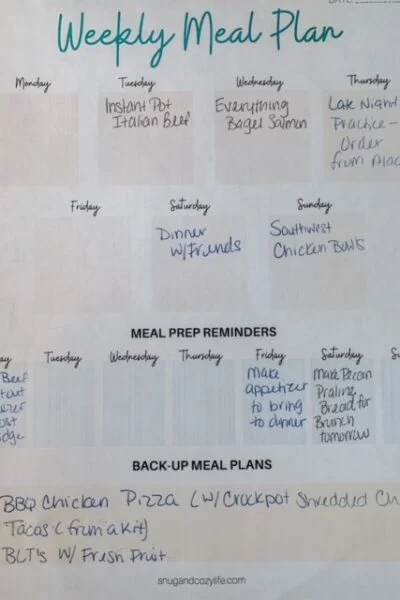
For working parents, juggling professional responsibilities and family life often feels like a constant balancing act. Planning meals and activities ahead of time can ease much of this stress. When you have a clear roadmap for the week, mealtimes become smoother, and family activities are more intentional rather than last-minute rushes. This proactive approach not only saves time but also promotes healthier eating habits and stronger family bonds, making everyone’s life a little simpler and more enjoyable.
Challenges Faced by Working Parents
The reality for many working parents includes long hours, unpredictable schedules, and the ever-present demand to be efficient in both work and home roles. Finding time to cook nutritious meals or plan meaningful activities often takes a backseat to immediate tasks. Add to this the varying tastes and preferences of family members, and planning might seem overwhelming. However, identifying these challenges is the first step toward creating a manageable system that works for your unique household.
Preparing for Your Planning Session
Gathering Essential Tools and Resources
Before diving into planning, it’s important to have all the necessary tools at hand. This might include a physical calendar, a digital planner on your phone, recipe books, grocery lists, or meal planning apps. Having these ready keeps the process focused and efficient. Some families find that having a whiteboard or a shared digital calendar visible to all members can be incredibly helpful for communication throughout the week.
Setting Realistic Expectations and Goals
It’s easy to aim for the perfect plan that covers every detail flawlessly, but realistic expectations are crucial. Recognize your family’s energy levels, time constraints, and preferences. Rather than scheduling every hour, focus on the essentials and allow flexibility for unexpected events. Setting small, achievable goals like preparing five healthy dinners a week or scheduling two family activities can lead to lasting success without burnout.
Step 1: Assessing Your Family’s Needs
Understanding Dietary Requirements
Every family member may have different nutritional needs or restrictions. Whether it’s allergies, health conditions, or personal preferences, taking stock of these early on helps eliminate guesswork. Pay attention to what everyone enjoys eating and any foods they need to avoid. This assessment ensures meals are inclusive and satisfying, preventing wasted food and mealtime frustration.
Identifying Kids’ and Adults’ Activity Preferences
Not every activity suits every family member, so it’s important to note what individuals enjoy. Some kids might thrive in structured sports while others prefer creative play or quiet reading time. Adults might value exercise, social outings, or downtime after work. Recognizing these preferences helps in crafting a balanced activity schedule that keeps everyone engaged and happy.
Step 2: Designing Your Weekly Meal Plan
Choosing Simple, Nutritious Recipes
When time is tight, simplicity is key. Opting for recipes with few ingredients and straightforward instructions can reduce stress. Prioritize meals packed with nutrients, like whole grains, lean proteins, and plenty of vegetables. Planning meals that can be adapted—say a stir-fry with whatever veggies are on hand—allows you to maintain variety without excessive effort.
Batch Cooking and Meal Prep Tips
Batch cooking can be a lifesaver, freeing up time later in the week. Preparing larger quantities of staples such as rice, roasted vegetables, or soups on a weekend can speed up weekday dinners. Portioning meals into containers also makes lunch packing or quick dinners effortless. Even simple prep steps like chopping vegetables ahead of time can shave minutes off your busy evenings.
Incorporating Flexibility for Busy Days
Life can throw curveballs, so your meal plan should have wiggle room. Including a couple of quick, ready-to-assemble meal options ensures you’re not left scrambling on hectic days. Rely on frozen vegetables, pantry staples, or pre-cooked proteins that you can mix and match. This flexibility keeps the plan sustainable and reduces the pressure to stick rigidly to every detail.
Step 3: Scheduling Weekly Activities
Balancing Work, School, and Family Time
With work commitments and school schedules dominating the day, carving out quality family time is crucial yet challenging. Consider setting regular time blocks for family dinners, homework help, or simply winding down together. Being intentional about this balance helps ensure that meaningful interactions don’t get lost in the shuffle of daily responsibilities.
Including Educational, Recreational, and Relaxation Activities
Variety keeps everyone engaged and refreshed. Educational activities might include reading sessions or visits to museums, while recreational activities could be bike rides or playground visits. Equally important is downtime, whether through relaxation or quiet hobbies, giving your family a chance to recharge. Scheduling a mix throughout the week promotes overall well-being without overwhelming anyone.
Step 4: Creating a Visual Plan
Using Calendars and Planning Apps
A visual representation of your weekly plan is incredibly helpful. Physical calendars placed in a common area or apps shared among family members provide clarity. Tools like Google Calendar or specialized family planners allow everyone to see upcoming meals and activities, reducing confusion and fostering accountability.
Color-Coding Meal and Activity Blocks
Color-coding different parts of your schedule adds an extra layer of organization. Assign colors to meals, school events, work commitments, and family activities. This visual cue helps quickly scan the week and keep track of everything at a glance. It also makes the calendar inviting and easier to update regularly.
Step 5: Involving the Whole Family
Assigning Roles and Responsibilities
When everyone pitches in, the planning process and execution become more manageable. Children can help choose meals or assist with simple prep, while partners can coordinate specific activities or handle shopping duties. Sharing responsibilities fosters a team spirit and teaches children valuable life skills.
Encouraging Feedback and Adjustments
Plans should evolve based on what works and what doesn’t. Encourage open conversations about what family members enjoy or find challenging in the schedule. This feedback loop allows you to tweak meals and activities, making the plan more effective and enjoyable for all.
Step 6: Executing and Reviewing Your Plan
Staying Consistent Amidst Busy Schedules

Consistency is key, but it doesn’t mean perfection. Stick to your plan as best as you can, knowing that some days will be tougher than others. Create small routines around mealtimes and activities, which can help solidify habits even when energy levels dip or schedules shift.
Evaluating What Works and What Needs Improvement
At the end of each week, take a moment to reflect. Identify which meals were hits, which activities brought joy, and where challenges arose. Use these insights to improve your plan, making each week smoother than the last and better tailored to your family’s evolving needs.
Bonus Tips for Long-Term Success
Building Habits That Stick
Turning planning into a regular habit transforms it from a daunting task into a natural part of your routine. Try dedicating a consistent time each week for your planning session to create rhythm. Celebrate small wins and progress, reinforcing the benefits this system brings to your family life.
Utilizing Technology for Easy Plan Updates
Leverage technology to keep your plan accessible and flexible. Apps that sync across devices can make last-minute changes simple and ensure all family members stay informed. Reminders and notifications are helpful tools that prevent important meals or activities from slipping through the cracks.


