
Introduction to Kitchen Counter Decluttering
Why Decluttering Matters for Daily Efficiency
Imagine starting your morning routine in the kitchen, ready to make coffee and breakfast, only to be greeted by a chaotic countertop scattered with random items. This everyday frustration is common but avoidable. Decluttering kitchen counters is not just about aesthetics; it directly impacts how efficiently you move through daily tasks. When counters are clear, you can quickly locate what you need, prep meals faster, and reduce unnecessary stress during busy mornings or when cooking family dinners.
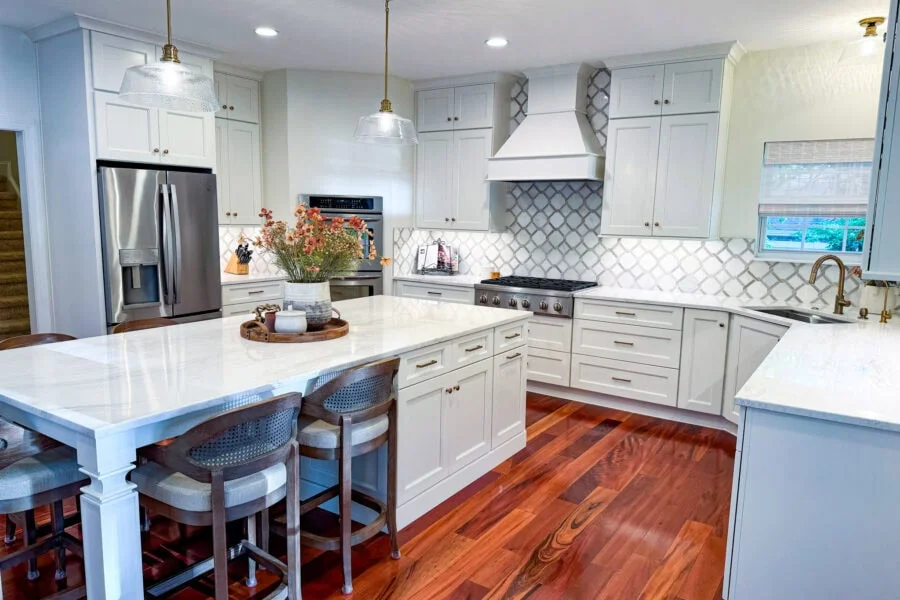
For example, consider Sarah, a working mom who struggled to find space to chop vegetables because of cluttered surfaces. After decluttering, she found that meal prep time decreased by 15 minutes on average, making evenings less hectic and more enjoyable.
The Psychological Benefits of an Organized Kitchen
Beyond practicality, the state of your kitchen counters has a surprising effect on your mental well-being. An organized environment promotes calm and focus, which are essential when managing multiple tasks at once. Picture walking into your kitchen after a long day and feeling a sense of ease rather than overwhelm.
Psychologists suggest that clutter can increase feelings of anxiety and reduce the ability to concentrate. By dedicating time to create an orderly kitchen space, you are essentially creating a sanctuary for yourself. Many people report feeling more motivated to cook and even enjoy their time in the kitchen once clutter is tackled.
Assessing Your Current Kitchen Counter Situation
Identifying Clutter Hotspots
The first step to effective decluttering is understanding where clutter tends to accumulate. Take a moment to observe your counters during different parts of the day. Is the area near the coffee maker crowded with mugs, sugar jars, and random papers? Does the space by the stove hold an overflow of utensils and spice containers?
In one case, a couple realized that their mail and keys always ended up on the kitchen island, turning it into a drop zone rather than a prep zone. Spotting these hotspots helps in targeting your decluttering efforts strategically, rather than trying to clear the entire kitchen all at once.
Evaluating Usage: What Stays and What Goes
After identifying clutter hotspots, examine each item and ask, “How often do I use this?” Items like your daily coffee grinder or frequently used cutting boards should have a dedicated spot on the counter or nearby. Less used appliances or decorative items might better reside inside cabinets or shelves.
One practical approach is to separate items into three categories: daily use, occasional use, and rarely or never used. This evaluation helps reveal hidden clutter and ensures essential tools remain accessible without crowding your counters.
Tools and Supplies Needed for Decluttering
Storage Solutions That Maximize Space
Optimizing your counter space often means investing in smart storage solutions. Consider vertical organizers, such as tiered shelves or magnetic strips for knives, which free up horizontal areas. A fruit basket with a small footprint or a sleek utensil holder can keep items neatly contained.
Homeowners in smaller kitchens often find success using stackable bins inside cabinets or pull-out trays, reducing countertop overflow. The right storage tools make it easy to keep things organized without sacrificing functionality.
Organizing Products to Keep Handy
Having the right organizing products at hand during decluttering makes the task smoother. Lightweight baskets, drawer dividers, and adhesive hooks allow you to sort and allocate items efficiently. For example, a set of uniform jars for spices or pantry staples not only declutters but also adds visual harmony.
Labels can also prove invaluable, especially if multiple family members use the kitchen. Clear identification reduces the chances of items being misplaced and forgotten on the counters.
Step-by-Step Decluttering Process
Step 1: Clear and Clean Your Counters Completely
Begin by removing every item from your counters. This might feel daunting, but it allows for a fresh start. Use this opportunity to thoroughly clean the surfaces, tackling crumbs, stains, and grease that often go unnoticed. A clean slate sets the tone for successful organization.
Step 2: Categorize Items by Frequency of Use
Once cleared, group all items according to how frequently they’re used. For instance, your coffee maker and mugs fall into the daily use category, while the waffle iron might be occasional. Rarely used items could be seasonal gadgets or specialty tools.
Having these categories helps to decide which items deserve prime counter space and which need to be stored elsewhere. Avoid the trap of keeping everything “just in case” on your counters.
Step 3: Assign a Home to Each Item
Now, decide the “home” for every item. Daily essentials should be within arm’s reach but neatly arranged. For example, keep cooking oils and commonly used spices near the stove but use a sleek rack to avoid clutter. Items used less frequently belong in cabinets, drawers, or pantry shelves.
This step is crucial because without a set place, clutter quickly returns. It helps to involve your family, so everyone knows where things belong and can easily return them.
Step 4: Implement Storage Techniques
Use your chosen storage solutions to arrange items efficiently. Vertical stacking, drawer organizers, and wall-mounted racks transform empty space into functional storage. For example, hanging mugs on hooks under cabinets can free significant counter area.
Remember, aesthetics matter too. An organized kitchen should feel inviting, so select containers and holders that complement your kitchen décor.
Step 5: Maintain a Daily Counter Clear-Out Routine
Decluttering isn’t a one-time event. Developing a daily habit of clearing counters, wiping surfaces, and returning items to their designated homes prevents buildup. It might help to set a reminder or make it part of your kitchen closing routine.
Think of it like tidying your desk at the end of the workday; a few minutes can save time and stress later on.
Optimizing for Efficiency Post-Declutter
Creating Zones for Different Activities
After clearing clutter, arrange your kitchen into zones based on activities: prep, cook, clean, and store. For example, keep cutting boards, knives, and mixing bowls near your prep station. Store pots and pans close to the stove, and place cleaning supplies under the sink.
This zoning minimizes unnecessary movement and streamlines workflows. In Michelle’s kitchen, establishing distinct zones cut down on the time she spent looking for items during dinner prep by nearly half.
Incorporating Multi-Functional Tools
Selecting tools that serve multiple purposes can greatly reduce countertop items. For instance, a blender that also chops and mixes replaces several single-use appliances. Nesting bowls or collapsible measuring cups compress storage needs.
By embracing versatility in your kitchen tools, you maintain functionality while ensuring counters remain uncluttered.
Practical Tips to Prevent Future Clutter
Daily Habits to Keep Counters Clear
Simple daily habits such as immediately putting away groceries, washing dishes after use, and clearing mail or papers prevent clutter accumulation. One habit to try is the “five-minute tidy” before bedtime, where you clear surfaces and reset the space.
Often, it’s the small, consistent actions that maintain order better than occasional deep cleans. Consider also assigning a “catch-all” tray for items like keys or sunglasses that typically end up on counters.
Storage Hacks for Small Kitchen Spaces
Even in compact kitchens, clever storage can prevent counters from becoming overcrowded. Use under-shelf baskets inside cabinets or install pegboards on walls to hang pots and utensils. Magnetic spice racks attached to the refrigerator door free up counter and cabinet space.
Additionally, rolling carts or island trolleys offer movable extra surface and storage space. Jen, living in a small apartment, turned to hanging storage and multi-tiered shelving to keep her counters minimalist and functional.
Conclusion
Decluttering your kitchen counters is a transformative step toward greater daily efficiency and peace of mind. By assessing your space, choosing the right storage solutions, and establishing habits to maintain order, your kitchen becomes a more inviting and practical environment. Remember, the goal isn’t perfection but progress—making your everyday kitchen experience smoother and more enjoyable.


