
Understanding the Importance of a Toddler Bedtime Routine
How Routine Affects Toddler Sleep Quality
Establishing a consistent bedtime routine for toddlers is more than just a nightly task—it’s foundational to healthy sleep. Toddlers thrive on predictability, and when bedtime is approached with a clear sequence of calming activities, it signals their brain and body that it’s time to wind down. This reduces stress and anxiety around sleep, leading to deeper, more restorative rest. Without a routine, toddlers might resist bedtime or experience fragmented sleep, leaving both child and parents feeling drained.
The Role of Consistency in Child Development
Consistency in routines supports not just sleep, but overall development. When toddlers know what to expect every night, it fosters a sense of security and confidence. This predictability helps regulate their internal clock, promoting better mood and behavior during the day. Consistent bedtime rituals can also encourage self-discipline and pave the way for positive habits as they grow older. In essence, a steady routine does more than help toddlers fall asleep—it nurtures their emotional and cognitive growth.
Assessing Your Toddler’s Current Sleep Patterns
Signs of Sleep Disruptions
Before setting up a new bedtime routine, it’s important to understand your toddler’s current sleep habits. Pay attention to signs like frequent night waking, difficulty settling down, or excessive daytime sleepiness. These clues often indicate disruptions in their sleep cycle that a better routine could help fix. Even behaviors such as crankiness, hyperactivity, or trouble focusing might be rooted in poor sleep quality. Recognizing these signs early allows you to tailor your approach effectively.
Identifying Ideal Bedtime Hours
Every toddler is unique, and finding the perfect bedtime can take a bit of trial and error. Generally, toddlers need about 11 to 14 hours of sleep in a 24-hour period, including naps. Observe when your child naturally feels sleepy and try to align bedtime accordingly. Keep in mind that too early or too late can disrupt their natural rhythms. A good bedtime not only promotes longer, uninterrupted sleep but also ensures they wake up refreshed and ready for the day.
Preparing the Environment for a Calming Bedtime
Creating a Sleep-Friendly Bedroom
The physical environment plays a huge role in how easily toddlers fall asleep. A bedroom that is quiet, dark, and cool tends to be the most conducive to rest. Invest in blackout curtains to block out external light and consider a white noise machine if household noises disturb your child. Comfortable bedding and a familiar stuffed animal or blanket can add to their sense of comfort. A well-prepared bedroom turns bedtime into a positive, inviting experience rather than a battle.
Reducing Stimulation Before Bed
In the hour leading up to bedtime, it’s helpful to minimize stimulating activities. That means turning off screens, avoiding high-energy play, and lowering the volume and lighting in your home. This gentle transition allows your child’s nervous system to slow down, making it easier to fall asleep. Calm activities like soft music or dimming the lights create a soothing atmosphere and help toddlers mentally prepare to rest.
Step-by-Step Routine to Follow Every Night
Bath Time and Hygiene Rituals
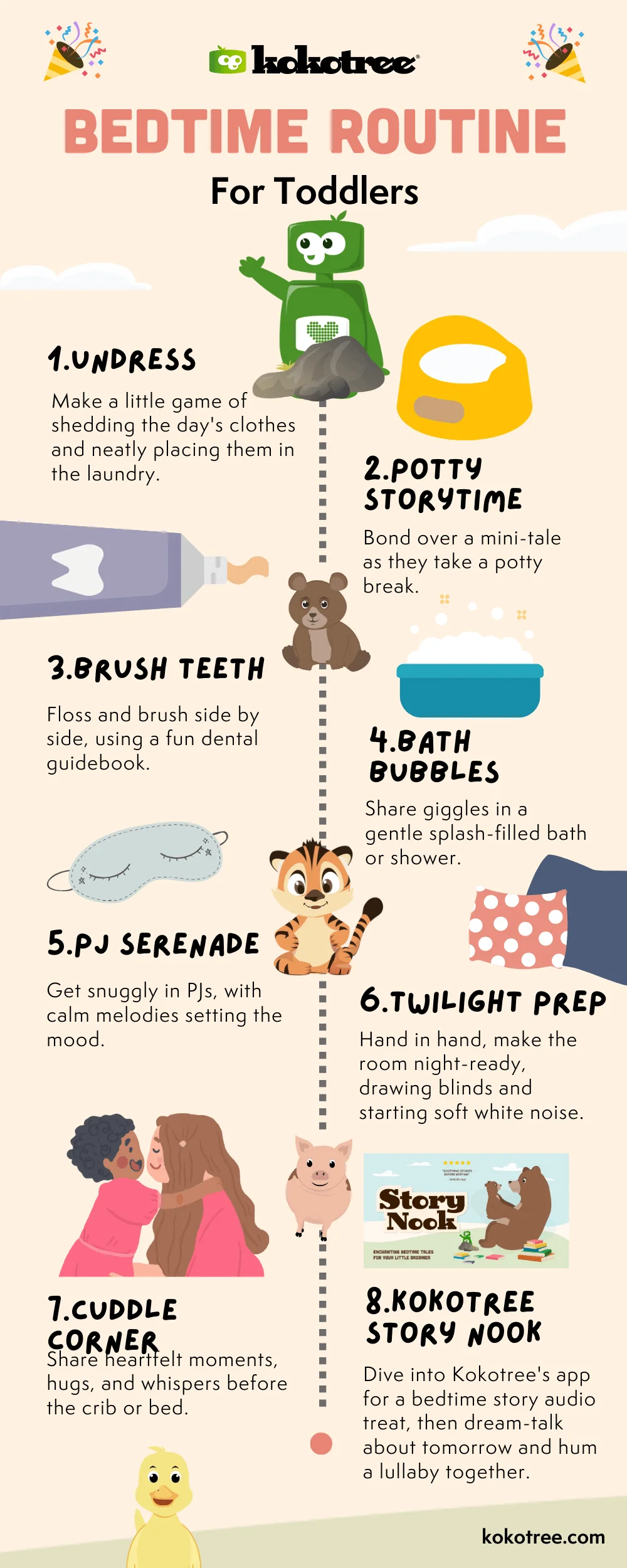
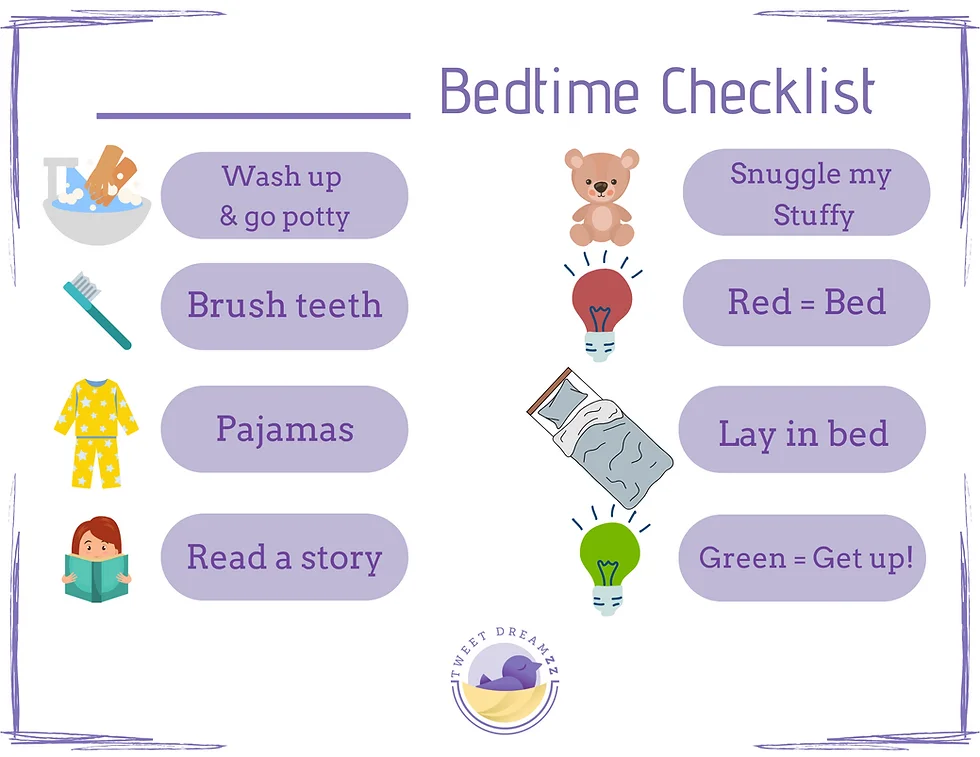
Starting with a warm bath can be incredibly effective in signaling to your toddler that the day is winding down. The warm water relaxes their muscles and can reduce restlessness. After the bath, a gentle massage or lotion application can add to the calming effect. Following up with teeth brushing and putting on pajamas sets a clear sequence of steps, helping your toddler know that bedtime is next.
Incorporating Quiet Play or Reading
Once clean and cozy, transition to low-key activities. Reading a favorite story together or engaging in quiet play supports bonding and helps shift your child’s focus from daytime excitement to relaxation. The soothing tone of your voice during storytime can calm an active mind and create comforting associations with bedtime. This part of the routine not only helps with sleep but enriches your relationship with your child.
Setting a Consistent Lights-Out Time
Perhaps the most critical element is maintaining a consistent lights-out time. Try to keep the same schedule every night, even on weekends, to regulate your toddler’s internal clock. A regular bedtime fosters predictability, reduces resistance, and enhances sleep quality. Stick to this schedule as closely as possible, gently reminding your child that bedtime is non-negotiable. Over time, this consistency will make bedtime smoother and quicker.
Tips to Overcome Common Resistance
Handling Toddler Tantrums at Bedtime
Bedtime resistance is a classic challenge many parents face. It’s normal for toddlers to protest routines as they test boundaries. When tantrums occur, remain calm and empathetic. Acknowledge their feelings but gently reinforce the routine. Distracting with a favorite book or singing a lullaby can help redirect their focus. Avoid giving in to demands that prolong bedtime, but also be flexible enough to adjust small parts of the routine if needed for comfort.
Adjusting the Routine Gradually
If your toddler is used to a very different schedule or habit, sudden changes might be met with pushback. Making adjustments in small steps—shifting bedtime by 10 to 15 minutes every few days—allows their body clock to adapt smoothly. Similarly, introducing new calming activities slowly helps your child feel more in control. Gradual change respects their developmental stage and reduces stress for everyone involved.
Monitoring Progress and Adjustments
Tracking Sleep Patterns Over Weeks
Once the new routine is in place, keep a simple diary or use a sleep tracking app to monitor how your toddler adjusts. Note bedtimes, wake times, and any nighttime awakenings. Tracking over a few weeks reveals patterns and highlights what’s working or needs tweaking. This ongoing observation ensures that your routine remains effective as your toddler grows and their sleep needs evolve.
When to Seek Professional Advice
Most sleep challenges can be resolved with a good routine, but sometimes professional help is necessary. If your toddler consistently struggles with falling asleep, wakes frequently during the night, or exhibits signs of sleep disorders such as sleep apnea or restless leg syndrome, consult a pediatrician or sleep specialist. Early intervention can prevent long-term issues and promote healthier sleep habits for your child’s overall well-being.


