
Introduction to Indoor Nature Exploration
Why Bring Nature Indoors?
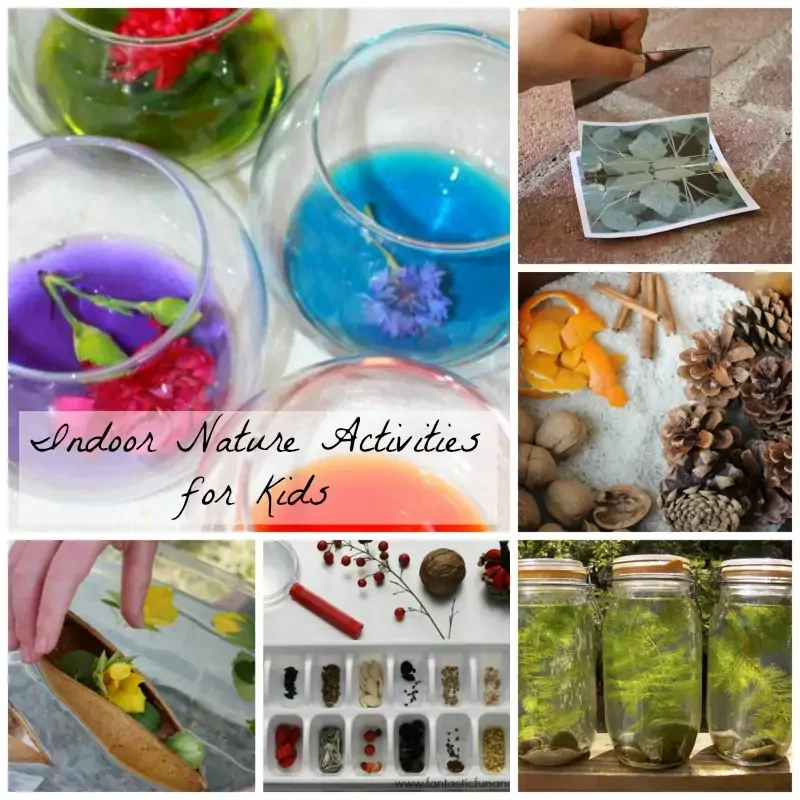
Indoor nature exploration offers an innovative way to connect children with the natural world, especially when outdoor access is limited. Bringing nature inside creates an accessible and controlled environment where kids can satisfy their curiosity. It helps bridge the gap between technology-driven indoor life and the wonder of the outdoors, making nature exploration feasible regardless of weather or location.
Benefits for Children’s Development
Engaging children with indoor nature activities supports cognitive growth, sensory development, and emotional well-being. These experiences foster curiosity, observation skills, and environmental awareness from an early age. Additionally, interacting with natural elements stimulates creativity and promotes a calming effect that contributes to better focus and reduced stress.
Essential Planning Considerations
Age-Appropriate Activity Selection
Tailoring activities to children’s age ensures engagement and safety. Younger children benefit from simple sensory activities involving touch and sight, while older kids can handle more complex tasks like cataloging plant species or insect behavior. Choose activities that challenge without overwhelming, accommodating varying attention spans and motor skills.
Safety Measures and Supervision
Safety is crucial when hosting indoor nature activities. Ensure all materials are non-toxic and appropriate for children. Set clear boundaries to prevent harm, especially around plants or insects. Adult supervision is essential to guide children, assist with tools, and intervene as needed to maintain a safe space.
Gathering Materials and Resources
Prepare by collecting necessary items such as magnifying glasses, small containers, plant pots, soil, seeds, and identification guides. Natural materials like leaves, rocks, and feathers can enhance the experience. Utilize household items to keep costs low and encourage resourcefulness.
Step 1: Creating a Nature-Inspired Indoor Environment
Setting Up Observation Stations
Designate specific areas where children can closely examine natural objects. These stations might include a table with microscopes or magnifying tools, containers with insects or leaves, and sensory bins filled with soil or water. Organizing space this way encourages focused exploration and reduces distractions.
Incorporating Natural Elements into Décor
Enhance the indoor setting by integrating plants, natural colors, and textures into the room. Hanging vines, wooden furniture, and nature-themed posters create an immersive backdrop. This ambiance fosters a connection with nature and makes the space inviting for discovery.
Step 2: Designing Engaging Nature Activities
Nature Scavenger Hunts
Create scavenger hunts tailored for indoor settings using natural items like pinecones, seeds, or various leaves. This activity combines movement with learning and observation. It encourages children to identify and differentiate natural objects while adding a playful challenge.
Indoor Planting and Gardening Projects
Small-scale planting projects teach children about plant life cycles and responsibility. Use easy-to-grow seeds and provide simple instructions for watering and care. Watching plants grow over time offers a tangible sense of accomplishment and deepens appreciation for nature’s processes.
Insect Exploration and Identification
Observing harmless insects in controlled settings can spark fascination and understanding of ecosystems. Provide magnifying glasses and identification charts to guide discovery. Emphasize kindness and respect for living creatures to build empathy and ethical awareness.
Step 3: Facilitating Learning and Interaction
Guided Discussions and Storytelling
Encourage children to share observations and experiences through discussions and stories. This practice enhances language skills and helps them process what they’ve learned. Use open-ended questions to stimulate thinking and connect facts with personal insights.
Hands-On Experiments and Observations
Involve children in simple experiments such as observing plant growth under different conditions or comparing textures of leaves. Hands-on activities promote critical thinking and reinforce scientific concepts by turning abstract ideas into tangible experiences.
Step 4: Wrapping Up and Reflection
Encouraging Children’s Feedback
Closing the session with reflection allows children to express what they enjoyed or found challenging. This insight helps tailor future activities and empowers kids by valuing their opinions. Feedback sessions also reinforce learning through verbalization.
Documenting Discoveries and Experiences
Encourage keeping records through drawings, photos, or simple notes. Documenting helps solidify knowledge and offers a creative outlet. It also creates a personal archive children can revisit, fostering long-term interest and memory retention.
Tips to Sustain Interest Beyond the Activity
Home Nature Journals
Suggest children maintain a nature journal to log observations and sketches from daily life. Journals support continuous exploration and help translate indoor lessons to the outdoors. They also develop writing and artistic skills over time.
Continuous Indoor Exploration Ideas
Promote ongoing nature discovery by introducing themes like weather observation, bird watching from windows, or creating simple terrariums. Keeping activities varied and connected to children’s interests maintains engagement and nurtures a lifelong curiosity.


