
Understanding Heat Damage: Causes and Symptoms
What Happens to Hair When Exposed to Heat
When hair is frequently exposed to high temperatures from tools like straighteners, curling irons, or blow dryers, its structure undergoes significant changes. Heat weakens the hair’s natural protein bonds, leading to a loss of moisture and elasticity. This not only affects the shine and smoothness but can also cause cuticles—the outer protective layer of hair strands—to lift or crack. As a result, hair becomes fragile and prone to breakage over time.
Identifying Signs of Heat-Damaged Hair
Recognizing heat damage early is crucial for effective repair. Some common signs include excessive dryness, split ends, brittleness, and a rough texture that lacks natural luster. You might notice frizz despite haircare efforts or difficulty maintaining hairstyles due to uneven texture. Once these symptoms appear, it indicates that your hair needs restorative care to regain health and vitality.
Benefits of Aloe Vera and Honey for Hair Health
Nutritional Components of Aloe Vera
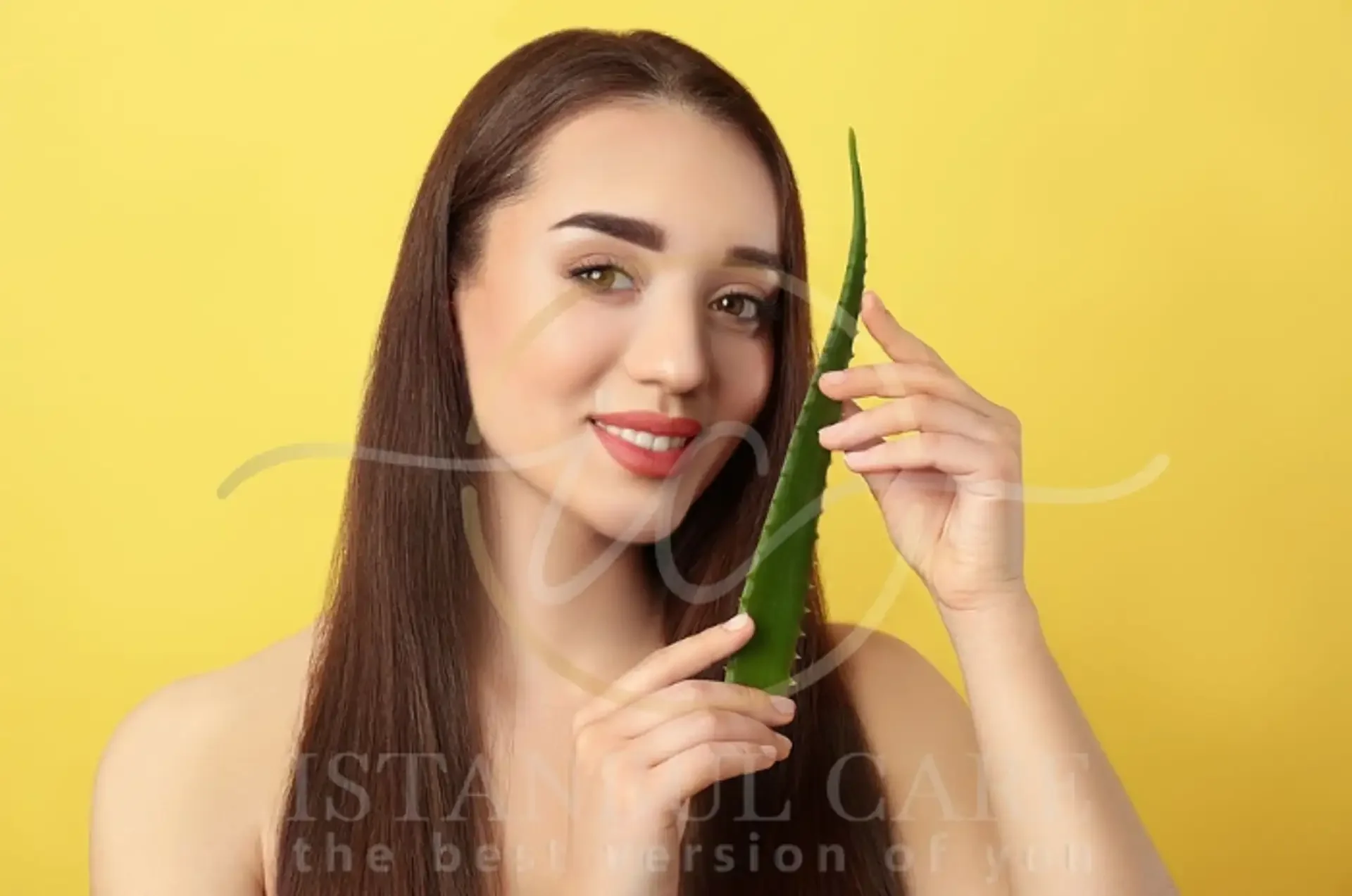
Aloe vera is renowned for its rich enzymatic and vitamin content, including vitamins A, C, and E, which promote cell turnover and repair. Additionally, it contains antioxidants and anti-inflammatory compounds beneficial for soothing the scalp and reducing irritation caused by heat stress. The moisturizing polysaccharides in aloe vera gel help replenish lost hydration, making hair strands softer and more resilient.
How Honey Acts as a Natural Moisturizer
Honey’s natural humectant properties play a pivotal role in hair health. It attracts and retains moisture from the environment, ensuring hair remains hydrated without becoming greasy. Moreover, honey is packed with nutrients such as vitamins, minerals, and antioxidants that nourish the scalp and hair follicles, aiding in repair and strengthening. Its antibacterial qualities also help maintain a healthy scalp environment, essential for hair growth and vitality.
Synergistic Effects of Aloe Vera and Honey Combined
When combined, aloe vera and honey create a potent treatment that addresses multiple aspects of hair damage. Aloe vera’s soothing and restorative qualities complement honey’s deep moisturizing effect. Together, they help seal in moisture, reinforce the hair cuticles, and protect the strands against further damage. This natural duo not only improves texture and shine but also supports long-term repair by nourishing hair from root to tip.
Preparation: Selecting Quality Ingredients
Choosing the Right Aloe Vera: Fresh vs. Store-Bought
For the best results, fresh aloe vera gel extracted directly from the plant is highly recommended. Fresh gel contains the highest concentration of active enzymes and nutrients without additives or preservatives. However, if fresh aloe is not available, opt for a pure, organic store-bought aloe vera gel. Ensure it has minimal ingredients and no artificial fragrances, as these can irritate the scalp or reduce treatment effectiveness.
Types of Honey Best Suited for Hair Treatment
Raw, unprocessed honey is the ideal choice for hair treatments due to its intact enzymes and nutrient profile. Manuka honey is prized for its potent antibacterial properties, while wildflower honey offers a broad spectrum of antioxidants. Avoid highly processed or pasteurized honey, as these undergo heating that diminishes their natural benefits. Selecting high-quality honey ensures maximum nourishment and moisture retention during your hair repair routine.
Step-by-Step Aloe Vera and Honey Treatment Routine
Step 1: Extracting Aloe Vera Gel at Home
Begin by cutting a mature aloe vera leaf near its base. Rinse it thoroughly to remove debris, then carefully slice off the spiky edges and peel back the outer green layer. Use a spoon to scoop out the clear gel inside. To ensure smooth application, blend the gel gently until it forms a consistent, jelly-like texture. Store any excess in an airtight container refrigerated for up to a week.
Step 2: Creating the Perfect Honey and Aloe Mixture
Combine two tablespoons of homemade aloe vera gel with one tablespoon of raw honey in a small bowl. Mix thoroughly to achieve a uniform blend. This ratio balances the moisturizing and nourishing effects without making the treatment overly sticky or difficult to apply. For added benefits, you can mix in a few drops of essential oils like lavender or rosemary to promote scalp health and relaxation.
Step 3: Application Techniques for Optimal Absorption
Section your hair to ensure even distribution of the treatment. Apply the aloe vera and honey mixture slowly from root to tip, focusing especially on damaged ends. Massage gently into the scalp to stimulate blood circulation, which supports hair growth. After fully coating your hair, cover it with a shower cap or warm towel to create a slight heat barrier that enhances ingredient penetration.
Step 4: Recommended Treatment Duration and Frequency
Leave the treatment on for 30 to 60 minutes to allow deep absorption. Rinse it out thoroughly with lukewarm water, avoiding harsh shampoos immediately afterward to preserve the moisturizing effects. For best results, repeat this routine once or twice a week depending on damage severity. Consistency over several weeks is key to seeing significant improvement in hair texture and strength.
Complementary Practices to Support Hair Repair
Protecting Hair from Future Heat Damage
While natural treatments help repair, preventing further damage is equally important. Limit the use of heat styling tools and always apply a heat protectant spray before styling. Wearing loose hairstyles and avoiding tight ties reduce stress on fragile strands. Additionally, try air-drying hair when possible and opt for cooler settings on dryers to minimize heat exposure.
Diet and Hydration Tips for Strengthening Hair
Healthy hair growth starts from within. A balanced diet rich in vitamins A, C, D, E, biotin, and omega-3 fatty acids nourishes hair follicles and promotes strong strands. Drink plenty of water to keep your scalp hydrated and flush out toxins. Incorporating foods such as nuts, leafy greens, eggs, and fish supports hair strength and elasticity, complementing your external treatment efforts.
Monitoring Progress and Adjusting Your Routine
How to Track Hair Improvement Over Time
Keep a hair journal or take periodic photos to notice changes in texture, shine, and manageability. Pay attention to reduced breakage and improved softness as indicators of progress. Adjust the frequency or components of your treatment if results plateau or if your hair’s condition changes. Listening to your hair’s needs ensures the routine remains effective and responsive to its restoration journey.
When to Seek Professional Advice
If your hair does not show improvement after several weeks or experiences increased shedding, it may be time to consult a dermatologist or hair specialist. Professionals can assess underlying scalp conditions, recommend advanced treatments, or guide you toward clinical solutions alongside natural care. Early intervention helps prevent permanent damage and supports overall scalp health.


