
Why Scheduling Breaks is Crucial for Remote Work Success
The Science Behind Breaks and Productivity
When working remotely, staying productive can feel like a constant battle against distractions and fatigue. However, research shows that taking regular breaks isn’t just a nice-to-have; it’s essential for maintaining mental clarity and output. Our brains aren’t designed to maintain peak focus for hours on end. Instead, they benefit from brief pauses, which help refresh cognitive resources, reduce stress, and prevent burnout.

Studies in neuroscience reveal that these short interruptions can improve decision-making, creativity, and overall efficiency. Without breaks, our concentration wanes, leading to mistakes and slower task completion. By understanding the science behind why breaks work, remote workers can harness these natural cycles of focus and rest to optimize their performance.
Mental and Physical Benefits of Regular Breaks
The advantages of regularly scheduled breaks extend beyond just mental sharpness. Sitting in one place for too long, a common scenario in remote work, can cause physical discomfort and long-term health issues. Taking breaks encourages movement, which helps reduce muscle stiffness, eye strain, and fatigue. This physical reset contributes to feeling more energized throughout the day.
On the mental side, breaks provide moments to decompress, lowering stress and preventing feelings of overwhelm. They can serve as mental mini-vacations, allowing the mind to wander or engage in relaxing activities that recharge focus. Recognizing these combined benefits helps remote workers appreciate why breaks are not interruptions but strategic tools for success.
Assessing Your Workload to Plan Effective Breaks
Identifying High-Intensity Tasks
Not all work is created equal. Some tasks demand intense concentration and problem-solving, while others are more routine. Understanding which parts of your workload require high cognitive effort is the first step in scheduling effective breaks. These demanding tasks quickly drain mental energy, making it important to intersperse them with rest periods.
By identifying when you are tackling challenging projects, you can time your breaks to come right after, allowing your brain to recover and absorb information. This prevents mental fatigue from accumulating and helps maintain productivity throughout the day.
Allocating Breaks Based on Task Complexity
Once you’ve mapped out your workload, planning breaks becomes more strategic. Longer or more complex tasks should be followed by slightly longer breaks to give your mind enough time to reset. On the other hand, lighter tasks might only require brief pauses.
Pay attention to how your energy fluctuates during certain activities. If you notice a dip in concentration during a long meeting or after hours of coding, that’s your cue to schedule meaningful downtime. Customizing your break schedule to fit the ebb and flow of your tasks ensures you’re not taking breaks arbitrarily but aligning them with your workload’s demands.
Create a Customized Break Schedule to Maximize Focus
Different Scheduling Techniques: Time-Blocking, Pomodoro, and Ultra-Productive Breaks
There are many ways to structure breaks, and finding the one that fits your style and tasks is key. Time-blocking breaks your day into set segments with dedicated focus and rest periods. This method helps maintain a steady rhythm and prevents burnout.
The Pomodoro Technique is another popular approach. It encourages 25 minutes of focused work followed by a 5-minute break, repeated in cycles. This method helps sustain high energy in short bursts, ideal for tasks that require intense attention.
More recently, the idea of ultra-productive breaks has gained traction. These breaks involve engaging in activities proven to boost creativity and energy, such as light exercise or meditation, rather than simply stepping away. Experimenting with these techniques allows you to create a schedule tailored to your specific needs and preferences.
Tools and Apps to Help You Stay on Track
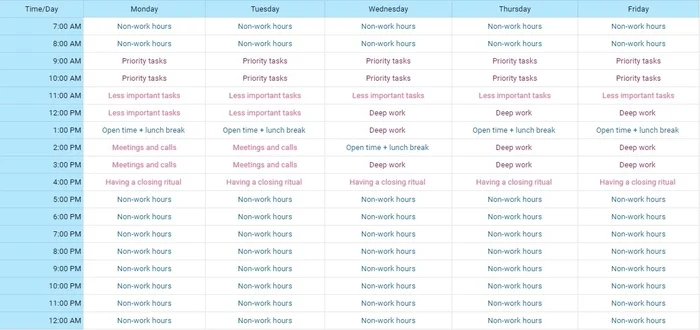
Technology can be a great ally when managing break schedules. Numerous tools and apps are designed to remind you when it’s time to step away from your screen. For example, apps based on the Pomodoro Technique automate the cycle of work and rest, freeing your mind from tracking time.
Other apps offer customizable reminders and suggest different break activities to keep things fresh. Some even track your productivity patterns, helping you fine-tune your breaks over time. Using these digital aids can make the process seamless and more consistent, especially when you’re juggling multiple responsibilities.
Implementing Breaks Without Losing Momentum
Best Practices for Transitioning In and Out of Breaks
One of the biggest challenges in taking breaks is the fear of losing momentum or getting distracted. To counter this, it helps to have a clear routine around how you start and end breaks. Before stepping away, jot down where you left off or what the next step is. This simple action creates a mental bookmark, making it easier to resume work smoothly.
When returning from a break, take a minute to review your notes or reflect on the task at hand. This helps your brain switch gears back into focus mode. By cultivating these habits, you maintain flow without sacrificing the rejuvenation breaks provide.
Minimizing Distractions During Break Time
Breaks are meant to refresh, but they can easily get derailed by distractions like endless social media scrolling or work-related notifications. To keep breaks effective, treat them as intentional pauses, not just any downtime. Consider stepping away from your workspace entirely or using your break to engage in non-screen activities.
Setting boundaries, like turning off work emails or silencing notifications, can also help preserve the restorative quality of your break. The goal is to truly disconnect so you come back feeling renewed rather than drained.
Optimizing Break Activities to Recharge Effectively
Physical Movement vs. Mindful Relaxation
What you do during your breaks matters just as much as when you take them. Physical movement, such as stretching, walking, or simple exercises, helps combat the sedentary nature of remote work, boosts circulation, and invigorates the body. These activities stimulate creativity and energy, preparing you for the next work session.
On the flip side, mindful relaxation techniques like deep breathing, meditation, or listening to calming music can reduce stress and restore mental balance. The best approach often involves mixing these types based on your needs. Some breaks might call for energizing movement, while others require quiet reflection.
Recommended Micro-Activities That Boost Energy
Micro-activities are small, quick actions that can be performed during breaks to maximize their effectiveness. Examples include a few minutes of stretching, practicing gratitude journaling, stepping outside for fresh air, or doing a brief mindfulness exercise. These activities don’t demand much time but can have a powerful impact on your mood and alertness.
Incorporating a variety of micro-activities into your breaks keeps things interesting and ensures your breaks are genuinely restorative rather than just pauses in sitting.
Measuring the Impact of Your Break Schedule
Tracking Productivity Changes Over Time
Creating a break schedule is only half the battle. To ensure it’s working, it’s important to monitor how your productivity and well-being change over days and weeks. This can be as simple as noting how you feel after work sessions, the quality of your output, or your ability to sustain focus.
Some use journaling or productivity apps to track patterns, which helps identify which break timing and activities yield the best results. This ongoing self-assessment empowers you to fine-tune your approach rather than sticking rigidly to a schedule that may not fit your evolving needs.
Adjusting Your Break Strategy for Long-Term Success
Your ideal break schedule may shift depending on workload, stress levels, and personal circumstances. Stay flexible and willing to adjust if you find certain breaks too short, too long, or poorly timed. The key is to balance consistency with responsiveness to how your body and mind respond.
Listening to yourself, being patient, and experimenting with different rhythms are crucial for developing a sustainable routine that supports remote work efficiency in the long run.


