
Why Choose a Family Garden for Screen-Free Activities?
Benefits of Outdoor Gardening for Families
In today’s digital-heavy world, families often struggle to find meaningful ways to disconnect from screens and spend time together. Starting a family garden offers a valuable solution by encouraging everyone to step outside and engage in a hands-on activity. Gardening promotes physical movement, fresh air, and sunlight exposure, all of which contribute positively to mental and physical health. The shared project also brings a sense of accomplishment and pride as the family watches their plants grow over time.
How Gardening Encourages Bonding and Learning
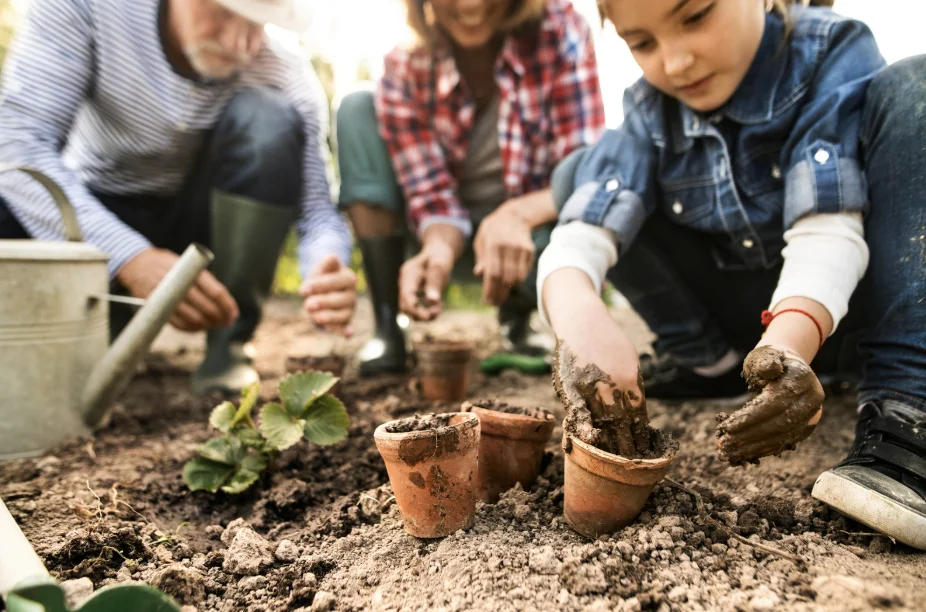
Beyond the physical benefits, gardening offers numerous opportunities for family bonding. Working side-by-side in the garden encourages communication and teamwork, nurturing relationships in a natural way. Children learn responsibility by caring for living things, while adults can share knowledge about nature, biology, and sustainability. This collaborative experience cultivates patience, curiosity, and a deeper appreciation for the environment, making screen-free time both educational and enjoyable.
Essential Planning Before You Dig In
Assessing Your Space and Sunlight
Before planting seeds or seedlings, it’s important to evaluate your available outdoor space carefully. Not all yards or balconies receive the same amount of sunlight, which is a crucial factor for a thriving garden. Observe your space throughout the day to see how many hours of direct sunlight it receives. Typically, most vegetables and flowers need at least six hours of sunlight, but some plants have lower light requirements. Understanding these conditions will guide your choices and increase your garden’s success.
Choosing the Right Plants for Your Family Garden
Selecting plants that match your local climate, soil type, and sunlight is the next important step. Start with easy-to-grow varieties like tomatoes, lettuce, herbs, or sunflowers, which are often well-suited for beginners and children. Also consider plants that your family enjoys eating or looking at—this adds motivation and excitement to the process. Consulting with local gardening centers or extension services can provide valuable recommendations tailored to your region.
Getting Everyone Involved: Assigning Roles and Tasks
Age-Appropriate Gardening Activities
Making gardening accessible and fun for family members of all ages ensures sustained interest. Young children can help with simple tasks like watering, picking ripe vegetables, or spreading mulch. Older kids and adults can take on more technical duties such as planting seeds, pruning, or managing pests. Assigning roles based on skill and enthusiasm helps build confidence and fosters a sense of ownership over the garden’s success.
Creating a Family Garden Calendar
To keep the garden thriving and everyone engaged, establish a family garden calendar listing watering days, planting schedules, and harvest times. This organizing tool helps manage chores effectively and avoids missing important care moments. Including family members in setting the calendar promotes accountability and encourages regular participation without feeling like a burden.
Step-by-Step Guide to Starting Your Family Garden
Preparing the Soil and Tools Needed
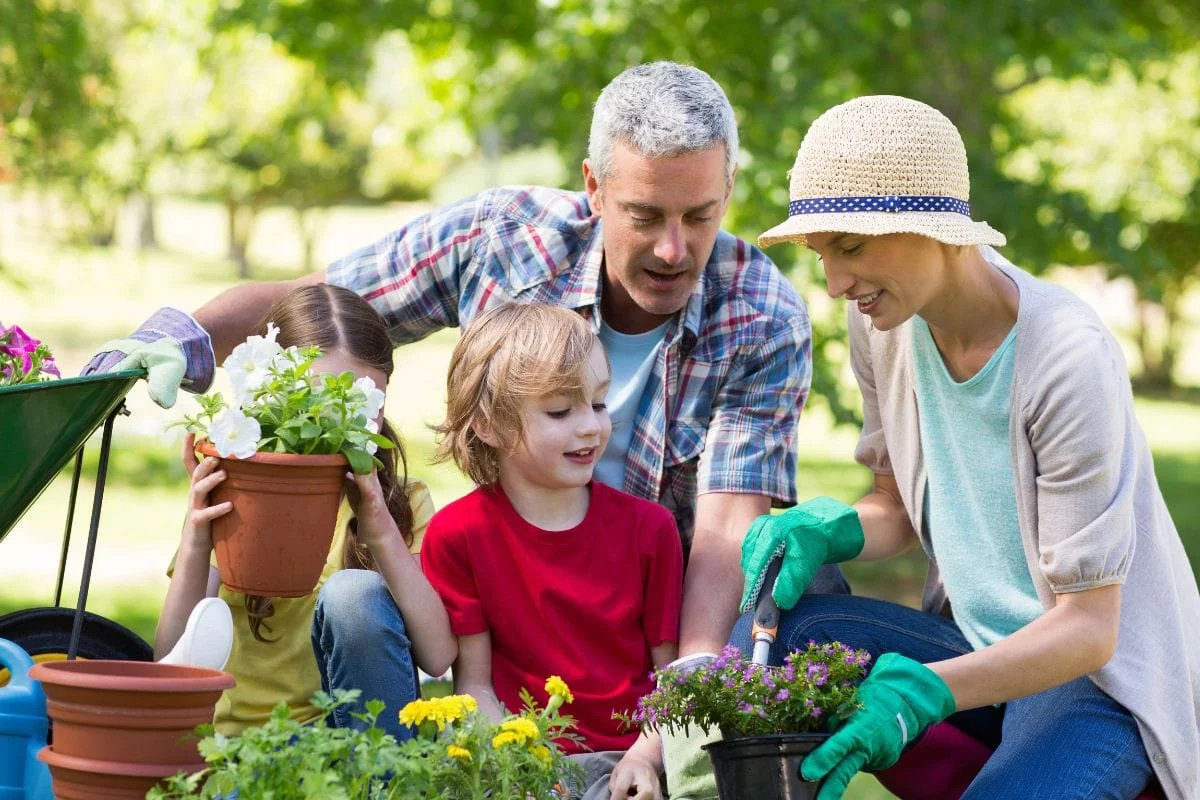
Start by clearing the chosen area of weeds and debris. Loosen the soil with a spade or fork to create a healthy environment for roots to grow. Adding compost or organic matter improves soil fertility and moisture retention. Gather basic gardening tools such as gloves, trowels, watering cans, and containers for seeds to keep the process organized and smooth. Having the right tools ready before planting saves time and reduces frustration.
Planting Seeds and Seedlings Together
Next, involve everyone in planting seeds or transplanting seedlings. Follow seed packet instructions regarding depth and spacing to ensure proper growth. Making this a family event encourages teamwork and allows children to better understand the growth cycle. Labeling plants can add an educational element and help keep track of different varieties. Planting as a group fosters anticipation and shared responsibility.
Watering, Weeding, and Garden Maintenance Tips
Consistent care is essential for a flourishing garden. Set a routine for watering, ideally in the early morning or late afternoon to minimize water evaporation. Teach children to recognize weeds and gently remove them before they take over. Regularly check for signs of pests or disease and act promptly to prevent spread. Using organic mulches conserves moisture and suppresses weeds naturally. Maintaining the garden together keeps everyone invested and attentive.
Making the Most of Your Screen-Free Garden Time
Fun Garden Activities and Challenges for Kids
To keep children engaged and excited, incorporate games and challenges related to gardening. For example, you can hold a “best plant growth” contest or a scavenger hunt to find insects and identify leaves. These activities add a playful aspect that makes time outside feel like a rewarding adventure rather than a chore. They also stimulate observation skills and creativity.
Using the Garden as an Educational Tool
The garden offers endless learning opportunities. Use it as a living classroom to teach children about the life cycle of plants, photosynthesis, soil health, and the importance of pollinators. Incorporating books or simple experiments related to gardening can deepen understanding and create curiosity about science and nature. This approach turns screen-free time into an intellectually enriching experience.
Troubleshooting: Common Gardening Challenges and Solutions
Dealing with Pests and Plant Diseases Naturally
Pests and diseases can discourage beginners, but natural remedies often work well when applied promptly. Encourage family members to observe plants closely and look for early warning signs like holes in leaves or discoloration. Introducing beneficial insects such as ladybugs or using homemade sprays made from garlic or neem oil can control common pests without harmful chemicals. Regular garden cleaning and crop rotation also help maintain plant health.
Handling Weather and Environmental Factors
Gardening is heavily influenced by weather conditions. Teach the family to prepare for extremes, such as covering plants during frost or providing shade on hot days. Mulching helps regulate soil temperature and retain moisture. In case of heavy rain, ensure proper drainage to avoid waterlogged roots. Understanding how to adapt to the environment trains the family to be resilient gardeners.
Harvesting and Enjoying the Fruits of Your Labor
Best Practices for Harvesting Together
Harvesting is one of the most rewarding parts of gardening and can be a celebratory event. Teach the family how to pick fruits and vegetables at the right time to enjoy peak freshness and flavor. Use sharp scissors or garden shears to avoid damaging plants, and handle produce gently. Harvest sessions offer moments to reflect on the hard work and patience invested throughout the growing season.
Creative Ways to Use Garden Produce as a Family
Once harvested, explore fun ways to use your garden bounty together. Cooking meals with fresh vegetables or herbs encourages healthy eating habits and deepens the connection between garden and table. Try simple recipes that children can help prepare, turning kitchen time into another screen-free bonding activity. You might also consider preserving produce through drying, freezing, or making jams to extend the enjoyment.


