
Understanding Time Blocking: Basics and Benefits
What is Time Blocking?
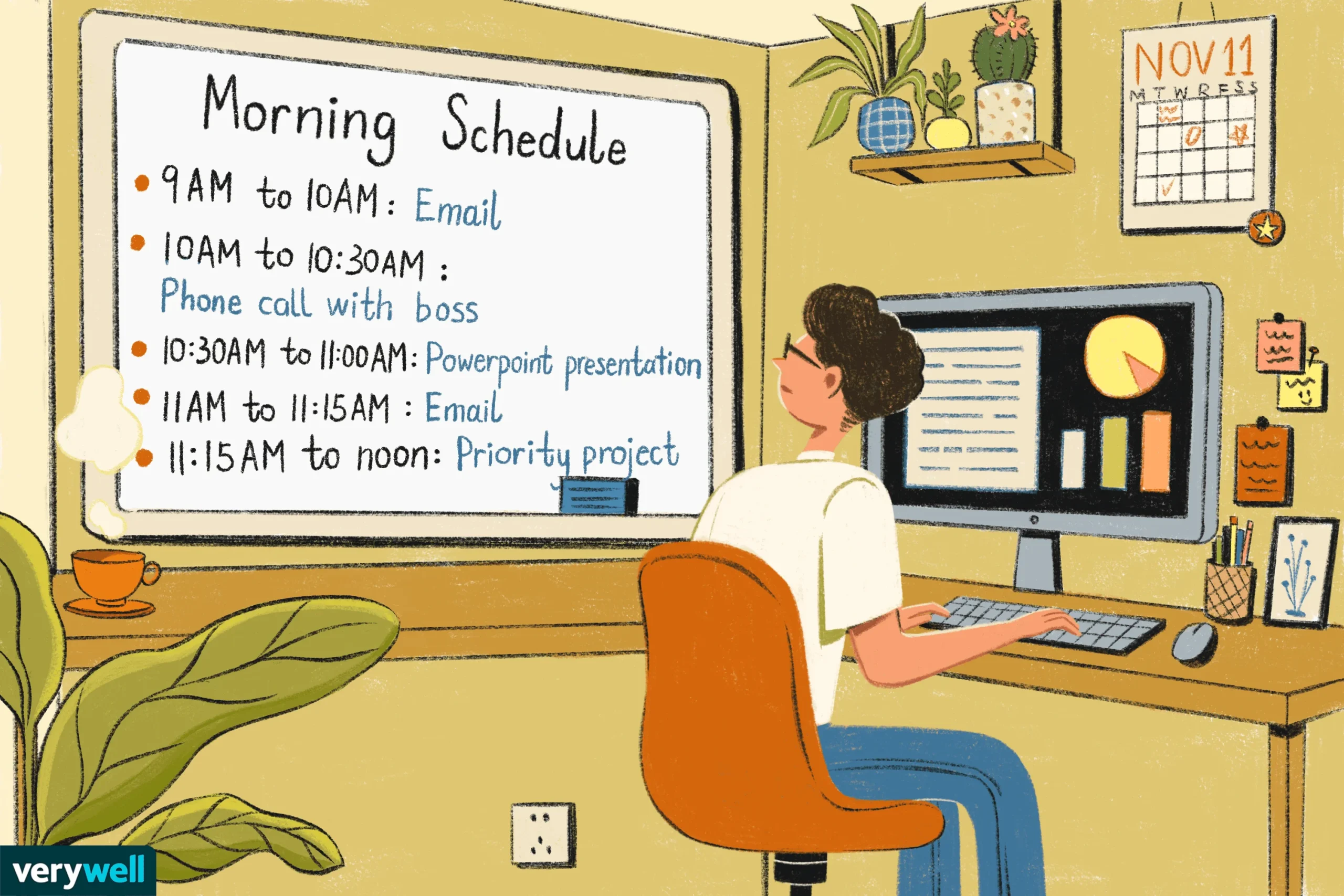
Time blocking is a scheduling method where you divide your day into dedicated blocks of time, each assigned to a specific task or group of tasks. Unlike traditional to-do lists that focus on what needs to be done, time blocking emphasizes when tasks should be completed. This structured approach helps prevent multitasking and encourages focused work by setting clear boundaries on how much time is allocated to each activity.
Why Time Blocking Works for Work and Home Management
Balancing work responsibilities and home tasks often leads to overwhelm and inefficiency. Time blocking provides a visual structure that highlights how your day is divided, making it easier to manage competing demands. By assigning specific times for work projects and household chores, you reduce decision fatigue and increase accountability. This method helps ensure important tasks are not overlooked and allows for smoother transitions between professional and personal responsibilities.
Common Misconceptions About Time Blocking
Many assume time blocking requires rigid adherence to a minute-by-minute schedule or that it stifles flexibility. In reality, time blocking is adaptable and meant to guide your day rather than control every second. Another misconception is that it’s only beneficial for people with highly structured jobs, but it can improve time management for anyone juggling multiple roles. Understanding these truths is key to successfully incorporating time blocking into your daily routine.
Preparation for Effective Time Blocking
Assessing Your Current Schedule and Tasks

Before you can effectively block your time, it’s crucial to understand how you currently spend your day. Take a few days to track your activities, noting both work and home tasks, including downtime and distractions. This assessment uncovers patterns such as procrastination or unexpected interruptions that can derail your plans. Without this insight, time blocking risks being unrealistic or ineffective because it ignores actual daily demands.
Identifying Priority Areas Between Work and Home
Once you have a clear picture of your schedule, the next step is prioritization. Determine which tasks hold the most significance or have urgent deadlines, whether at work or home. Often, urgent work projects may clash with important family obligations or self-care. Clarifying your priorities helps in creating time blocks that reflect real needs, making sure critical tasks receive adequate focus while preventing burnout from neglecting personal time.
Tools and Apps to Facilitate Time Blocking
Manual planners and digital calendars both support time blocking, but leveraging tools can streamline the process. Calendar applications like Google Calendar or Microsoft Outlook enable easy adjustments and reminders. Specialized apps like Clockwise or TimeBloc offer features tailored to time blocking, such as automatic scheduling and visual block layouts. Choosing the right tool depends on your preferences and the complexity of your schedule, yet any solution that promotes clarity and flexibility will enhance your time blocking success.
Step-by-Step Process to Implement Time Blocking
Step 1: List and Categorize Your Tasks
Begin by exhaustively listing all tasks you need to manage, from work assignments to household duties. Group these tasks into categories like meetings, focused work, errands, family time, and self-care. Categorization clarifies where your energy should go and aids in allocating proportional time blocks. Without this step, blocked schedules can become imbalanced, leading to neglected areas or wasted time.
Step 2: Set Time Blocks for Work Responsibilities
Schedule your work tasks first since they often have fixed deadlines and predefined durations. Assign blocks for meetings, deep work, and routine duties, aligning them with your natural productivity peaks if possible. For instance, prioritize high-focus work during your most alert hours. Avoid overloading these blocks; unrealistic time estimates cause frustration and spillover that disrupts the rest of your schedule.
Step 3: Allocate Time for Home and Personal Tasks
Next, dedicate blocks to home responsibilities such as cooking, cleaning, and family interactions. Equally important is scheduling personal time for rest or hobbies. Balancing these with work blocks prevents the common issue of neglecting personal needs when work demands surge. Creating clear boundaries around home tasks also signals to others when you are available or focused, reducing interruptions.
Step 4: Scheduling Breaks and Buffer Periods
Ignoring breaks is a frequent pitfall of time blocking. Scheduling short breaks helps maintain focus and prevents burnout. Additionally, buffer periods accommodate unexpected events or task overruns, providing flexibility within the rigid structure. Without buffers, even minor disruptions can derail your entire day. Recognizing breaks and buffer times as part of your schedule ensures sustainable productivity.
Step 5: Reviewing and Adjusting Your Blocks Weekly
Time blocking should be dynamic, evolving as tasks and priorities shift. Setting weekly reviews allows you to analyze what worked and what didn’t, making adjustments accordingly. This reflection helps identify if certain blocks are consistently too long or short and if you need to reallocate time between work and home tasks. Ongoing optimization keeps the system relevant and effective rather than a rigid obligation.
Maximizing Productivity with Time Blocking
Combining Time Blocking with Other Productivity Methods
To enhance effectiveness, integrate time blocking with complementary strategies like the Pomodoro Technique or task batching. For example, use Pomodoro intervals within a blocked work session to sustain focus. Batching similar tasks into one time block minimizes context switching. These hybrid approaches address common time management challenges, making your schedule more actionable and reducing inefficiencies.
Tips to Avoid Common Time Blocking Pitfalls
One major challenge is underestimating task durations, which causes blocks to overflow. Combat this by overestimating slightly and including buffer time. Another mistake is neglecting flexibility; rigid adherence can lead to frustration when unexpected demands arise. It’s important to view the schedule as a smart guideline rather than an unbreakable rule. Lastly, ensure you regularly update your blocks to prevent stale or irrelevant plans from impairing your productivity.
How to Stay Committed to Your Time Blocks
Commitment to your schedule requires accountability. Set reminders, communicate your blocks to household members or coworkers, and develop rituals that signal work or personal time begins. Tracking completed blocks can also boost motivation, giving a tangible sense of accomplishment. Remember that consistency builds habits, and over time, sticking to your blocks will become more natural and rewarding.


