
Introduction to Journaling for Mental Clarity
The Power of Writing to Organize Thoughts
Journaling is a simple yet powerful tool to bring clarity to a cluttered mind. By putting thoughts on paper, you create a tangible space to reflect, analyze, and prioritize. This act of writing helps untangle confusing ideas, making them easier to understand and manage.
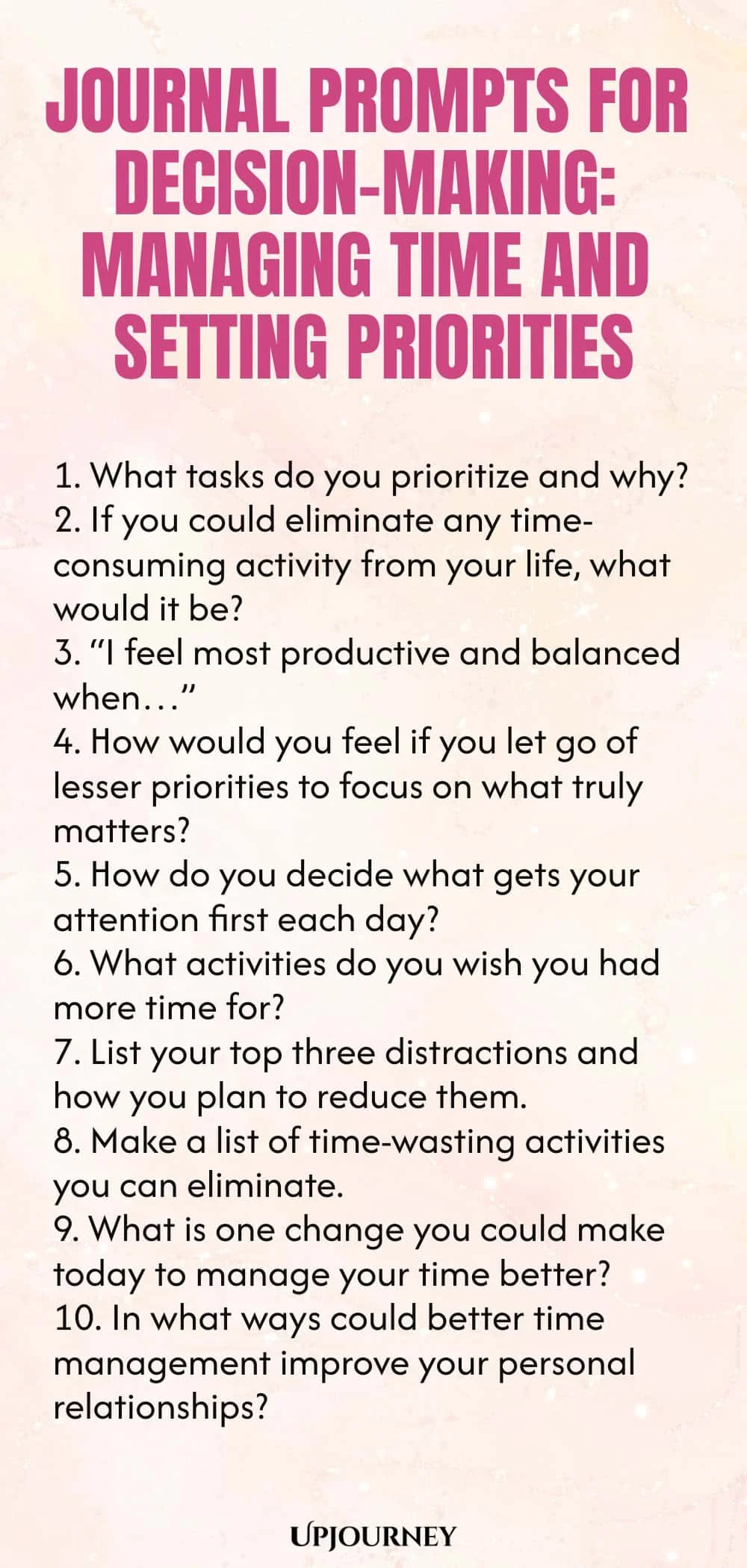
How Journaling Enhances Decision Making
Decision making often suffers when your mind is overwhelmed or distracted. Journaling allows you to slow down and examine the factors influencing your choices. It encourages deliberate thinking, enabling better evaluation of options and more confident conclusions.
Preparing for Your Journaling Journey
Choosing the Right Medium: Digital vs. Traditional
Selecting your journaling medium depends on your preferences and lifestyle. Digital tools offer convenience and searchability, while traditional notebooks provide tactile satisfaction and fewer distractions. Consider how you engage with each and choose what feels most natural to sustain your practice.
Setting a Comfortable and Distraction-Free Environment
A quiet, inviting space improves focus during journaling. Find a spot where interruptions are minimal. Whether it’s a cozy corner or a dedicated desk, this environment will encourage uninterrupted reflection and deeper thought.
Step-by-Step Journaling Prompts to Begin Organizing Your Mind
Identifying Your Current Thought Patterns
Start by writing freely about what’s occupying your mind. Notice recurring themes or worries. Ask yourself: What thoughts come up most often? Which ideas feel overwhelming?
Breaking Down Complex Problems into Manageable Parts
Next, choose one challenge or decision to explore. Write it down clearly, then divide it into smaller components. Consider asking: What are the key factors? What information do I need? This approach reduces anxiety by making problems less daunting.
Exploring Emotions Behind Your Decisions
Emotions often influence choices subconsciously. Reflect on how you feel about the situation. Are there fears, hopes, or biases affecting your judgment? Acknowledging these emotions helps separate feelings from facts, leading to more balanced decisions.
Advanced Prompts to Sharpen Decision Making Skills
Evaluating Pros and Cons with a Structured Approach
Create a detailed list of advantages and disadvantages for your options. Writing them side by side clarifies trade-offs and highlights which factors matter most. This structured evaluation reduces impulsivity and promotes rational analysis.
Visualizing Potential Outcomes and Their Impact
Imagine the possible results of each choice. How will each outcome affect your life, relationships, or goals? Putting these scenarios into words prepares you mentally and uncovers consequences you might overlook otherwise.
Reflecting on Past Decisions to Learn and Grow
Look back at previous decisions and journal about what worked and what didn’t. Consider what insights you gained and how you might approach similar situations differently. This reflective practice builds wisdom and confidence over time.
Incorporating Journaling Into Daily Routine
Setting Timeframes and Frequency for Consistency
Consistency is key to reaping journaling’s benefits. Decide on a frequency that suits you, whether daily, several times a week, or weekly. Even five to ten minutes regularly can improve mental clarity and decision-making skills.
Using Prompts to Maintain Focus Over Time
Prompts keep your journaling focused and purposeful. Rotate between identifying thoughts, analyzing problems, and reflecting on decisions to maintain engagement. Tailoring prompts to your current concerns ensures relevance and sustained motivation.
Conclusion: The Long-Term Benefits of Thoughtful Journaling
Journaling cultivates mindfulness, clarity, and better choices. Over time, this practice trains your brain to approach decisions with calm and insight. By consistently organizing your thoughts through journaling, you develop a valuable habit that supports personal growth and effective decision making throughout life.


