
Understanding the Challenges of Limited Kitchen Access in Hotels
Common Limitations Faced by Travelers
Staying in hotels without full kitchen facilities can make mealtime feel like a hassle. Many travelers find themselves contending with just a mini-fridge, a microwave, or sometimes no cooking appliances at all. The lack of a stove or oven restricts the ability to prepare fresh meals from scratch, forcing people to rely on convenience foods or takeout. This can be even more challenging during longer stays where eating out for every meal quickly becomes expensive and unhealthy.

Impact on Nutritional Choices
Without adequate kitchen access, maintaining balanced nutrition often takes a backseat. Most quick food options available at hotels or nearby eateries tend to be high in sodium, sugar, and unhealthy fats. For those mindful of their dietary goals, this limited choice can lead to frustration and unhealthy eating habits. Over time, this can affect energy levels, digestion, and overall well-being, making it essential to find ways to incorporate nutritious meals despite these constraints.
Pre-Trip Planning for Nutritious Eating
Researching Hotel Amenities and Nearby Food Options
Before packing your bags, spend some time researching the hotel and its amenities. Some hotels offer rooms with kitchenettes or at least a microwave and fridge, which can make a huge difference. Additionally, look into nearby grocery stores, health food markets, or restaurants that offer fresh and wholesome options. Knowing what’s around ensures you won’t be caught off guard and helps you plan your meals more effectively.
Packing Smart: Portable Tools and Ingredients
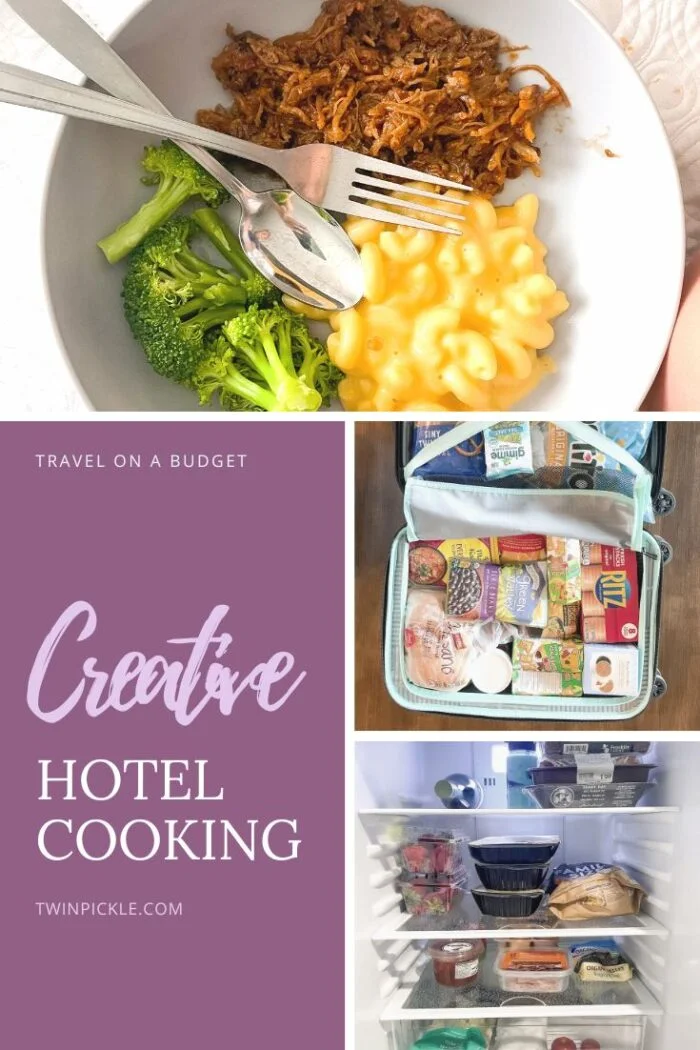
You don’t need a full kitchen to make simple, healthy meals. Packing a few portable tools, like a small electric kettle, a travel blender, or even a manual food chopper, can elevate your cooking options. Bringing along basic ingredients such as spices, single-serve nut butters, instant oats, or pre-portioned nuts is also a smart move. These items take up little space but add variety and nutrition to your meals.
Smart Grocery Shopping and Meal Prep Hacks
Choosing Nutritious, Non-Perishable Foods
When shopping in a new city, focus on picking wholesome non-perishable foods that don’t require refrigeration or complex preparation. Items like canned beans, whole grain crackers, dried fruits, and nuts can be the backbone of quick, nutritious meals. Fresh produce that lasts, such as apples, carrots, or cucumbers, also makes great snacks or salad ingredients.
Using Hotel Room Appliances Creatively
Even with just a microwave or kettle, there are ways to prepare healthy meals. For example, steaming vegetables in the microwave or making oatmeal with hot water is simple and nourishing. Cold meals, like salads or overnight oats, become more viable too. Understanding how to maximize these appliances takes some creativity but can significantly improve your diet while on the road.
Leveraging Local Resources to Maintain a Healthy Diet
Exploring Grocery Stores, Farmer’s Markets, and Health Food Shops
One of the joys of travel is discovering local food culture. Visiting grocery stores and farmer’s markets not only helps you find fresh, seasonal produce but also connects you with local specialties. Health food shops often stock convenient, healthy snacks and meal components tailored to wellness-minded consumers. These options allow you to eat well without relying solely on your hotel facilities.
Ordering Wisely from Room Service and Local Restaurants
When cooking isn’t an option, ordering from local eateries is inevitable. The key is to choose dishes that are rich in vegetables, lean proteins, and whole grains. Avoid fried or heavily processed items, and ask for dressings or sauces on the side. Many restaurants now cater to dietary preferences with healthy menu options, making it easier to stick to your nutrition goals even while dining out.
Maintaining Balance: Combining Convenience with Nutrition
Snack Ideas That Support Energy and Wellness
Snacking can be a powerful tool to maintain energy and avoid overeating at meals. Nutritious options like Greek yogurt, trail mix, fresh fruit, or whole grain crackers with hummus require little to no preparation and keep you feeling satisfied. Having these snacks readily available makes it easier to resist vending machine temptations or unhealthy convenience foods.
Hydration Strategies When On The Road
Hydration often gets overlooked when traveling, but it’s fundamental to overall health. Carrying a refillable water bottle helps ensure you drink enough fluids throughout the day. Avoid sugary drinks and excessive caffeine, which can dehydrate you. Infusing water with lemon or cucumber slices can make the habit more enjoyable, supporting digestion and energy.
Conclusion: Adapting Strategies for Consistent Healthy Eating on the Go
Eating nutritiously while staying in hotels with limited kitchen access is absolutely achievable with some foresight and flexibility. Planning ahead, embracing local food options, and being creative with the tools and ingredients at hand all empower you to maintain balanced meals. Remember, small adjustments and smart choices can make a significant difference, helping you feel great no matter where your travels take you.


