
Introduction to Road Trip Planning for Beginners
Embarking on a road trip offers an unparalleled sense of freedom and adventure. For beginners, however, the excitement can quickly turn into stress without proper preparation. Planning a road trip involves more than just picking a destination; it requires thoughtful packing, vehicle readiness, and a well-considered itinerary to avoid common pitfalls and ensure a smooth journey.
Why Proper Planning Matters
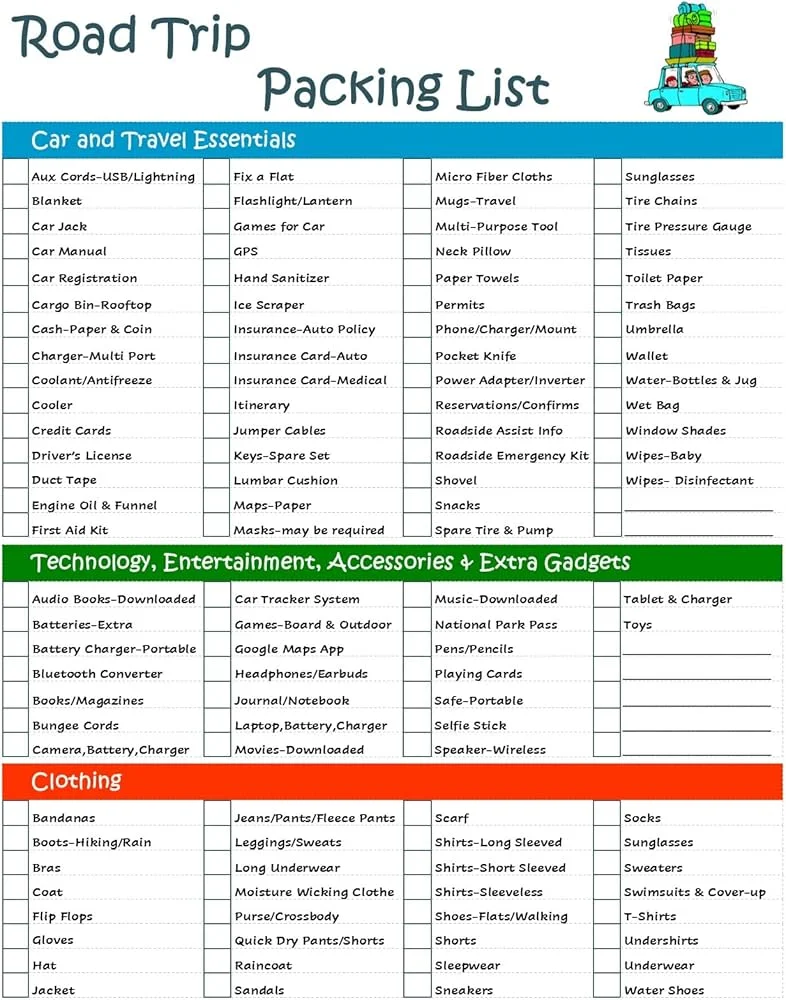
Proper planning is essential because it lays the foundation for a successful road trip. Without a plan, travelers risk forgetting crucial items, encountering car troubles, or running into unexpected expenses. A well-structured plan not only saves time and money but also reduces anxiety and increases enjoyment on the road. When you anticipate your needs and potential challenges, you can navigate your trip with confidence and focus on making memories.
Common Packing Mistakes to Avoid
Many new road trippers fall into typical packing traps such as overpacking, neglecting weather variations, or forgetting essential documents. Overpacking can lead to a cluttered vehicle, reducing comfort and safety. Skipping weather-appropriate clothes can leave you unprepared for sudden temperature changes. Lastly, forgetting items like your driver’s license, car registration, or roadside assistance info can cause avoidable delays. Awareness of these mistakes is the first step towards packing efficiently and traveling smart.
Step 1: Pre-Trip Essentials
Choosing Your Destination
Start your planning by selecting a destination that matches your interests, travel duration, and budget. Consider whether you prefer natural landscapes, urban environments, or a mix of both. Research the area’s highlights, local culture, and any seasonal factors that might affect your visit. Being realistic about how far you’re willing to drive each day helps keep the trip enjoyable rather than exhausting.
Setting Your Travel Budget
Budgeting early on helps you outline how much to allocate for fuel, accommodation, food, and activities. Factor in unexpected costs like tolls or vehicle maintenance to avoid surprises. Deciding on your budget will influence your choice of lodging, dining options, and sightseeing, guiding you towards a realistic and enjoyable trip plan. Prioritizing spending based on what’s most important to you can prevent financial stress on the road.
Step 2: Vehicle Preparation
Essential Vehicle Checks
Your vehicle is the heart of your road trip, so ensuring it’s in good condition is crucial. Start by checking tire pressure and tread depth to prevent blowouts. Inspect fluid levels including oil, coolant, and brake fluid to avoid mechanical failures. Testing lights and signals guarantees visibility and safety. If your car is due for regular maintenance, schedule a service prior to departure. These checks minimize the risk of breakdowns, keeping your trip on track.
Emergency Kit Must-Haves
Equipping your car with an emergency kit is a smart precaution. This kit should include jumper cables, a tire repair kit or spare tire, a flashlight with extra batteries, and basic tools. Adding items like a first aid kit, reflective triangles, and blankets prepares you for roadside emergencies or unexpected delays. Being prepared for emergencies not only promotes safety but also provides peace of mind while traveling.
Step 3: Packing Smart – A Practical Checklist
Clothing and Personal Items
Packing clothing for a road trip requires balancing comfort with versatility. Choose layers that adapt to varying temperatures and activities, such as breathable shirts, sweaters, and waterproof jackets. Include comfortable shoes for walking or hiking. Don’t forget personal care items like toiletries, medications, and travel documents, which are often overlooked but essential. Packing only what you need keeps your luggage manageable and your vehicle organized.
Technology and Entertainment Devices
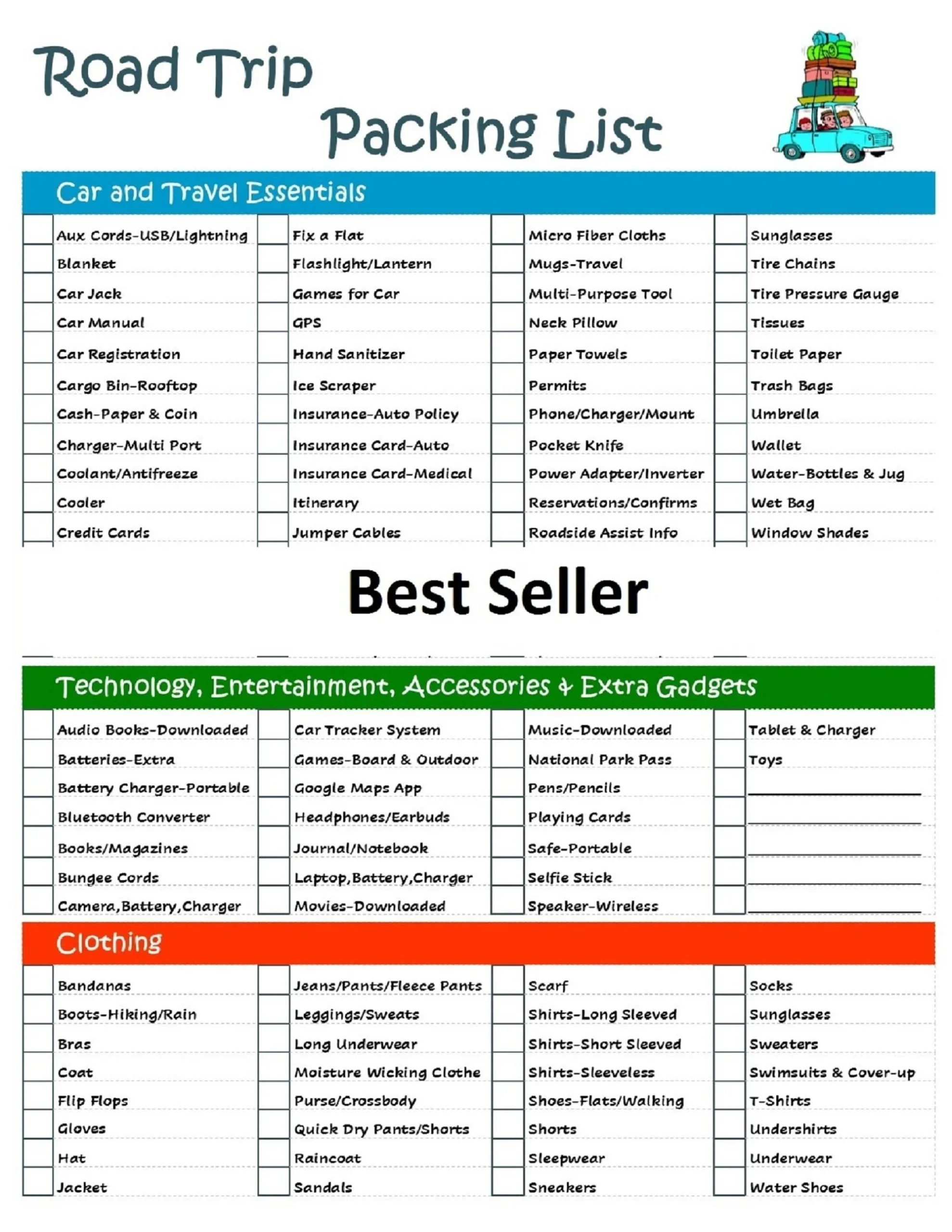
Technology can enhance your road trip experience by offering navigation, music, and communication options. Bring your phone with a car charger and download offline maps to stay connected where service may be spotty. Consider packing portable entertainment like audiobooks or playlists for long stretches. However, avoid over-reliance on devices that drain battery or distract from the road. Balancing technology use keeps you entertained without compromising safety.
Food and Hydration Tips
Staying fueled and hydrated is crucial on the road, especially during long drives. Pack a cooler with healthy snacks such as fruits, nuts, and sandwiches to avoid frequent fast-food stops. Bring plenty of water to stay hydrated, as dehydration can cause fatigue. Planning meal stops ahead of time helps you avoid last-minute decisions and ensures you eat well throughout your journey. Smart food choices contribute significantly to your overall comfort and energy.
Step 4: Planning the Route
Using Maps and GPS Effectively
Modern GPS devices and smartphone apps simplify navigation but it’s wise to supplement technology with physical maps. Pre-plan your route considering scenic detours and traffic conditions. Mark points of interest, gas stations, and rest areas along the way. Download offline maps in case of signal loss to avoid getting stranded. Combining digital tools with manual backups guarantees smoother navigation and less stress.
Scheduling Rest Stops and Overnight Stays
A well-paced itinerary includes regular breaks to stretch, rest, and recharge. Plan rest stops every two to three hours to combat driver fatigue and maintain alertness. Research lodging options in advance, considering factors like proximity to your route and amenities offered. Booking overnight stays ahead of time reduces uncertainty and helps you relax knowing your next rest point is secured. Thoughtful scheduling balances travel time with rest, enhancing your trip’s overall enjoyment.
Step 5: Safety and Comfort on the Road
Health and Hygiene Essentials
Maintaining health and hygiene during a road trip contributes to comfort and well-being. Pack hand sanitizer, wet wipes, and tissues to manage cleanliness on the go. Carry prescription medications and a small toiletry kit for quick freshening up. Staying vigilant about personal health prevents minor issues from escalating and keeps you feeling your best during the journey.
Managing Fatigue and Staying Alert
Driving long hours requires strategies to stay awake and focused. Get a full night’s sleep before your trip and share driving duties if possible. Take breaks to stretch and walk around, boosting circulation and alertness. Avoid heavy meals before driving as they can cause drowsiness. Staying hydrated and consuming light snacks like nuts or fruit helps maintain energy levels. Employing these tactics reduces fatigue and enhances road safety.
Bonus Tips: Packing Hacks For a Hassle-Free Trip
Space-Saving Techniques
Maximizing space in your vehicle allows for a more organized and comfortable trip. Rolling clothing instead of folding saves space and reduces wrinkles. Use packing cubes or compartments to separate items and find things easily. Place heavier items at the bottom and lighter ones on top to maintain vehicle balance. These small hacks streamline packing and make unpacking at stops quicker and hassle-free.
Must-Have Travel Apps and Tools
Several apps can enhance your road trip experience by offering convenience and safety features. Navigation apps like Google Maps or Waze provide real-time traffic updates. Fuel-saving apps can find the cheapest gas stations along your route. Weather apps keep you informed of changing conditions, while road trip planners help chart out optimal routes and attractions. Exploring these tools before hitting the road can add significant value to your journey.


