
Introduction to Budget-Friendly Meal Prep
Meal prepping is a game-changer for anyone juggling a busy schedule, especially beginners who want to save time and money. By preparing meals in advance, you not only ensure that you have nutritious food ready to go, but you also reduce the temptation of last-minute takeout or expensive dining options. Budget-friendly meal prep focuses on using affordable ingredients without sacrificing flavor or variety. This article will guide you through practical steps that make meal prepping efficient and economical, helping you build sustainable habits from the start.
Essential Tools for Efficient Meal Preparation
Must-Have Kitchen Gadgets
Starting your meal prep journey with the right tools can significantly cut down on prep time and effort. Basic equipment such as a good-quality chef’s knife, cutting board, and a set of mixing bowls are indispensable. Additionally, investing in appliances like a slow cooker or an instant pot can speed up cooking, allowing you to prepare multiple meals with minimal supervision. While these gadgets might seem like an initial expense, they pay off by simplifying the cooking process and enabling batch cooking.
Storage Solutions on a Budget
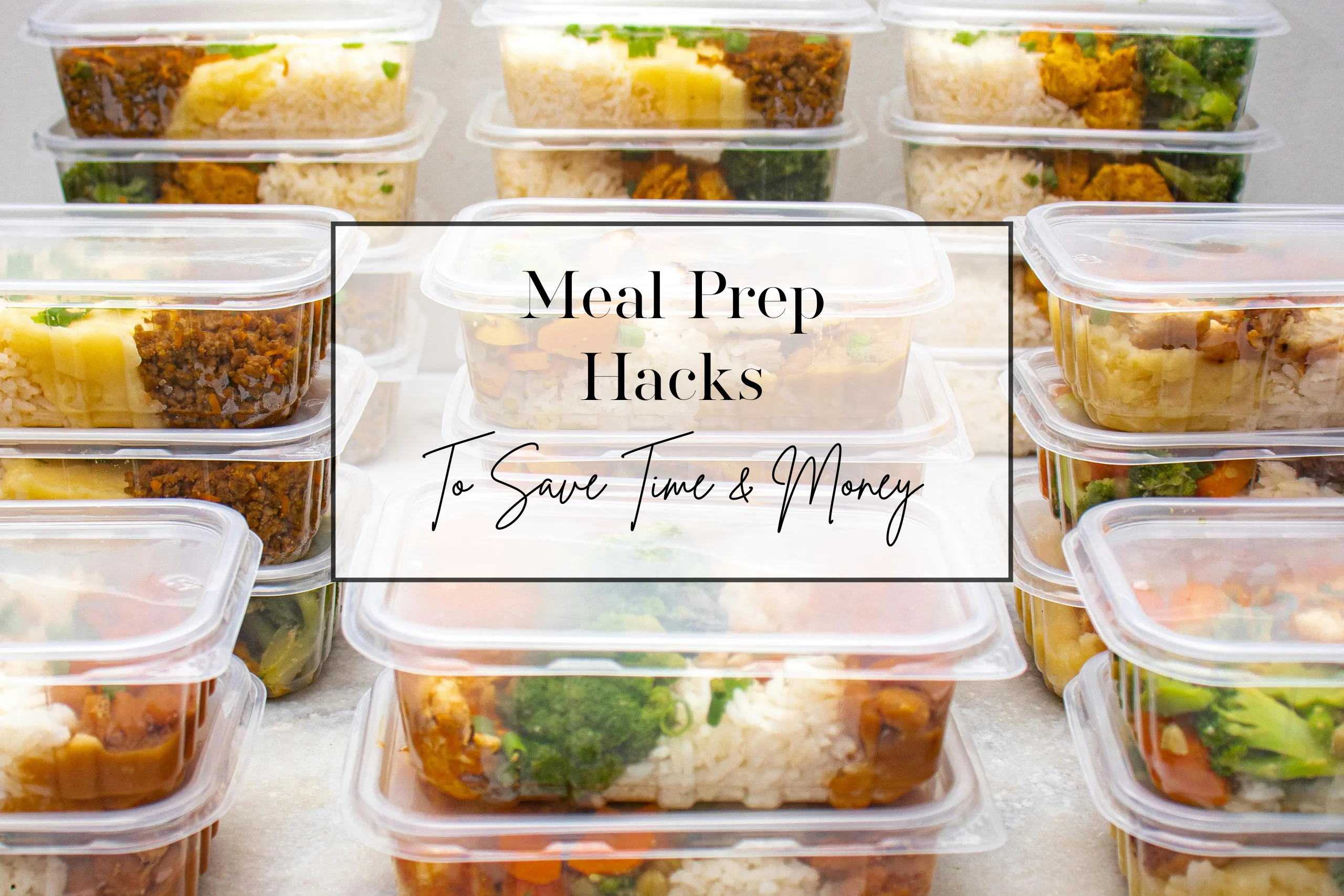
Proper storage is crucial for meal prep, ensuring your food stays fresh and organized throughout the week. Affordable glass or BPA-free plastic containers with airtight lids are ideal for portioning meals. Look for stackable containers to save space in your fridge or freezer. Reusable silicone bags are another budget-friendly option for storing snacks or ingredients. Keeping your meals well-preserved not only avoids waste but also prevents the need for repeated cooking.
Planning Your Meals Smartly
Creating a Weekly Menu That Saves Time
Effective meal prep starts with a well-thought-out plan. Begin by listing your favorite easy-to-make dishes and then map out a weekly menu that includes breakfasts, lunches, and dinners. Rotating simple recipes reduces decision fatigue and streamlines grocery shopping. Prioritize recipes that share common ingredients to minimize food waste and lower costs. Scheduling specific prep days, such as Sunday afternoons, will keep your workflow smooth and manageable.
How to Shop Smart: Budgeting and Couponing Tips
Shopping smarter is vital for budget-conscious meal prep. Start by setting a clear grocery budget to guide your purchases. Use store flyers and apps to identify sales on staples like rice, beans, and seasonal vegetables. Couponing, whether digital or paper-based, can provide additional savings on frequently used items. Consider buying in bulk for non-perishable goods, but be mindful of portion sizes to avoid spoilage. Planning your shopping list carefully can prevent impulse buys and keep your meal prep financially sustainable.
Quick and Affordable Meal Prep Recipes
Breakfast Ideas Under 15 Minutes
Breakfast can be quick, nourishing, and gentle on your wallet. Think overnight oats prepared with inexpensive ingredients like rolled oats, milk, and seasonal fruits. Scrambled eggs with sautéed vegetables are another versatile option that requires just a few minutes. Preparing smoothie packs with frozen fruits and spinach can also streamline morning routines, requiring only blender assembly before serving.
One-Pot Lunches to Save Cleanup Time
One-pot meals are a lifesaver for busy beginners as they combine cooking and cleanup into a single step. Consider dishes like chili, vegetable stews, or pasta primavera that can be made in one pot with budget-friendly ingredients. These meals often taste better as leftovers since flavors meld over time, making them perfect for batch cooking. Utilizing one pot also reduces the need for multiple kitchen tools, saving both time and effort.
Dinner Meals That Can Be Made in Bulk
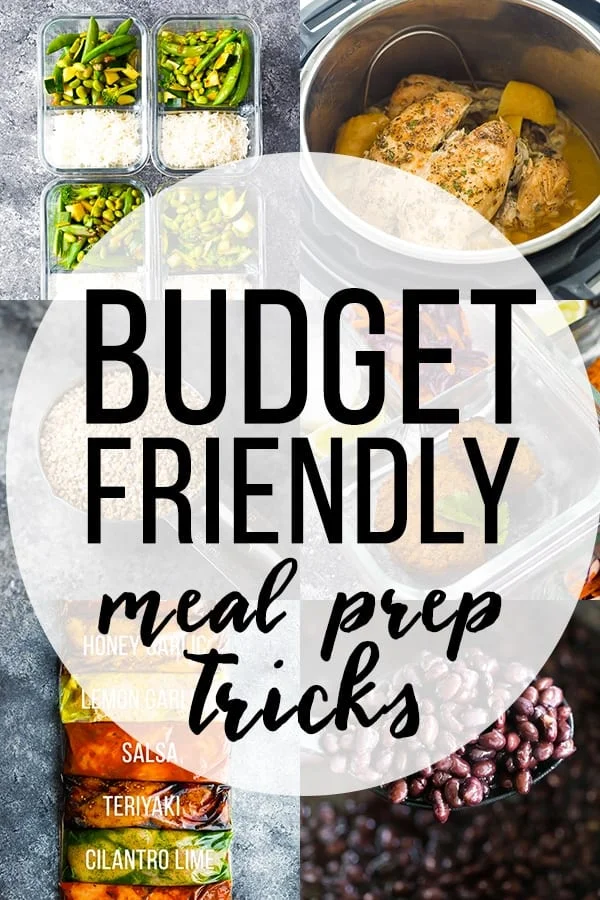
Dinners that can be prepared in large quantities and frozen for later are ideal for busy schedules. Casseroles, baked ziti, or homemade soups fit this category well. Preparing these meals on a prep day means you can enjoy homemade dinners with minimal evening cooking. Simply portion out leftovers into containers and freeze; this practice cuts down on daily cooking tasks while controlling food portions.
Time Management Strategies for Busy Beginners
Managing your time effectively is as important as the meal preparation itself. Break down your prep into smaller tasks like chopping vegetables, cooking grains, or assembling meals. Use timers to stay on track and avoid getting distracted. Multitasking with appliances, such as letting a slow cooker work while you clean the kitchen, can maximize productivity. Additionally, maintaining a clean and organized workspace reduces the time spent searching for utensils or ingredients, making the entire process smoother.
Common Mistakes to Avoid When Starting Out
Beginners often make the mistake of overcomplicating recipes or prepping too many meals at once, which can lead to burnout. It’s essential to start small and gradually scale up as you become more comfortable. Another common error is neglecting portion control, which can result in wasted food or overeating. Additionally, ignoring proper food storage may cause spoilage and health risks. Avoid buying perishable ingredients in excess and ensure meals are kept at the right temperatures. Recognizing these pitfalls early helps maintain consistency and enthusiasm for meal prepping.


