
Understanding the Impact of Poor Posture from Remote Work
Common Postural Problems Linked to Home Office Setups
Working from home has become increasingly common, but many people struggle with poor posture due to makeshift workstations. Without a proper ergonomic setup, individuals often develop hunched shoulders, forward head posture, and rounded upper backs. These postural issues usually stem from prolonged sitting, leaning toward screens, or using unsuitable chairs and desks. Over time, such habits can lead to muscle imbalances, stiffness, and discomfort, affecting overall well-being and productivity.
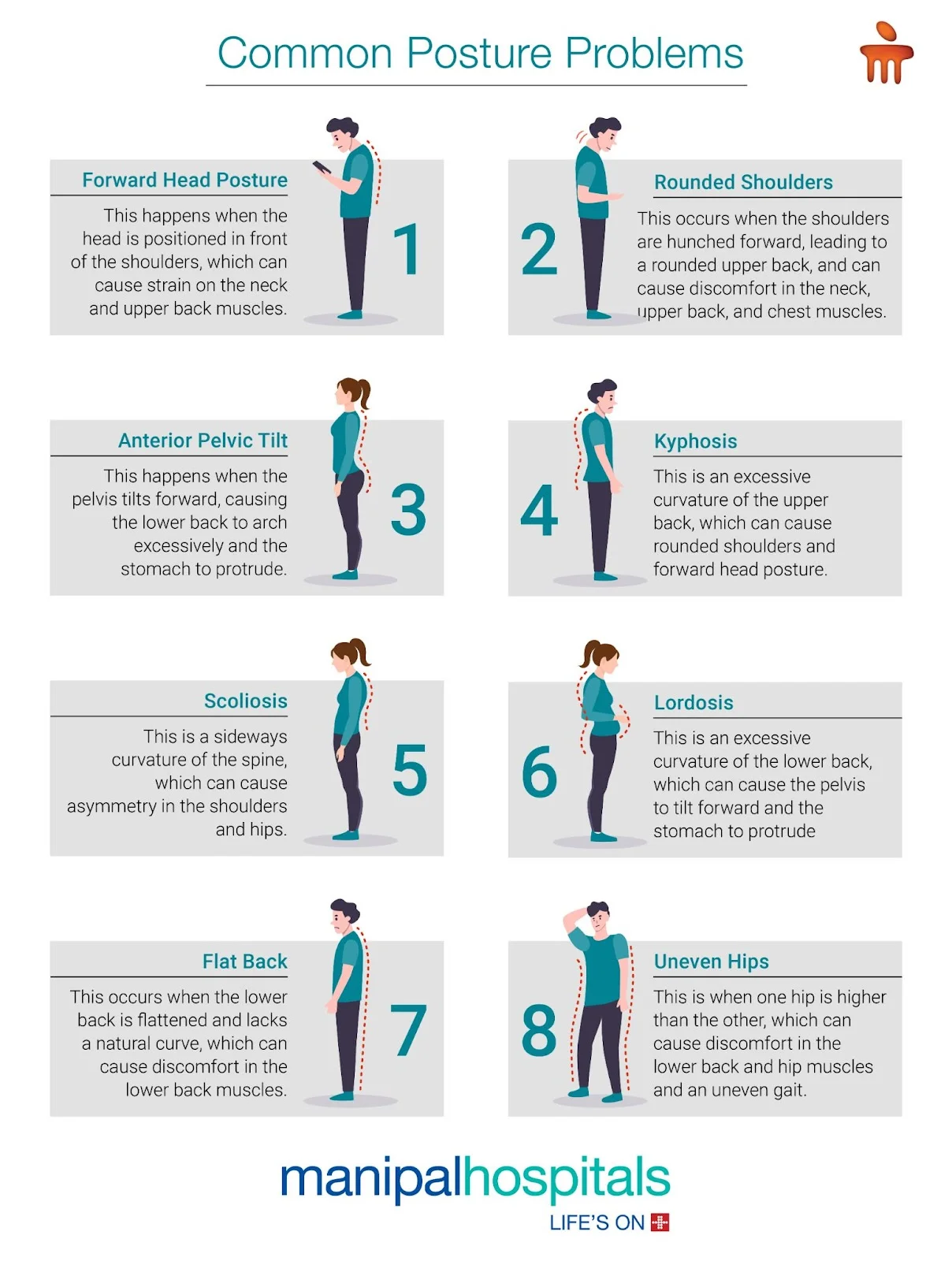
Why Daily Stretching is Essential for Posture Correction
Poor posture caused by extended hours at a home desk often tightens certain muscles while weakening others. For example, chest muscles may become shortened and tight, while upper back muscles weaken, exacerbating slouching. Daily stretching helps to counteract these imbalances by loosening tight muscles and improving flexibility. Incorporating simple stretches into the routine can promote better alignment, reduce discomfort, and support the maintenance of an upright posture throughout the day.
The Top 7 Stretching Exercises to Combat Poor Posture
1. Neck Tilts and Rotations
Tight neck muscles are a frequent consequence of looking down at screens or cradling phones between shoulder and ear. Gentle neck tilts and rotations can relieve this tension. Slowly tilting the head from side to side and rotating the neck helps restore mobility and reduces stiffness. This stretch addresses tightness around the cervical spine, promoting a more neutral head position.
2. Shoulder Rolls and Shrugs
Shoulders often tighten and elevate when one sits hunched over a laptop, contributing to tension and poor posture. Shoulder rolls and shrugs encourage relaxation of these muscles. Rolling the shoulders backward and forward in controlled motions loosens tightness in the upper trapezius and deltoids. Combined with gentle shrugs, these movements help reset shoulder positioning and prevent chronic stiffness.
3. Chest Opening Stretches
A common cause of rounded shoulders is tight chest muscles. Stretching the chest by opening the arms wide or performing doorway stretches helps counteract this forward hunch. Expanding the chest encourages the shoulders to move back and promotes alignment through the upper body. This stretch rebalances muscle tension around the ribcage and shoulder girdle.
4. Upper Back Extensions
The upper back can become weakened and fatigued with prolonged sitting, leading to poor posture. Gentle back extensions, such as standing or seated backbends, help activate these muscles and improve spinal mobility. These stretches counteract flexed postures by encouraging extension and strengthening the thoracic spine region, supporting a taller, straighter posture.
5. Seated Spinal Twists
Staying in a static forward-facing position for many hours limits spinal rotation and flexibility. Seated spinal twists promote mobility in the thoracic spine and help release tension in the back muscles. This rotation stretch encourages balanced muscle activation on both sides of the spine and contributes to a more dynamic, aligned posture.
6. Hip Flexor Stretches
Prolonged sitting shortens the hip flexors, pulling the pelvis into a forward tilt that can affect posture all the way up the spine. Stretches targeting these muscles, such as lunges or kneeling hip flexor stretches, help lengthen and release tightness. Improving hip mobility allows the pelvis to return to a more neutral position, reducing strain on the lower back and improving overall posture.
7. Hamstring Lengthening Movements
Tight hamstrings contribute to pelvic tilting and lower back discomfort, both of which undermine good posture. Stretching the hamstrings encourages flexibility along the back of the legs and supports proper pelvic alignment. Simple seated or standing hamstring stretches can alleviate tension and promote a balanced posture during sitting and standing.
How to Integrate These Stretches into Your Daily Routine
Optimal Timing: Morning, Afternoon, or Evening?
Knowing when to stretch can influence effectiveness in combating poor posture. Starting the day with stretches can prepare muscles for activity and reduce tension build-up. Taking breaks during the afternoon to stretch offers a reset from continuous sitting, preventing stiffness. Evening stretches aid in releasing accumulated muscle tightness and promote relaxation. Integrating these exercises at different times can provide balanced support throughout the day rather than concentrating efforts in a single session.
Quick Stretching Breaks: Tips for Busy Schedules
For those managing busy workdays, carving out long stretching sessions may feel challenging. Short, frequent breaks of just a few minutes can still significantly benefit posture. Setting reminders or using activity-tracking apps can prompt timely breaks. Even a brief sequence of neck tilts, shoulder rolls, and chest stretches can interrupt prolonged sedentary periods, helping maintain mobility and reducing discomfort.
Posture-Friendly Workspace Adjustments to Maximize Benefits
Ergonomic Chair and Desk Tips
While daily stretching improves muscle flexibility, an unsuitable workstation can continuously reinforce poor posture. Chairs with adjustable height and lumbar support encourage proper spinal alignment. Desks should allow comfortable arm positioning without hunching. Making these changes reduces strain and makes it easier to maintain the benefits gained from stretching exercises.
Monitor Placement and Keyboard Positioning
Improper monitor height causes the head to tilt forward or downward, while awkward keyboard positions strain shoulders and wrists. Ensuring the top of the screen sits at eye level and the keyboard is within easy reach helps maintain a neutral, relaxed posture. These adjustments complement stretching habits and prevent postural fatigue during extended work hours.
Additional Techniques to Support Posture Correction
Mindfulness and Body Awareness
Even with regular stretching, unconscious slouching can persist. Practicing mindfulness encourages awareness of posture throughout the day. Simple habits, such as checking in periodically with body alignment or doing subtle posture adjustments, help reinforce positive positioning. This conscious attention supports the long-term correction of poor habits formed during remote work.
Regular Movement and Exercise Beyond Stretching
Stretching alone may not be sufficient to correct deep-seated postural issues. Incorporating regular physical activity that strengthens the core and back muscles supports posture maintenance. Activities like walking, yoga, or pilates promote balanced musculature and enhance overall body mechanics. Combining stretching with movement fosters a holistic approach to avoiding the pitfalls of sedentary home office work.


