
Introduction to Percent Daily Values
What Are Percent Daily Values (DV)?
Percent Daily Values, often abbreviated as %DV, are numerical indicators found on nutrition labels that show how much a nutrient in a serving of food contributes to the daily recommended intake. These values help consumers understand the nutrient content of foods in the context of their overall diet by providing a quick reference point. For example, if a food label shows 20% DV for calcium, it means one serving provides 20% of the calcium needed daily based on general nutrition guidelines.
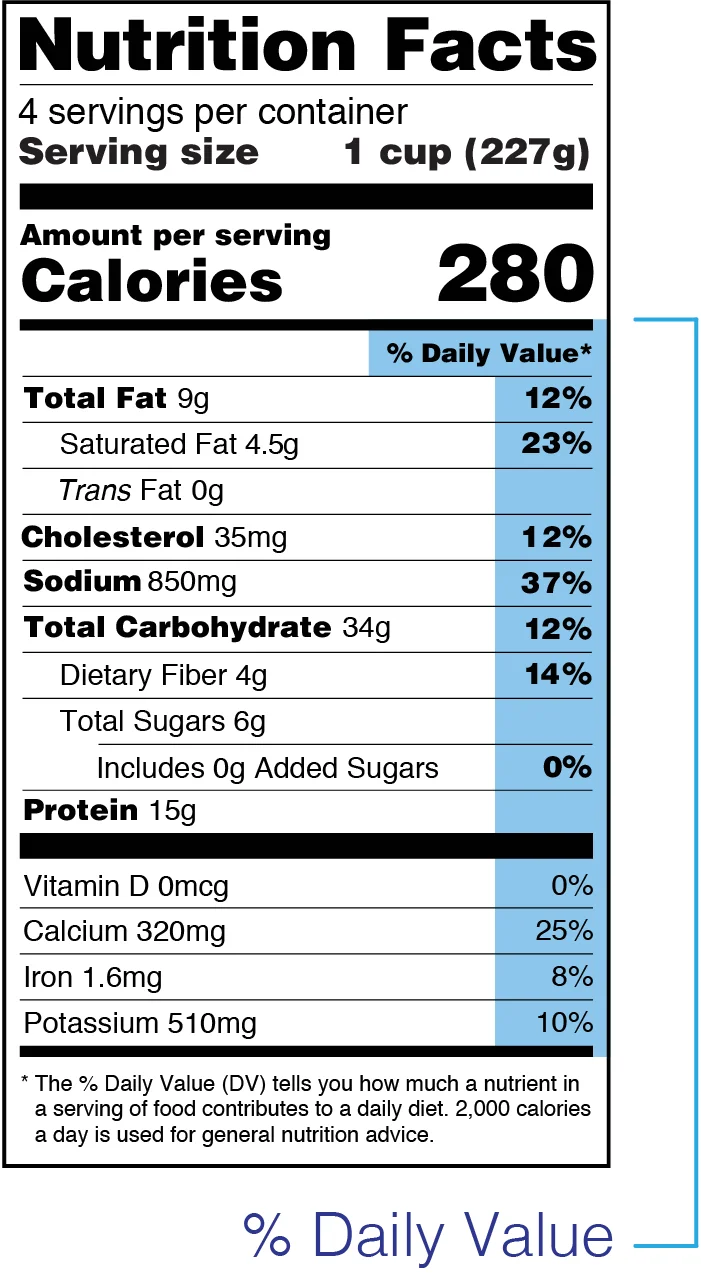
Origins and Purpose of Daily Values
Daily Values were created to provide a standardized way for people to compare nutrient intake across different foods. They are based on recommendations developed by nutrition experts, agencies, and health organizations to reflect the average intake sufficient to meet the needs of most healthy individuals. The purpose is to guide consumers toward healthier food choices and help prevent nutrient deficiencies or excesses by offering a clear, consistent framework.
How Percent Daily Values Are Calculated
The Role of Nutrient Reference Intakes
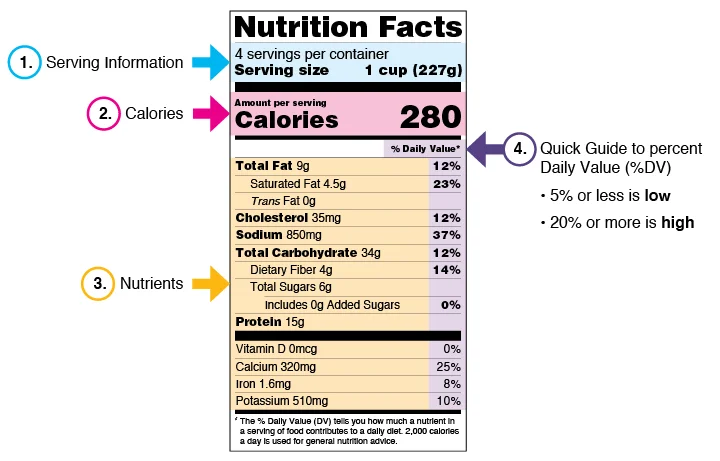
The calculation of Percent Daily Values relies on Nutrient Reference Intakes (NRIs) or Daily Reference Values, which are scientifically established benchmarks for essential nutrients. These values consider factors like age, health, and life stage but are often generalized to fit the majority of the population. Using these reference points, food manufacturers can determine how much of a nutrient in a serving contributes to the recommended daily amount, expressed as a percentage.
Standardized Serving Sizes and Their Impact
Serving sizes are standardized to ensure consistency across products so that %DVs are meaningful and comparable. When a serving size is defined, the nutrient content is measured accordingly. If a consumer eats more or less than the serving size, the actual nutrient intake will differ. This means understanding portion control is vital, as the %DV shows nutrient contribution per serving, not per package or per any amount consumed.
Interpreting Percent Daily Values on Nutrition Labels
What Does a High or Low %DV Indicate?
A high %DV signals that a food is rich in a particular nutrient, which can be beneficial or something to monitor depending on the nutrient. For instance, a high %DV of fiber or vitamin C is generally positive, while a high %DV of saturated fat or sodium might warrant caution. Conversely, a low %DV means the food provides a small amount of that nutrient and may need to be supplemented elsewhere in the diet to meet daily needs.
Using %DV for Nutrient Comparison Between Foods
Percent Daily Values make it easier to compare the nutritional quality of different foods at a glance. When deciding between two products, looking at %DV helps identify which option aligns better with your nutrient goals. If you want to increase iron intake, you might choose the food with a higher iron %DV. On the other hand, if trying to limit sodium, you’d select the product with a lower sodium %DV.
Common Nutrients and Their Daily Value Benchmarks
Key Vitamins and Minerals Explained
Many key nutrients have established daily values, including vitamins A, C, D, E, and minerals like calcium, iron, and potassium. These benchmarks are designed to prevent deficiencies and promote overall health. For example, the %DV for calcium is typically set around 1,300 mg, reflecting the amount needed for bone health. Recognizing these standard values helps consumers understand the significance of the %DV figures.
Macronutrients: Fats, Carbohydrates, and Proteins
Macronutrients also have daily value recommendations, guiding intake for fats, carbohydrates, and proteins. Saturated fats and trans fats generally have lower recommended limits due to their impact on heart health, whereas total fats and carbohydrates provide energy. Protein needs vary but are also referenced. The %DV on labels informs whether a food contributes significantly to daily macronutrient goals, influencing diet balance.
Using Percent Daily Values to Meet Your Dietary Needs
Setting Personal Nutrient Goals
While %DVs offer a starting point for understanding nutrient content, individual goals may differ based on lifestyle, activity level, and health status. Setting personal nutrient targets involves considering these factors alongside general recommendations. For example, athletes might prioritize higher protein intake, so they would focus on foods with higher protein %DVs to meet their requirements.
Adjusting Intake Based on Age, Gender, and Health Conditions
Not everyone benefits equally from the same %DV benchmarks. Age, gender, and specific health conditions can affect nutrient needs. For instance, women of childbearing age require more iron, while older adults may need increased vitamin D and calcium. It’s important to adapt %DV interpretations to suit these needs, often in consultation with healthcare providers, rather than relying solely on the generic %DV values displayed on labels.
Limitations and Misconceptions of Percent Daily Values
Why %DV Is Not a One-Size-Fits-All Metric
One common mistake is assuming that %DVs perfectly reflect an individual’s daily nutrient requirements. Since these values are based on averages, they don’t account for all personal factors. Additionally, diets vary widely; for example, someone following a low-sodium diet might need to aim for even lower sodium consumption than what %DVs suggest. Therefore, %DVs serve best as a guideline rather than an absolute measure.
Common Myths About Nutrient Labels
There are several myths surrounding %DVs, such as believing that a nutrient with a low %DV is always unimportant or that a high %DV means a food is unhealthy. These misunderstandings can lead to poor dietary choices. It’s essential to consider the type of nutrient and overall dietary context instead of judging the food solely by high or low %DV numbers.
Practical Tips for Applying Percent Daily Values in Daily Life
Meal Planning Using %DV
Incorporating %DVs into everyday meal planning can simplify achieving balanced nutrition. For example, combining foods with complementary %DVs can help meet daily targets without exceeding limits on certain nutrients like sodium or saturated fat. Planning allows consumers to use %DVs to build meals that contribute appropriately to nutrient intake rather than focusing on isolated food items.
Balancing Nutrient Intake with %DV Awareness
Being aware of %DVs can prevent overconsumption of nutrients that may pose health risks while ensuring enough intake of beneficial ones. This balance is crucial for long-term health and can be maintained by checking %DVs regularly and adjusting food choices. Over time, understanding %DVs fosters a more mindful approach to eating and supports sustainable health goals.


