
Introduction to Mindful Journaling and Anxiety
What is Mindful Journaling?
Mindful journaling is a reflective writing practice focused on present-moment awareness. Unlike regular journaling, which may simply record events or thoughts, mindful journaling encourages an attentive and non-judgmental exploration of feelings, sensations, and experiences. This method helps individuals become more aware of their internal states, promoting clarity and emotional balance.
Understanding Anxiety Symptoms
Anxiety often manifests through a range of symptoms including restlessness, rapid heartbeat, excessive worrying, and difficulty concentrating. For newcomers experiencing anxiety, these symptoms can feel overwhelming and confusing. Recognizing and tracking these symptoms is crucial because it lays the foundation for understanding personal anxiety patterns and emerging triggers.
Why Journaling Helps Newcomers Manage Anxiety
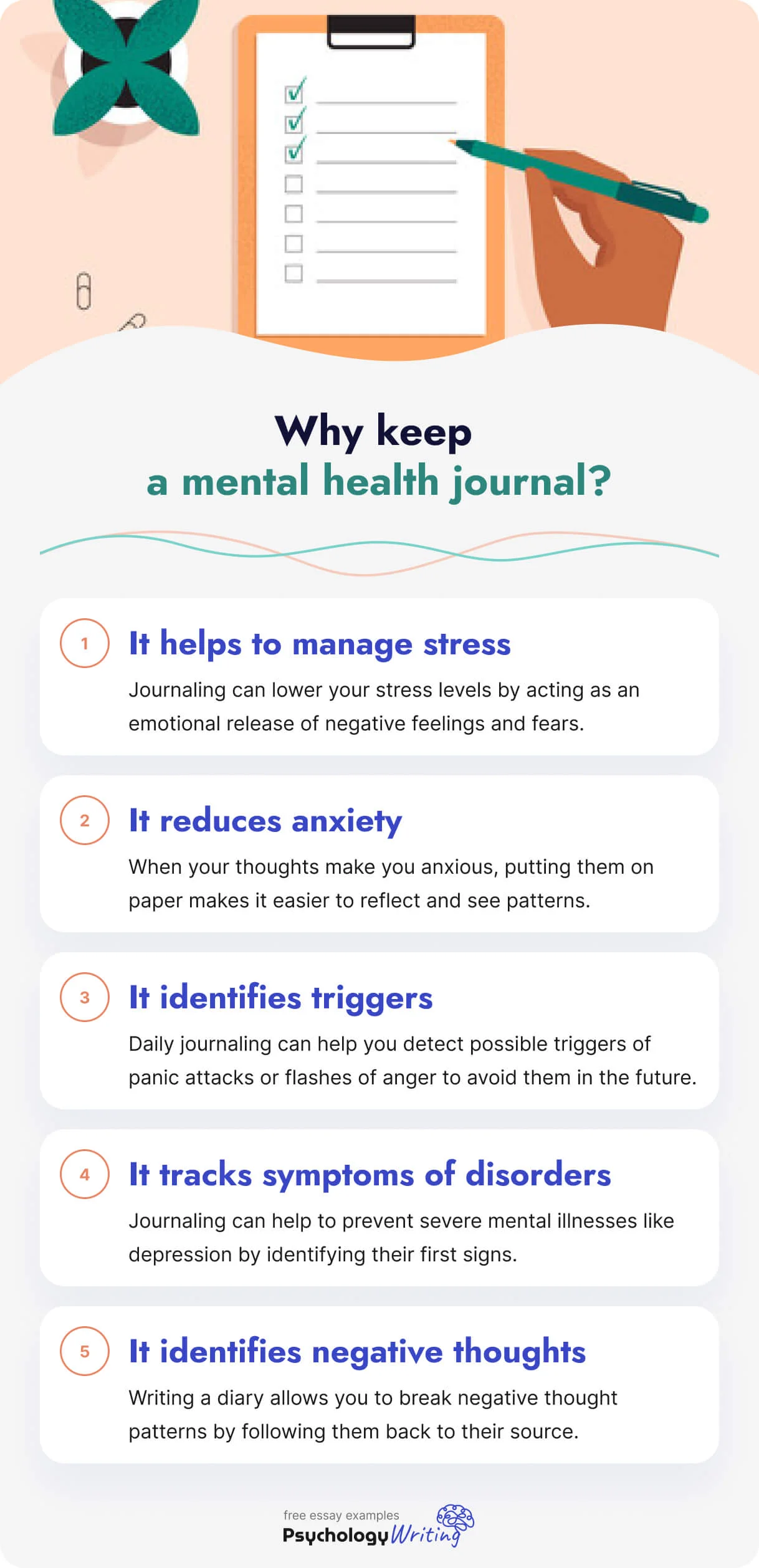
For those new to managing anxiety, mindful journaling offers a gentle way to observe emotional and physical reactions without judgment. This practice creates a safe space to express worries and frustrations, which can reduce the buildup of stress. Additionally, journaling provides tangible records that can reveal subtle patterns, empowering individuals to respond proactively to their anxiety rather than react impulsively.
Step-by-Step Guide to Starting Mindful Journaling
Choosing the Right Journal and Tools
Beginning mindful journaling starts with selecting a journal that feels inviting and accessible. For some, a simple notebook is enough, while others prefer guided journals designed specifically for anxiety tracking. The tools used—pens, colored markers, or even digital apps—should enhance the experience rather than complicate it. Selecting calming colors or tactile materials can make the process more enjoyable and soothing.
Setting a Consistent Journaling Routine
Inconsistency is a common barrier for beginners. Establishing a fixed time daily, such as morning or before bed, creates a habit that becomes part of self-care. Even short sessions of five to ten minutes can be effective. The key is regularity, which allows for ongoing self-reflection and builds momentum toward better anxiety management.
Prompts to Identify and Track Anxiety Symptoms
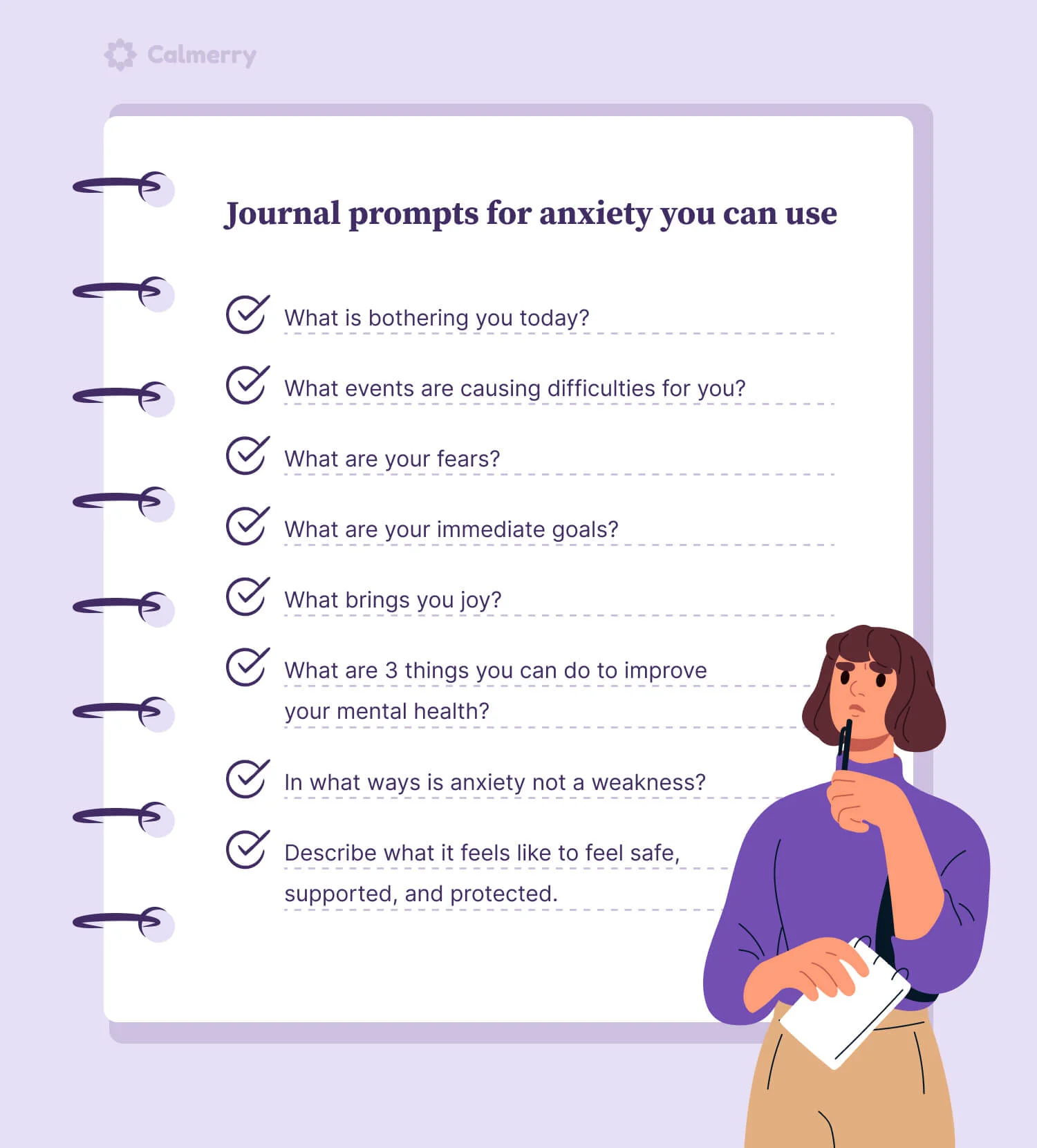
Newcomers may struggle with knowing what to write. Using specific prompts can simplify this process. Questions like “What physical sensations am I noticing right now?” or “What thoughts repeat in my mind today?” help uncover symptoms and emotional states. These focused entries bring clarity to what might otherwise be an overwhelming jumble of feelings.
Techniques to Enhance Mindfulness in Journaling
Incorporating Breathing Exercises
Before writing, engaging in brief breathing exercises can ground the mind and reduce immediate anxiety. Deep, slow breaths help calm the nervous system, making it easier to observe thoughts clearly. This preparatory step enhances focus and ensures the journaling experience remains mindful rather than reactive.
Using Sensory Details in Writing
Focusing on sensory experiences—what you see, hear, feel, or smell—anchors awareness in the present moment. Instead of writing vague feelings, describing sensory details connects you to reality and lessens anxious spirals. For example, noting the warmth of sunlight or the texture of a chair can shift the focus from worry to tangible experience.
Reflecting on Thoughts Without Judgment
One of the biggest challenges is resisting the urge to criticize or dismiss anxious thoughts. Mindful journaling encourages acceptance and curiosity rather than negativity. Observing thoughts as passing clouds or separate events allows emotions to come and go without feeding anxiety. This nonjudgmental stance fosters self-compassion and emotional resilience.
Recognizing Patterns and Triggers Through Journaling
How to Analyze Your Entries
Simply writing is valuable, but reviewing entries periodically can reveal meaningful insights. Look for recurring themes, shifts in mood, or changes in anxiety intensity. This analysis doesn’t have to be complex; even noting if certain days, places, or situations coincide with heightened anxiety can be enlightening.
Identifying Common Anxiety Triggers
Through mindful journaling, certain triggers often emerge—stressful interactions, sleep deprivation, caffeine intake, or workload spikes, for example. Recognizing these can reduce the mystery behind anxiety outbreaks and guide targeted interventions that prevent or mitigate symptoms.
Using Insights to Develop Coping Strategies
After pinpointing patterns and triggers, you can tailor coping techniques that work best for you. This might include mindfulness meditation, physical activity, or seeking social support. Journaling thus transforms from a passive activity into an active tool for managing anxiety, supporting a more balanced and empowered daily life.
Additional Tools and Resources for Newcomers
Apps and Digital Journaling Platforms
For those who prefer technology, many apps provide guided journaling with added mindfulness features. These platforms often include reminders, mood trackers, and breathing exercises, making it easier to stay consistent. Choosing an app that feels supportive without overwhelming you is key to maintaining this practice.
Support Groups and Professional Help
Journaling alone might not be sufficient for everyone. Joining support groups, whether in person or online, builds community and shared understanding. When anxiety symptoms persist or worsen, consulting mental health professionals ensures access to tailored therapies such as cognitive-behavioral therapy (CBT), which often complements journaling efforts.
Recommended Books on Mindfulness and Anxiety Management
Several books offer structured guidance and deeper insights into mindfulness and journaling practices. Titles authored by mindfulness experts or therapists can provide evidence-based techniques and inspirational stories. These resources help newcomers deepen their knowledge and maintain motivation over time.


