
Understanding Early Burnout Symptoms in the Workplace
Identifying the Signs Before They Escalate
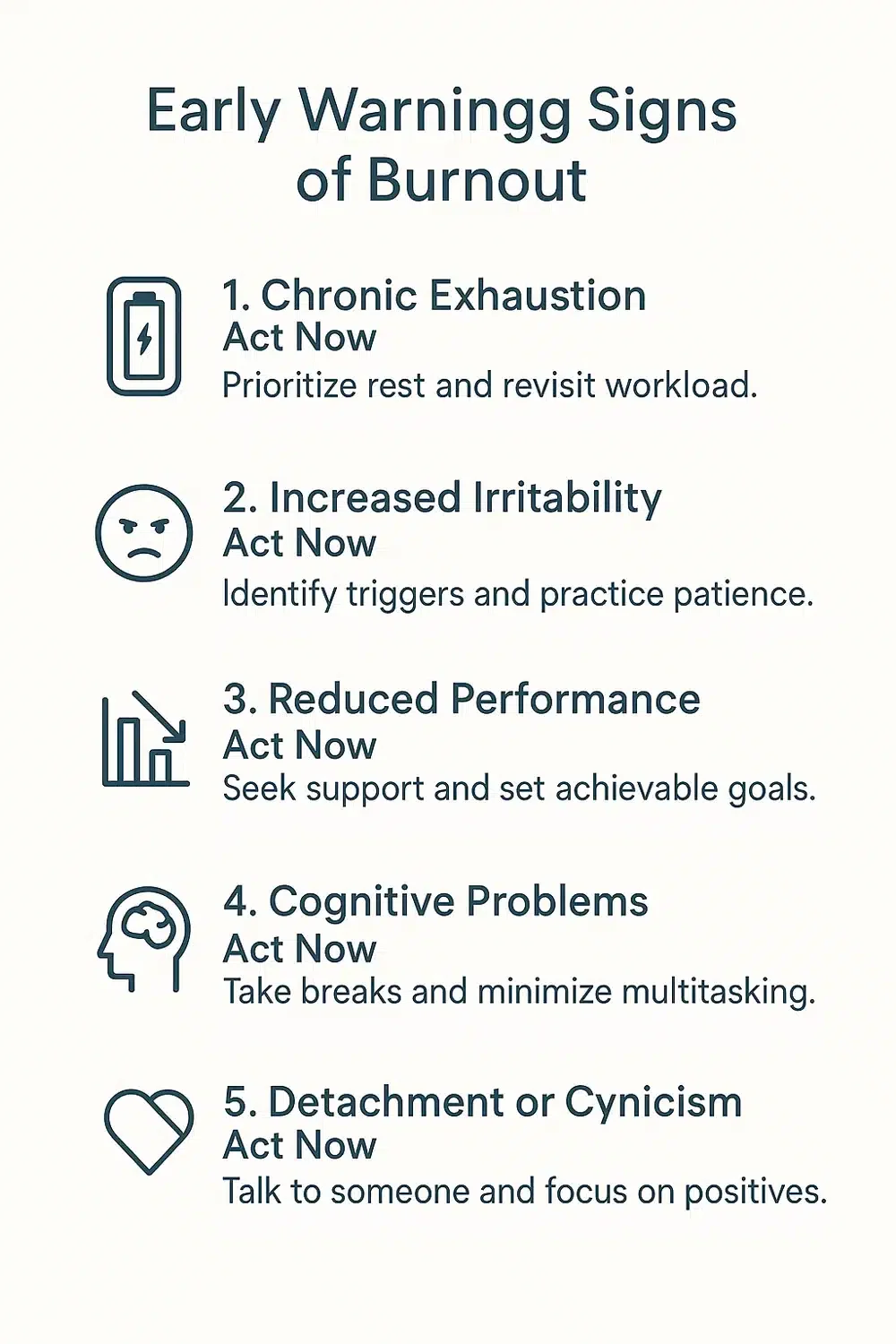
Imagine Sarah, a dedicated marketing manager who starts feeling unusually tired by mid-morning and finds it harder to focus during meetings. These subtle shifts—loss of energy, irritability, and decreased motivation—are often the first whispers of burnout. Early symptoms can be easy to overlook but recognizing them early can prevent a downward spiral. Workers often mistake these signs for just being “part of the job,” but when exhaustion becomes routine and emotional resilience wanes, it’s a red flag that needs attention.
The Impact of Burnout on Productivity and Health
When burnout takes hold, it doesn’t just affect mood; it drastically undermines productivity. Take the example of John, who once met deadlines easily but now struggles with procrastination and creative blocks. The consequences extend beyond the office too. Chronic stress associated with burnout can trigger headaches, insomnia, and a weakened immune system. Left unchecked, these symptoms can lead to long-term health issues such as anxiety and depression, affecting both career longevity and personal wellbeing.
The Science Behind Mindfulness and Its Effect on Stress
How Mindful Practices Influence Brain Chemistry
Research shows that mindfulness alters brain function in ways that promote calm and focus. For instance, when you pause to take a few mindful breaths at your desk, the prefrontal cortex—the area responsible for decision-making—lights up, improving cognitive control. At the same time, the amygdala, the brain’s fear and stress center, becomes less reactive. This biological shift helps reduce cortisol levels, the hormone responsible for stress, which in turn eases feelings of anxiety and prevents early burnout symptoms from taking hold.
Research Studies Linking Mindfulness to Reduced Burnout
A study conducted at a large tech company showed that employees who integrated short mindfulness sessions into their daily routine reported a 30% decline in burnout symptoms after just eight weeks. These sessions helped individuals become more present, managing stress before it became overwhelming. Another healthcare study found that nurses practicing mindful breathing during breaks experienced less emotional exhaustion and improved patient interaction. These real-world applications highlight mindfulness as a practical tool rather than just a buzzword.
Incorporating Mindful Breaks into Your Workday
Simple Mindful Techniques You Can Practice at Your Desk
Mindfulness doesn’t require a yoga studio or hours of meditation. Try this: when you feel tension creeping in, close your eyes for 60 seconds and focus on your breath, noticing the air entering and leaving your nostrils. Or try a body scan—notice how your feet feel on the floor, your shoulders relaxing, and your neck loosening. Even a simple act of grounding yourself by feeling the keyboard under your fingers can anchor your awareness to the present moment, refreshing mental clarity.
Scheduling Breaks Without Interrupting Workflow
One common challenge is fitting mindful breaks into busy schedules. Yet, companies like Google have proven that short, structured mindfulness breaks improve overall workflow rather than disrupt it. The trick is to integrate breaks naturally—for example, after completing a meeting or finishing a significant task. Setting a timer for every 90 minutes, when attention typically wanes, can serve as a reminder to pause. These intentional pauses prevent fatigue from accumulating while keeping momentum steady throughout the day.
Real-Life Examples: Mindfulness Success Stories from Professionals
Case Studies: How Mindful Breaks Revitalized Careers
Linda, a graphic designer, noticed her creativity fading under mounting deadlines. She began taking 3-minute breathing breaks during her workday and noticed a remarkable improvement. Over months, she felt less overwhelmed and more energized, attributing her renewed outlook to these small mindful moments. Similarly, Mike, an IT consultant, struggled with chronic stress until his company introduced guided meditation sessions at lunchtime. These brief sessions transformed how he handled work pressure, reducing burnout symptoms significantly.
Lessons Learned and Practical Tips
These stories reveal that mindfulness is not a one-size-fits-all solution. Linda’s brief desk breathing suited her fast-paced environment, while Mike benefited from structured group sessions. The key takeaway is to experiment with different mindful break formats and find what meshes best with your routine and personality. Consistency matters more than duration, and even seconds of mindful awareness can accumulate positively over time.
Tools and Resources to Support Mindful Breaks at Work
Apps and Technology That Encourage Mindfulness
Technology has stepped in to make mindfulness accessible. Apps like Headspace and Calm offer guided meditations tailored for office breaks, ranging from quick breathing exercises to longer body scans. Some platforms even send gentle reminders to pause and breathe, helping users build mindful habits without feeling pressured. For those who prefer a minimalist approach, simple timers or ambient nature sound apps can turn any break into a restorative experience.
Creating a Mindfulness-Friendly Workplace Environment
Beyond personal practice, the environment plays a crucial role. Companies that designate quiet rooms for meditation or encourage flexible schedules demonstrate a commitment to mental health. Subtle changes—like promoting natural light, reducing noise distractions, or encouraging walking meetings—also foster mindfulness indirectly. Cultivating a culture that values mental breaks normalizes these practices, reducing stigma and enhancing overall resilience.


