
Understanding Distractions at Home: A Gateway to Mindful Living
Common sources of distractions in a home environment
Homes, while comforting and familiar, often present a unique set of distractions. These can range from electronic devices constantly vying for attention, such as smartphones, televisions, and computers, to household noises like family members conversing, pets, or appliances humming in the background. Additionally, the presence of clutter or an unorganized space can subtly divert attention. Understanding these sources is the first step toward creating a more focused and peaceful environment.
How distractions impact mental clarity and productivity
Distractions at home fragment our attention, making it difficult to maintain consistent focus on tasks. This fragmentation can lead to mental fatigue, increased stress, and reduced productivity. When attention is scattered, problem-solving abilities decline, and creativity may be stifled. Over time, persistent distractions may cause a sense of overwhelm, disrupting both work and personal well-being.
The role of meditation in cultivating focus and calm
Meditation offers a practical approach to managing distractions by training the mind to recognize and gently redirect attention. Through regular practice, individuals develop greater awareness of their thoughts and surroundings, fostering a sense of calm and improved concentration. Meditation encourages mindfulness, allowing for the conscious choice to return to the present moment even amidst potential interruptions.
Preparing for Your Guided Meditation Session
Choosing the right time and quiet space at home
Successful meditation begins with selecting an appropriate time and location. Early mornings or late evenings often provide quieter moments with fewer disturbances. Finding a peaceful corner free from clutter and noise helps establish a sanctuary where meditation can unfold uninterrupted. This preparation signals to the mind and body that it is time to shift focus inward.
Setting an intention to reduce distractions
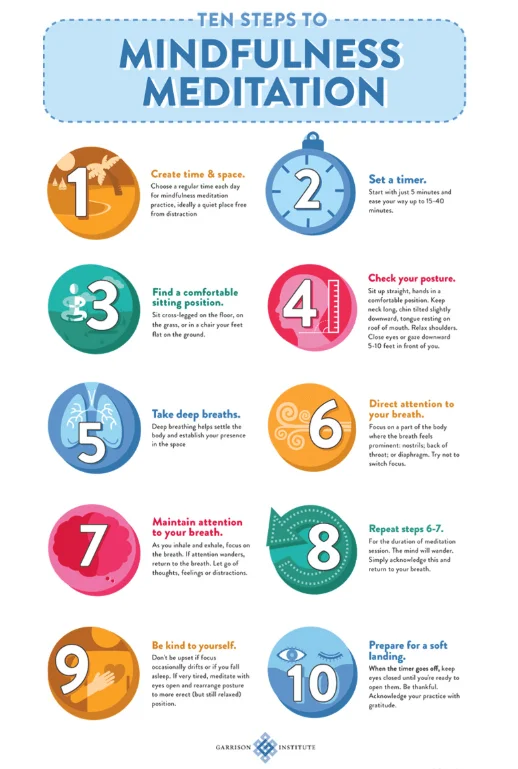
Before beginning your meditation, consciously setting a clear intention is vital. This act of commitment helps frame the session’s purpose, such as minimizing mind wanderings or calming restless thoughts. An intention serves as a gentle reminder throughout practice, guiding the meditation back on track whenever distractions arise.
Essential tools and ambiance: music, lighting, and seating
Creating an inviting ambiance enhances meditation quality. Soft, natural lighting or dim lights can promote relaxation. Playing soothing background music or natural sounds like flowing water may help mask disruptive noises without being overpowering. Choosing comfortable seating, whether a cushion, chair, or floor mat, supports a relaxed yet alert posture, preventing physical discomfort from becoming a new distraction.
Step-by-Step Guided Meditation Techniques
Technique 1: Breath Awareness to Anchor Attention
Begin by sitting comfortably with your eyes closed, gently directing your attention to your breath. Notice the sensation of air entering and leaving your nostrils or the rise and fall of your chest. When the mind wanders, which it naturally will, acknowledge the distraction without judgment and gently bring your focus back to breathing. This simple act of repeated attention anchors the mind, reducing susceptibility to distractions.
Technique 2: Body Scan for Identifying Restlessness
Starting from the top of your head, slowly shift your awareness down through your body parts—forehead, shoulders, arms, chest, abdomen, legs, and feet. Observe areas of tension or discomfort, noting any restlessness without trying to change it. This mindful awareness helps reveal subtle bodily distractions that might otherwise go unnoticed, allowing you to release tension and cultivate deeper relaxation.
Technique 3: Visualization to Create a Distraction-Free Zone
Visualize a peaceful place where distractions cannot reach you—a quiet beach, a serene forest, or a cozy room. Imagine yourself there, feeling safe and undisturbed. Engage your senses by picturing the colors, sounds, and scents vividly. This mental imagery acts as a refuge that shields your focus, helping to mentally distance yourself from the noisy or cluttered environment of home.
Technique 4: Mantra Repetition for Mental Focus
Select a simple word or phrase that resonates with your goal, such as “calm,” “focus,” or “peace.” As you inhale and exhale, silently repeat the mantra, syncing it with your breath. This rhythmic repetition serves as an anchor for your mind, reducing wandering thoughts and reinforcing concentration. If your mind drifts, gently return to the mantra without self-criticism.
Technique 5: Mindful Observation of Thoughts without Engagement
Instead of resisting or trying to suppress distracting thoughts, observe them as if they were passing clouds in the sky. Notice their presence without attachment or reaction. This detachment reduces the power distractions hold over your mind, making it easier to regain focus. Over time, this practice strengthens mental resilience against the pull of interruptions.
Integrating Meditation into Daily Routines to Minimize Home Distractions
Short practices before work or study sessions
Incorporate brief meditation sessions before engaging in focused work or study. Even five minutes of breath awareness or mantra repetition can calm the mind and prepare it for concentration. Starting with clarity reduces the chance of distractions taking hold during productivity periods.
Using meditation breaks to reset focus during the day
Regular meditation breaks serve as mental resets throughout the day. Stepping away from tasks to practice a quick body scan or guided visualization helps dissipate accumulated tension and mental clutter, allowing you to return to your activities refreshed and more focused.
Evening practices to unwind and clear mental clutter
Meditation before bedtime helps unload the day’s distractions and worries. Techniques like mindful observation of thoughts or gentle breath awareness can ease the transition to restful sleep. Establishing this habit signals to your mind that the day is coming to a calm close, improving overall mental health.
Advanced Tips for Enhancing Meditation Effectiveness at Home
Using technology mindfully: apps and guided sessions
Leveraging meditation apps and audio-guided sessions can provide structure and variety in your practice. Choose resources that match your goals and personal preferences. However, be mindful not to let technology become a new source of distraction by setting limits on screen time and selecting distraction-free apps.
Combining meditation with other mindfulness practices
Integrate meditation with activities like mindful walking, journaling, or gentle yoga to deepen your awareness and focus. These complementary practices promote an overall mindful lifestyle, addressing distractions beyond the meditation cushion and enhancing your ability to maintain calm throughout daily life.
Tracking progress to cultivate a distraction-free mindset
Keeping a meditation journal or using tracking tools helps monitor consistency, challenges, and improvements in your focus over time. Reflecting on your journey reveals patterns and encourages commitment, reinforcing the growth of a distraction-resistant mindset.


