
Introduction to Indoor Plants and Mental Wellness
The Rising Popularity of Indoor Gardening
Indoor gardening has grown significantly in popularity as people seek ways to bring nature into their living spaces. This trend reflects a broader desire to create calming environments that counterbalance the stresses of modern life. Beyond aesthetics, indoor plants offer a connection to the natural world, fostering a sense of peace and well-being within the home.
Understanding Stress and Its Impact on Daily Life
Stress is a common experience that affects emotional and physical health. Persistent stress can reduce quality of life, impairing focus, sleep, and mood. Creating a soothing environment at home is essential in managing stress levels, which is where indoor plants play a meaningful role. Their presence can contribute to a calming atmosphere, providing a subtle yet effective relief from daily pressures.
Scientific Insights: How Indoor Plants Reduce Stress
The Role of Nature in Psychological Health
Exposure to natural elements, even indoors, has been linked to improved psychological health. Plants offer visual stimulation and a sense of life that can reduce feelings of anxiety and depression. The simple act of caring for plants engages the mind positively, encouraging mindfulness and relaxation.
Air Purification and Its Effects on Mental Clarity
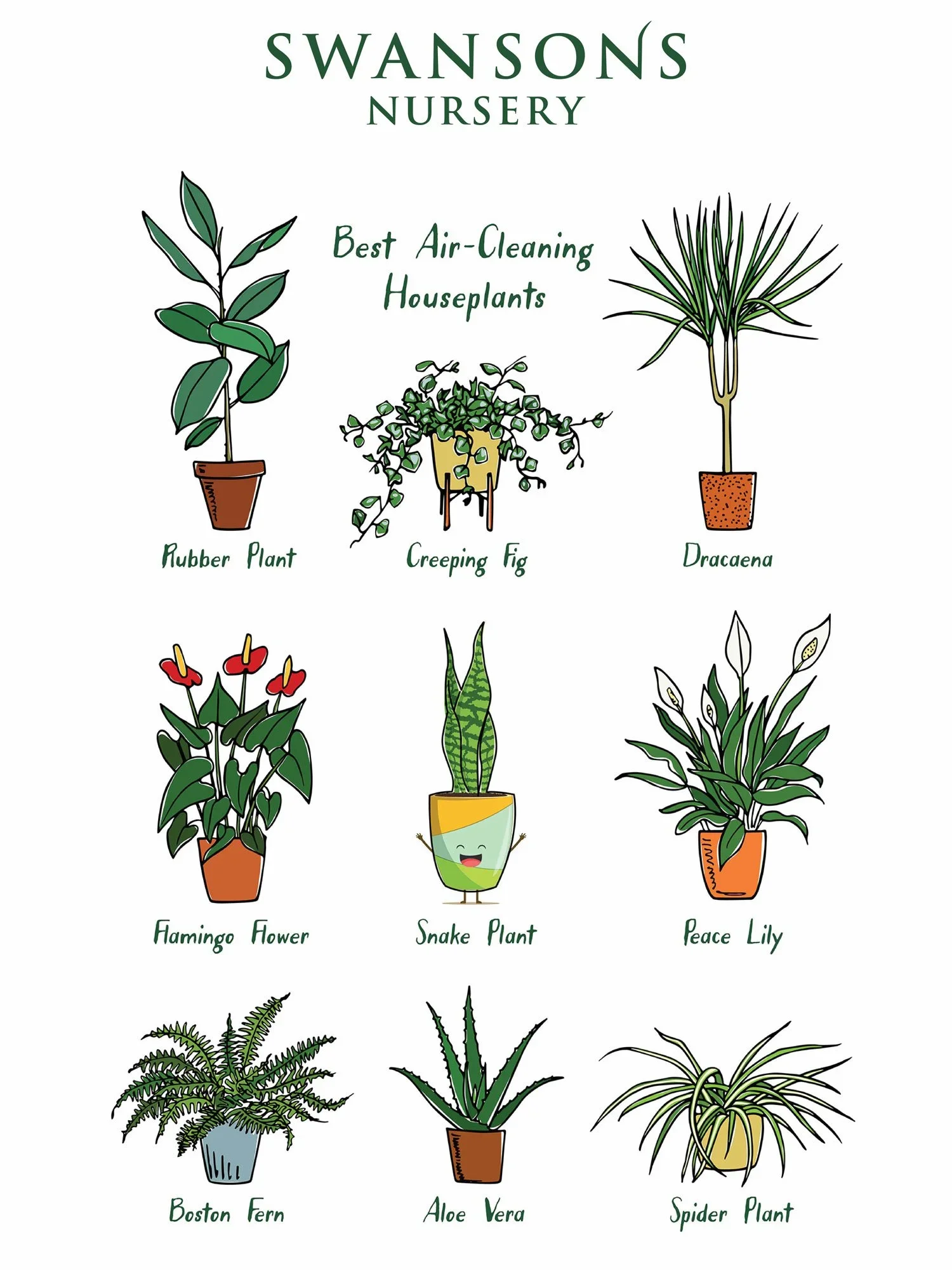
Many indoor plants contribute to cleaner air by filtering toxins and increasing humidity. Improved air quality can enhance breathing and mental clarity, indirectly supporting stress reduction. While plants alone cannot eliminate all indoor pollutants, their air-purifying qualities create a fresher environment conducive to peace of mind.
Case Studies: Research on Plant Therapy and Stress Reduction
Studies have shown that interacting with plants can lower cortisol levels, a hormone associated with stress. Office environments with plants report reduced tension among workers, and similar effects are noted in home settings. These findings highlight the therapeutic potential of plants as natural tools to ease psychological strain.
Top Indoor Plants That Enhance Mood and Ambiance
Low-Maintenance Options for Busy Lifestyles
For those with limited time, hardy plants like snake plants, pothos, and ZZ plants are ideal. These species require minimal care while still brightening spaces and contributing to a calming atmosphere. Their resilience makes them accessible choices for anyone seeking stress relief through greenery.
Plants Known for Their Calming Effects
Some plants are renowned for their soothing influence. Lavender, jasmine, and peace lilies, for example, not only add beauty but also provide gentle fragrances that promote relaxation. Choosing these plants can enhance both visual and sensory comfort within a room.
Visual Appeal and Aromatherapy Benefits
Beyond their physical presence, plants stimulate the senses through color and scent. Green hues have a naturally calming effect on the eyes, while subtle aromas can uplift mood and reduce tension. Combining visual appeal with aromatherapy benefits creates a multi-layered experience that positively affects home ambiance.
Creating a Stress-Reducing Indoor Garden
Design Tips to Maximize Plant Benefits
Strategic placement of plants enhances their stress-reducing impact. Grouping plants in common areas encourages sightlines filled with greenery, while placing them near windows ensures they receive natural light. Incorporating varying heights and textures adds visual interest and fosters a tranquil environment.
Integrating Plants Into Different Living Spaces
Plants can adapt seamlessly into bedrooms, living rooms, and even kitchens. Each space benefits uniquely—bedrooms gain restful air quality, living rooms become social havens, and kitchens feel fresher. Selecting appropriate species for each area helps create cohesive, stress-relieving environments throughout the home.
Maintenance Tips to Keep Plants Thriving
Healthy plants contribute best to a stress-free setting. Regular watering, adequate lighting, and occasional pruning support plant vitality. Observing plants for signs of distress allows timely care adjustments and maintains the calming effects plants provide.
Psychological Benefits Beyond Stress Relief
Boosting Creativity and Productivity with Plants
Indoor greenery has been linked to enhanced creativity and focus. The presence of plants can stimulate mental energy and inspire new ideas. For those working or studying at home, incorporating plants into workspaces can foster a more productive atmosphere.
How Indoor Plants Improve Social Interactions at Home
Plants contribute to a welcoming environment that encourages social connection. Their presence softens room aesthetics, making interactions feel more relaxed and natural. Homes with well-placed plants often feel more inviting, promoting positive social experiences among family and guests.


