
Understanding Mindfulness Walking
What Is Mindfulness Walking?
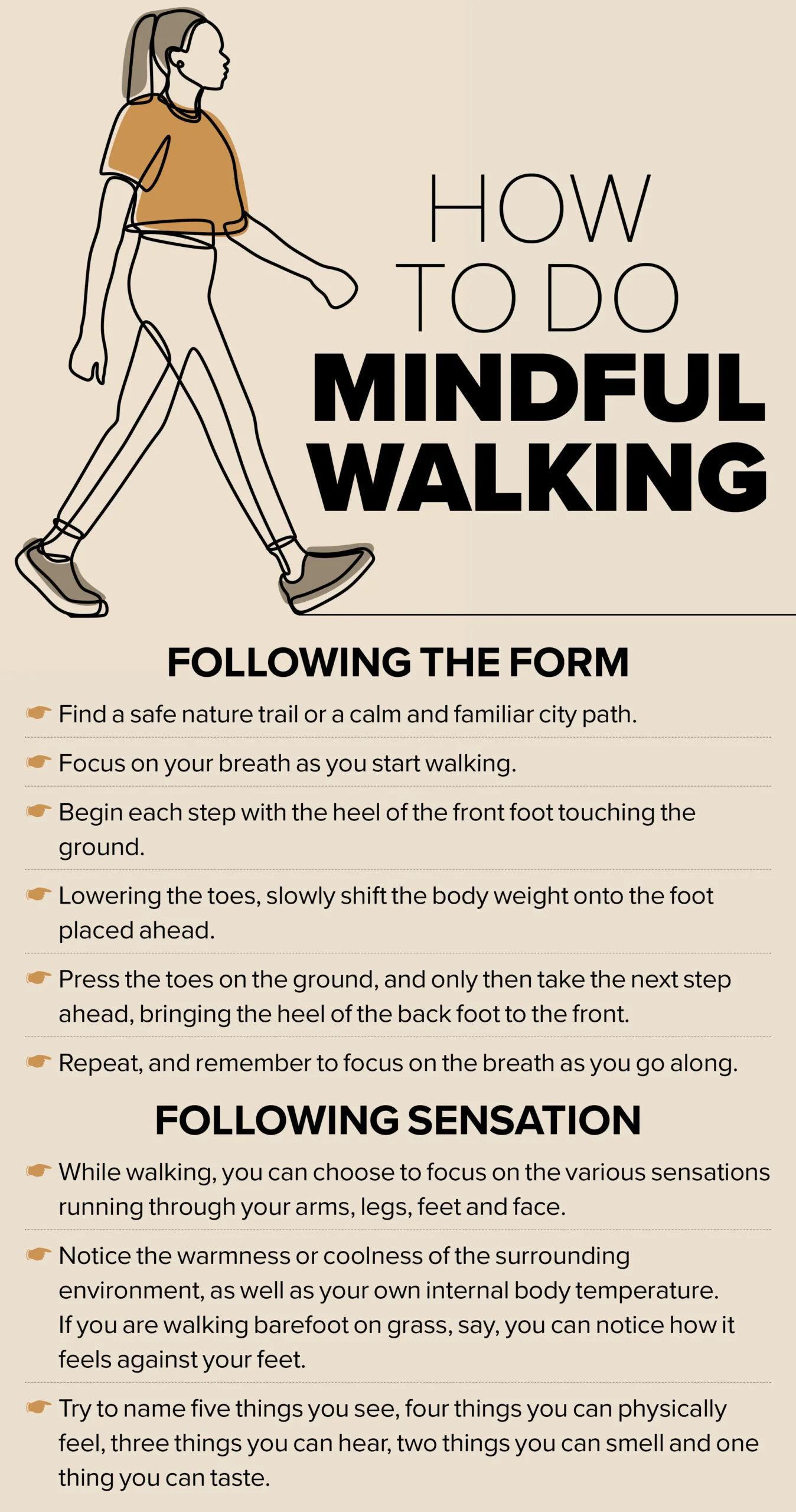
Mindfulness walking is a form of meditation practiced during a walk, where the focus is on being fully present in the movement and surroundings rather than letting the mind drift into worries or distractions. Unlike regular walking, which is often automatic and hurried, mindfulness walking encourages intentional awareness of each step, breath, and environmental detail. This focused attention helps break the cycle of anxious thoughts that can overwhelm the mind.
How It Benefits Anxiety Relief
Anxiety often manifests as a racing mind, tension, and restlessness. Mindfulness walking introduces a purposeful pause to physical activity, allowing the body to relax and the mind to settle. By bringing attention to the present moment, this practice reduces the tendency to ruminate on past events or future fears, which are common triggers for anxiety symptoms. The gentle rhythm of walking also aids in regulating the nervous system, promoting a sense of calmness and groundedness.
Scientific Backing for Mindfulness Walks
Research has increasingly highlighted the positive effects of mindfulness-based practices on mental health, particularly anxiety. Studies suggest that combining mindfulness with physical exercise like walking can boost serotonin levels, reduce cortisol (the stress hormone), and improve overall mood. Neuroscientific findings show changes in brain areas responsible for attention and emotional regulation following consistent mindfulness exercises, including walking. This evidence supports mindfulness walking as practical and effective for easing anxiety symptoms.
Preparing for Your Mindfulness Walk
Choosing the Right Environment
One challenge beginners face is finding an appropriate space to practice mindfulness walking. Urban areas with heavy traffic or loud noises can increase stress rather than alleviate it. Ideally, choose a quiet, natural environment such as a park, garden, or trail where the sights and sounds promote relaxation. These settings make it easier to focus on sensory details, enhancing the grounding experience of the walk.
Setting an Intention for Your Walk
Mindfulness begins with clear intention. Without it, the walk risks becoming another routine activity rather than a mindful practice. Before you start, take a moment to set a simple intention—whether it’s to calm anxiety, connect with your body, or simply notice your surroundings. This mental anchor helps guide your attention when distractions inevitably arise during the walk.
What to Wear and Bring
Comfort is key to sustaining mindfulness walking. Wear loose, breathable clothing and supportive shoes suited for the terrain. Avoid carrying heavy items that could distract you, but consider bringing a water bottle or a small journal if you wish to record reflections post-walk. Keeping your hands relaxed and free supports an open, calm posture conducive to mindfulness.
Step-by-Step Beginner-Friendly Mindfulness Walking Exercises
Exercise 1: Focused Breathing and Footsteps
This foundational exercise directs attention to the rhythm of breath and the sensation of feet touching the ground. Begin by walking at a comfortable pace. With each inhale, notice the rising of your chest or belly, and with each exhale, feel your body releasing tension. Synchronize your breath with your steps—for example, inhale for three steps and exhale for three steps. This combined focus slows your pace naturally and anchors your awareness to the present.
Exercise 2: Sensory Awareness Walk
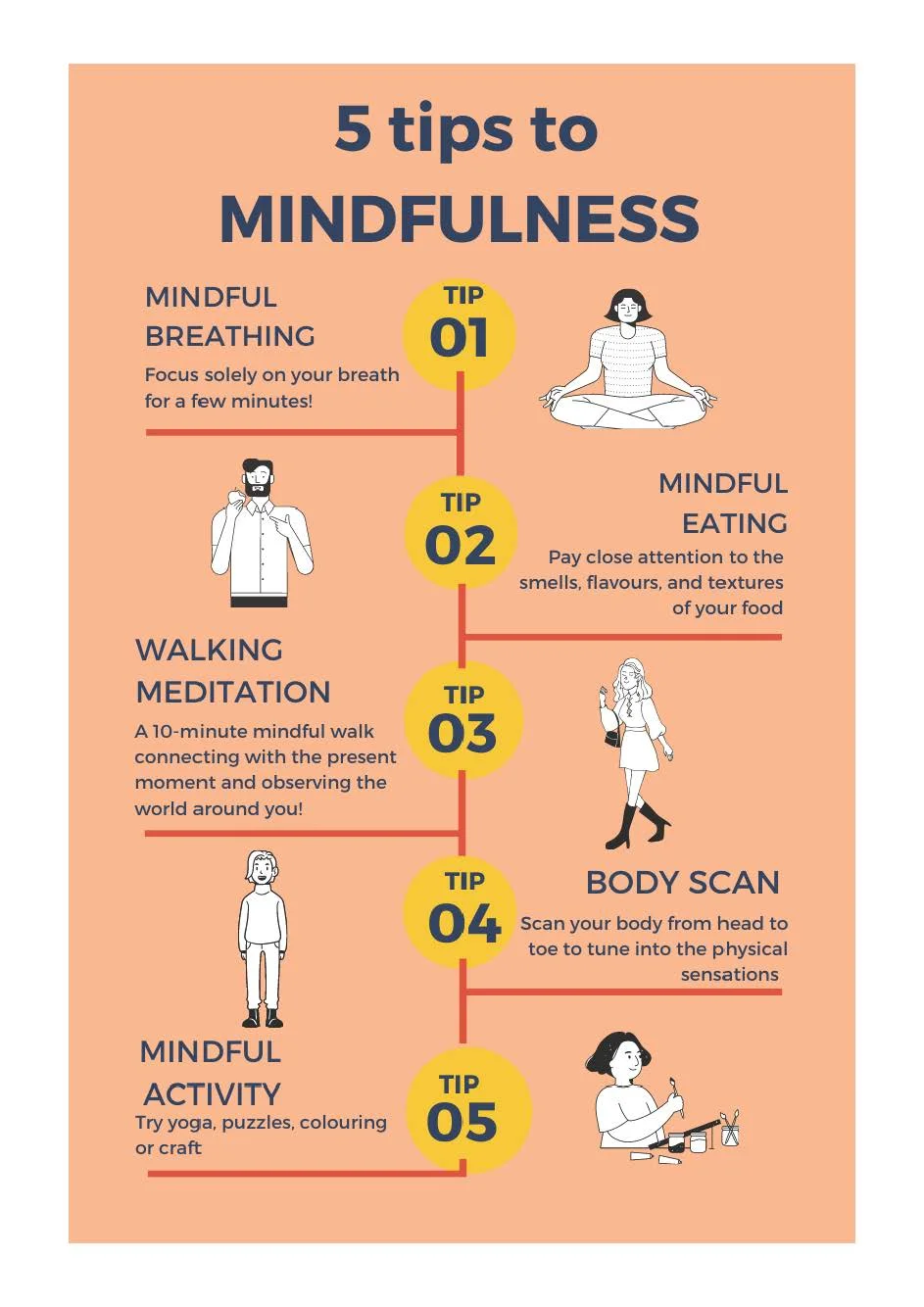
If anxiety leads to overwhelming mental chatter, shifting focus to the senses can provide relief. During your walk, gently scan your environment using your five senses. Notice the colors and shapes in the scenery, listen to birds or rustling leaves, feel the texture of the ground beneath your feet, smell fresh air or flowers, and if safe, even taste the air or water. This exercise cultivates curiosity, drawing you away from anxious thoughts and into immediate sensory experience.
Exercise 3: Grounding Through Nature Observation
Nature has a profound calming effect, but it requires intentional observation to benefit fully. During your walk, pause occasionally to study a natural element—a tree bark, a blooming flower, or a small insect. Observe its details without judgment or analysis. This grounding technique not only anchors you in the present but also nurtures a sense of awe and connection that counters anxiety’s isolating effects. Taking these mindful pauses deepens your engagement with the moment.
Tips to Maximize the Benefits of Mindfulness Walking
Mindful Posture and Movement
Even the smallest tensions in posture can undermine mindfulness walking’s calming potential. Slouching or tight shoulders signal stress and can continue anxious physical patterns. Aim to keep your back straight but relaxed, shoulders down, and arms swinging naturally. A mindful gait is unhurried, soft, and fluid. By embodying calmness, your body communicates safety to your brain, supporting emotional regulation.
Consistency and Routine
Another common pitfall is inconsistency. Anxiety rarely fades overnight. Establishing a regular mindfulness walking routine, even if just for 5 to 10 minutes daily, reinforces the calming pathways in the brain. Over time, these short but consistent sessions build resilience against anxiety triggers and make mindfulness a natural response rather than a deliberate effort.
Combining Mindfulness Walking with Other Anxiety-Reducing Practices
While effective on its own, mindfulness walking can be enhanced by integrating it with complementary strategies like deep breathing exercises, progressive muscle relaxation, or journaling. This multimodal approach addresses various dimensions of anxiety—physical, cognitive, and emotional—and provides more comprehensive relief. Experiment with these combinations to find what best supports your mental wellness.
Recognizing Progress and When to Seek Additional Help
Tracking Improvements in Anxiety Symptoms
It is important to notice and acknowledge subtle improvements stemming from mindfulness walking. Reduced frequency of anxious thoughts, better sleep, or an increased ability to stay present during stressful situations are positive signs. Keeping a journal or using a mood-tracking app can help document these changes, reinforcing motivation to continue the practice.
When Mindfulness Walking Isn’t Enough
Despite its benefits, mindfulness walking may not fully resolve severe or chronic anxiety. If symptoms persist, escalate, or interfere significantly with daily functioning, professional intervention is advisable. Therapies such as cognitive-behavioral therapy, medication, or specialized mindfulness-based stress reduction programs may be necessary. Consider mindfulness walking a valuable tool within a broader mental health strategy rather than a standalone cure-all.


