
Introduction to Indoor Plants for Small Spaces
Why Choose Indoor Plants for Air Quality?
In today’s urban living environments, small spaces are increasingly common, making it challenging to create a healthy and refreshing atmosphere indoors. One effective way to improve indoor air quality is by incorporating plants that naturally filter toxins and increase oxygen levels. Indoor plants act as natural air purifiers, helping to reduce pollutants that often accumulate in cramped living areas. The presence of these green companions not only refreshes the air but also contributes to a more pleasant and calming environment, which is essential for wellbeing in confined spaces.
Key Features of Easy-to-Care-For Plants
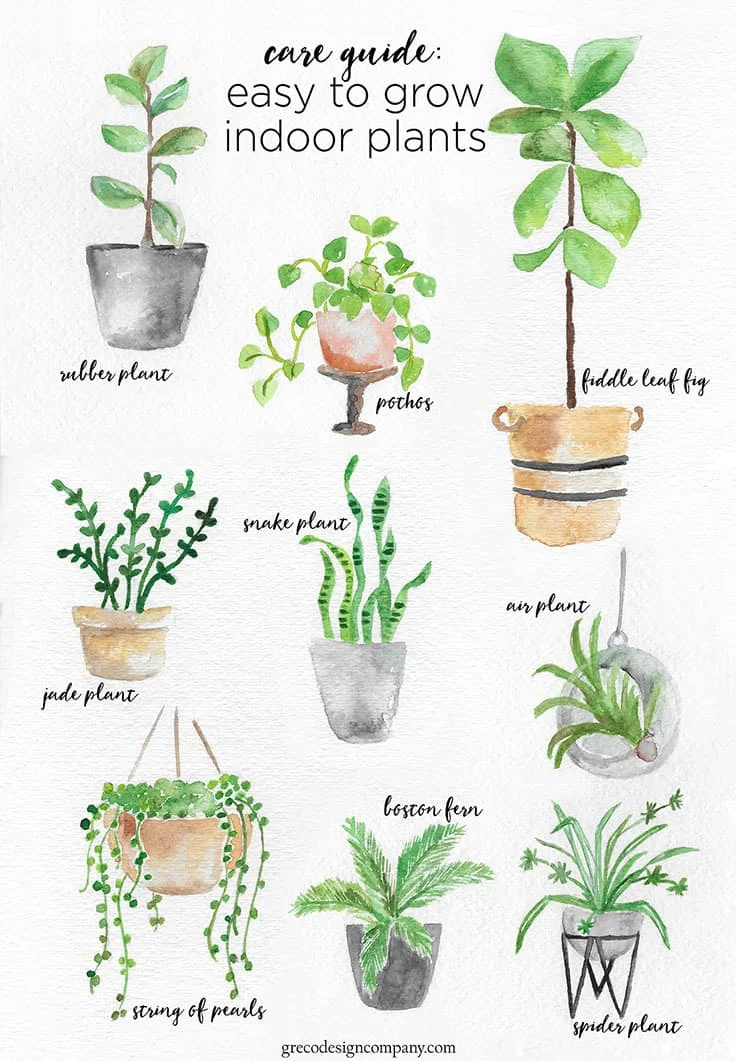
For those with limited time or little experience in plant care, selecting easy-to-care-for plants is crucial. These plants typically tolerate a range of lighting conditions, require minimal watering, and thrive in standard indoor temperatures. Additionally, they usually resist common pests and diseases, making them ideal for small spaces where maintenance options might be limited. By focusing on low-maintenance species, plant owners can enjoy the benefits of greenery without the stress of complicated care routines.
Top 5 Low-Maintenance Indoor Plants for Air Purification
Snake Plant (Sansevieria)
The snake plant is renowned for its resilience and air-purifying abilities. It can survive in low-light areas and requires infrequent watering, making it perfect for apartments or offices with minimal natural light. Its ability to convert carbon dioxide into oxygen at night also makes it a beneficial addition to bedrooms. The snake plant’s upright, sturdy leaves take up little floor space, fitting well into corners or narrow shelves.
Spider Plant (Chlorophytum Comosum)
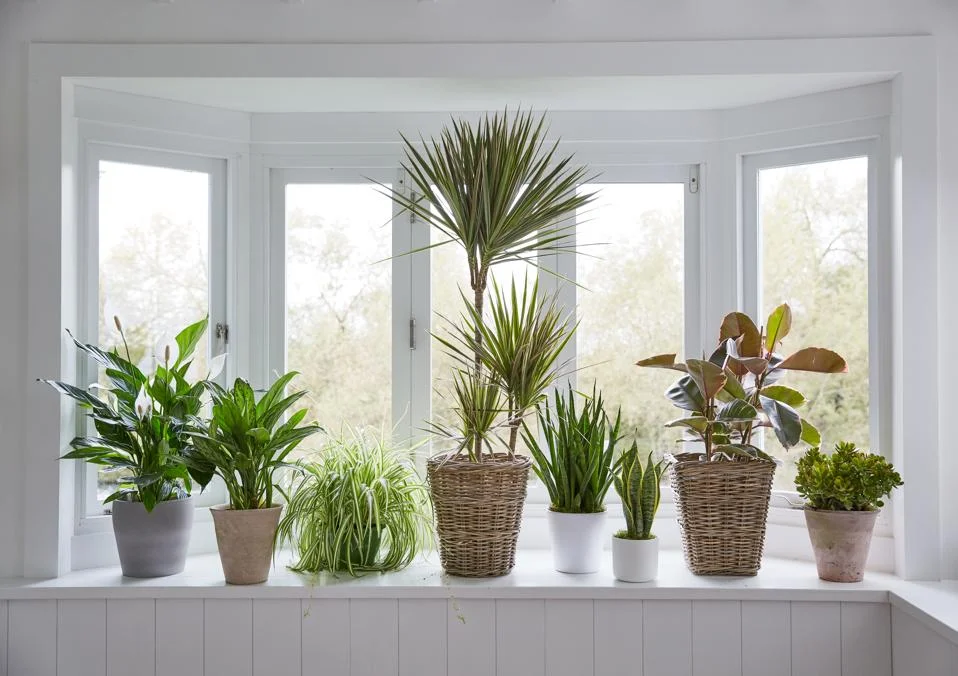
Spider plants are popular for their adaptability and rapid growth. They thrive in moderate indoor lighting and can endure periods of neglect, which suits busy lifestyles. Their arching leaves and small offshoots, known as “spiderettes,” add a dynamic visual element. Besides filtering harmful substances like formaldehyde, they are non-toxic, making them safe for homes with pets or children.
Peace Lily (Spathiphyllum)
Peace lilies are favored not only for their striking white blooms but also for their effectiveness in removing airborne toxins. Although they prefer indirect light, they can tolerate shaded areas, a typical condition in many small living spaces. While they require more consistent watering than snake or spider plants, their ability to signal water needs through drooping leaves simplifies care. Their lush foliage enhances indoor air quality and aesthetics simultaneously.
ZZ Plant (Zamioculcas Zamiifolia)
The ZZ plant is particularly suited for small spaces due to its tolerance for low light and drought conditions. Its waxy, thick leaves conserve water, allowing it to survive longer without attention. The ZZ plant efficiently filters indoor air pollutants, making it a robust choice where maintenance is sporadic. Its compact growth habit fits nicely on desks or shelves, contributing greenery without clutter.
Philodendron
Philodendrons are versatile and adaptable plants with heart-shaped leaves that brighten indoor environments. They can thrive in a variety of lighting situations and do not demand frequent watering, qualities that make them ideal for tight spaces. Their climbing or trailing nature allows for creative display options, and they assist in cleaning toxins often found in household air, thus promoting a healthier living area.
Understanding Plant Care Needs in Limited Spaces
Light Requirements for Small Indoor Areas
Insufficient natural light is a common problem in small living spaces. Many low-maintenance plants are capable of surviving in indirect or low light environments, reducing the need for window space or artificial lighting. However, it’s important to identify the specific light tolerance of each plant to ensure longevity. Positioning plants near north-facing windows or using sheer curtains can maximize diffused light without overwhelming delicate leaves.
Watering Tips for Busy Lifestyles
Overwatering is a frequent mistake that can lead to root rot or mold growth, especially when space limits airflow. Conversely, underwatering stresses plants, causing wilting and leaf drop. For those with hectic schedules, choosing plants that require less frequent watering is essential. Establishing a simple schedule, such as checking soil moisture weekly, can prevent these issues and maintain healthy plants in small spaces.
Optimal Potting and Soil Choices
Correct potting and soil selection are vital to plant health, particularly where space limits drainage options. Using pots with drainage holes and well-draining soil prevents waterlogging and promotes root aeration. For compact indoor areas, selecting pots that fit the plant’s current growth reduces unnecessary repotting and optimizes space use. Additionally, self-watering pots or containers with reservoirs can assist in consistent moisture management.
Benefits Beyond Air Quality
Mental Health and Productivity Boosts
Indoor plants have been linked to positive effects on mental health, including reduced stress and enhanced concentration. Their presence can create a more inviting and tranquil environment, which is particularly important in small spaces where stress can feel amplified. By fostering a connection to nature, these plants encourage relaxation and support productivity, whether at home or in small workspaces.
Aesthetic Enhancements for Small Interiors
Beyond their functional benefits, indoor plants add visual interest and texture to compact living areas. Carefully chosen greenery can complement décor, soften harsh lines, and create a sense of depth. The natural colors and unique shapes of low-maintenance plants contribute to personalizing small interiors, making them feel more welcoming and lively without occupying excessive space.
Creative Placement Ideas to Maximize Space
Hanging Planters and Wall-mounted Options
When floor space is limited, hanging planters and wall-mounted containers provide practical solutions. These options utilize vertical surfaces, freeing up valuable room while still incorporating greenery. This approach also allows for decorative arrangements that turn plants into living artwork, enhancing the ambiance without crowding.
Compact Shelving Solutions
Inserting plants onto narrow or multi-tiered shelving units makes use of otherwise underutilized spaces. This method allows for grouping various plants, creating a layered effect that maximizes green presence without sacrificing mobility. Shelves placed near light sources also ensure plants receive necessary illumination without overwhelming the area.
Multipurpose Plant Furniture
Furniture designs that integrate planters or green spaces serve a dual purpose in small rooms. Items such as side tables with built-in pots or desks with plant holders combine practicality with nature. This integration supports a seamless blend of function and style, making plant care convenient while enriching the living environment.
Conclusion: Choosing the Perfect Plant for Your Space
Selecting the right indoor plant for small spaces involves acknowledging the challenges of limited light, space, and time for upkeep. By focusing on low-maintenance varieties such as snake plants, spider plants, peace lilies, ZZ plants, and philodendrons, it’s possible to enjoy cleaner air and the many emotional and aesthetic benefits plants offer. Thoughtful placement and care tailored to small environments enhance these advantages, ensuring that greenery becomes a sustainable part of daily living. Prioritizing plants that align with individual conditions and lifestyles leads to a more vibrant, healthy indoor space that breathes life into compact surroundings.


