
Introduction to Screen-Free Family Activities
Why Choose Arts and Crafts on Rainy Days?
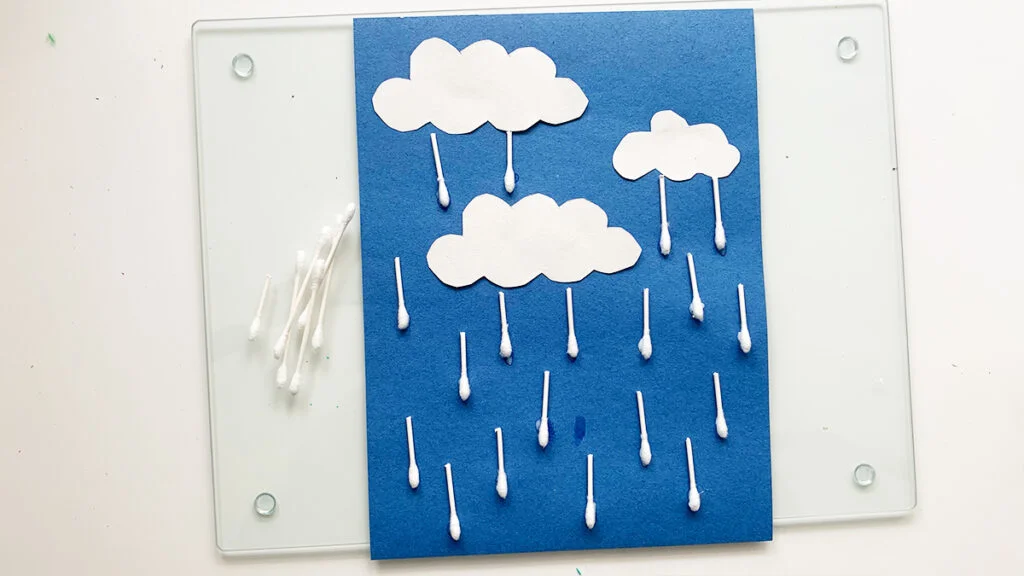
Rainy days often confine families indoors, limiting outdoor play and activities. It’s easy to default to screens for entertainment, but this can reduce meaningful interactions and creativity. Choosing arts and crafts during a rainy day creates an opportunity to connect in a hands-on way, offering a refreshing break from digital devices. These activities encourage families to collaborate and engage through shared creativity, turning a gloomy day into a joyful bonding experience.
Benefits of Creative Time Together
Spending time on arts and crafts as a family promotes communication and nurtures emotional connections. It helps children develop fine motor skills and boosts their imagination. For parents, it offers a chance to relax while actively participating in their children’s growth. The collective process of creating something from simple materials also fosters pride and a sense of accomplishment for everyone involved, strengthening family ties beyond passive entertainment.
Simple Materials You Probably Have at Home
Everyday Items Transformed into Art Supplies
One major hurdle in crafting can be the thought of needing special or expensive materials. However, many arts and crafts projects rely on everyday household items that are easy to find. Things like paper plates, old magazines, buttons, yarn, and cardboard can be repurposed effectively. This approach not only makes crafting accessible but also removes the stress of last-minute shopping, allowing families to dive right into creative fun without delay.
Eco-Friendly Crafting: Reuse and Recycle
Engaging in eco-friendly crafting introduces another valuable lesson for children—environmental consciousness. Using recycled materials like scrap paper, bottle caps, and fabric scraps not only reduces waste but also encourages inventive thinking. By demonstrating how to see potential in “trash,” families can develop sustainable habits and instill an appreciation for resourcefulness, making arts and crafts both enjoyable and educational.
Top 5 Easy Arts and Crafts Projects for Kids and Parents
Paper Plate Animals
Paper plate animals are a versatile project that allows children to unleash their creativity with minimal materials. The problem often lies in complexity, but using simple shapes and colors quickly turns paper plates into playful creatures. This project teaches children how to combine basic forms into imaginative designs, and parents can guide younger kids through cutting and gluing safely.
DIY Nature Collages
When stuck inside, bringing nature indoors through collages can be a wonderful artistic outlet. Collecting leaves, small twigs, or pressed flowers beforehand offers natural textures to work with. Building a collage solves the boredom problem by blending art and nature, fostering mindfulness and observation skills as children arrange found items into meaningful patterns.
Handprint Family Tree
Creating a handprint family tree presents a sentimental way to bond while crafting. The challenge here is finding a project that combines creativity with family connection. This craft uses simple painting techniques to outline each family member’s handprint, turning them into leaves or branches of a tree drawing. It not only results in a lasting keepsake but also sparks conversations about family heritage and relationships.
Homemade Playdough Fun
Store-bought playdough can be costly and have uncertain ingredients, causing concern for some parents. Making playdough at home tackles this issue by providing a safe, customizable alternative. The hands-on process of mixing ingredients is itself an educational activity. Plus, homemade playdough invites endless sculpting possibilities, promoting tactile learning and imaginative play as a family.
Colorful Popsicle Stick Frames
Popsicle stick frames merge functionality with creativity but often intimidate due to the precision required. Simplifying the process by letting children paint sticks in bright colors and glue them together freestyle reduces frustration. This project gives kids a tangible product they can use to display their art or family photos, strengthening the emotional reward of the effort.
Step-by-Step Guide to Setting Up a Rainy Day Craft Station
Organizing Materials for Easy Access
One common issue is the clutter and chaos that often accompany family craft time. Disorganized supplies can lead to frustration and wasted time. Setting up a dedicated craft station before starting ensures all materials are within reach and easy to identify. Using containers or trays to separate items by type helps maintain order and allows for smoother transitions between projects, making the experience more enjoyable.
Creating a Comfortable and Inspiring Workspace
Physical discomfort or uninspiring surroundings can dampen creative enthusiasm. It’s important to designate a well-lit, comfortable area with ample space for everyone to work together. Adding elements like colorful tablecloths, inspirational quotes, or displaying previous crafts can spark ideas and create a positive atmosphere. A welcoming workspace encourages longer engagement and deepens the family’s connection through shared artistry.
Encouraging Creativity and Collaboration
How to Spark Ideas Without Screens
Without digital distractions, some children may initially struggle to generate project ideas. The key is to foster a supportive environment where free expression is celebrated. Asking open-ended questions, sharing personal stories about past crafts, or exploring alternative materials can ignite imagination. This approach shifts the focus from perfection to fun experimentation, allowing creativity to flow naturally.
Using Stories and Role Play to Enhance Projects
Incorporating storytelling and role play into crafting can deepen engagement and make projects more meaningful. For instance, while building paper plate animals, families might invent stories about their characters or act out adventures. This technique solves the problem of limited interest by blending artistic expression with narrative creativity, making the experience memorable and educational.
Keeping the Momentum: Making Arts and Crafts a Regular Family Tradition
Ideas for Crafting Challenges and Themes
Maintaining enthusiasm for arts and crafts can be difficult over time. Without variety, activities risk becoming routine and losing appeal. Introducing monthly challenges or themed projects adds excitement and encourages ongoing participation. Themes like “seasons,” “animals,” or “famous artists” provide structure and inspiration, turning crafting into a recurring event that family members eagerly anticipate.
Documenting Your Creations as Family Memories
One overlooked aspect of family crafting is the value of preserving the hard work and memories created together. Taking photos of finished projects or compiling them into a scrapbook answers the problem of forgotten masterpieces. This practice not only celebrates the effort but also strengthens family traditions by creating a visual history to revisit and cherish, encouraging continued creative collaboration.


