
Understanding the Connection Between Hydration and Brain Health
The Role of Water in Brain Physiology
Water is essential to nearly every process in the body, especially brain function. The brain is composed of about 75% water, which supports neural activity and nutrient transport. Proper hydration helps maintain the structure of brain cells and facilitates the communication between neurons. Without adequate water, these processes can slow down, affecting overall mental performance.
How Dehydration Impacts Cognitive Performance
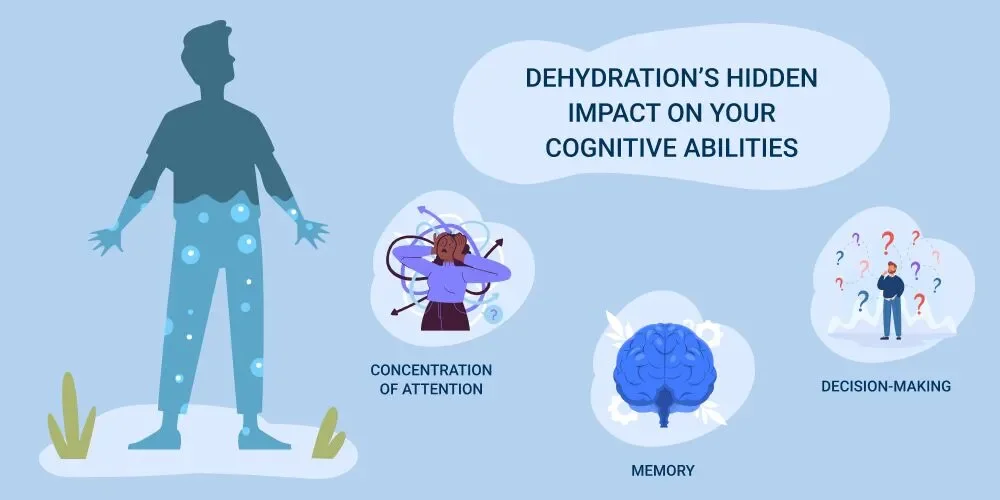
Even mild dehydration can disrupt cognitive abilities. It may cause difficulty concentrating, slower reaction times, and impaired memory recall. The brain’s efficiency depends on maintaining its fluid balance, so a lack of hydration can lead to reduced alertness and mental fatigue throughout the day.
Daily Hydration Patterns and Their Influence on Mental Clarity
Optimal Hydration Timing for Sustained Focus
Consistent hydration spaced evenly during the day tends to support the best mental clarity. Starting the morning with water helps kickstart brain activity after sleep. Drinking fluids before and during mentally demanding tasks can prevent dips in concentration. Avoiding long gaps without water is key to sustaining cognitive function.
Common Hydration Mistakes That Hinder Brain Function
Many people delay drinking fluids until they feel thirsty, which means dehydration may already be affecting the brain. Overreliance on caffeinated or sugary beverages can also disrupt hydration balance. Drinking large volumes infrequently rather than smaller amounts regularly may cause fluctuations in mental sharpness as well.
Science-Backed Benefits of Regular Water Intake for Cognitive Skills
Memory Enhancement Linked to Proper Hydration
Research indicates that adequate hydration supports both short-term and working memory. Staying hydrated helps maintain the electrical activity in the brain cells that underlie memory processes. This can translate to improved ability to learn and recall information during cognitive tasks.
Improved Attention and Reaction Times
Consistent hydration is associated with better attention span and quicker response times. Water helps optimize brain function, which is necessary for processing information swiftly and maintaining focus during demanding activities. Even slight dehydration reduces these cognitive skills.
Strategies to Incorporate Consistent Hydration Into Busy Lifestyles
Tracking Intake: Tools and Tips
Using reminders or mobile apps can help maintain regular water intake. Setting small, achievable goals throughout the day encourages steady hydration without overwhelming the routine. Carrying a reusable water bottle is a practical way to keep fluids accessible at all times.
Hydrating Foods to Complement Fluid Consumption
Certain fruits and vegetables have high water content, making them excellent complements to drinking water. Foods like cucumbers, oranges, watermelon, and leafy greens contribute additional hydration and valuable nutrients, supporting brain function more effectively.
Signs of Dehydration Affecting Mental Clarity and How to Prevent Them
Recognizing Early Symptoms
Common early signs of dehydration include headaches, difficulty focusing, and feelings of fatigue. Mental cloudiness or irritability might also indicate that the brain needs hydration. Recognizing these symptoms early can help prevent cognitive decline as the day progresses.
Quick Fixes for Restoring Hydration and Focus
When signs of dehydration appear, sipping water steadily rather than gulping large amounts can quickly improve hydration status. Taking short breaks to drink fluids and pairing them with light snacks can also help restore mental clarity and energy levels.


