
Understanding the Importance of a Distraction-Free Home Office
The Impact of Environment on Work Productivity
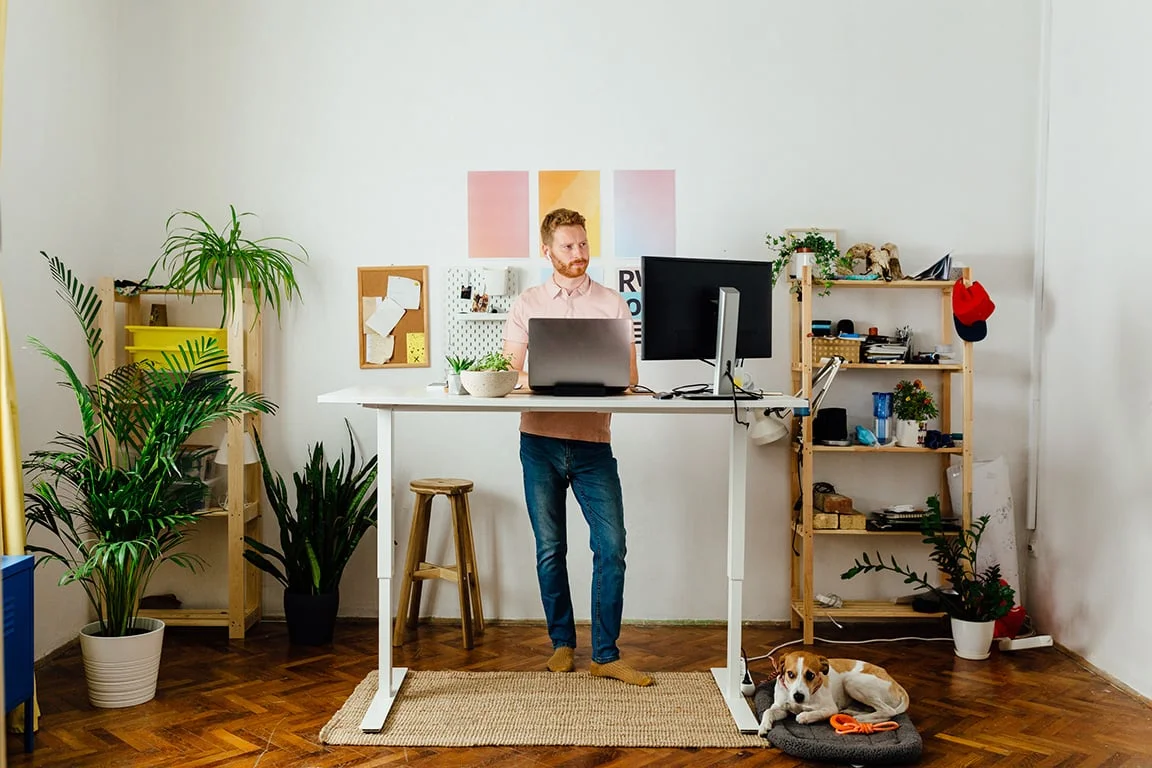
Creating a distraction-free home office is essential for maintaining high productivity when working remotely. The environment where you work significantly influences your ability to focus, manage tasks efficiently, and maintain motivation throughout the day. A cluttered or noisy space can lead to frequent interruptions, reducing the quality of your output and increasing stress levels. Conversely, a clean, organized, and thoughtfully designed workspace helps you stay attentive and energized, making remote work more effective and enjoyable.
Common Distractions Remote Workers Face
Remote workers often struggle with interruptions stemming from both household activities and digital sources. Noise from family members, pets, or everyday household chores can disrupt concentration. Moreover, the proximity to non-work items, such as televisions or personal devices, often tempts workers to divert attention. Digital distractions, such as constant notifications from emails, social media, or messaging apps, further fragment focus. Recognizing these common disruptions is the first step toward creating a workspace that minimizes their impact.
Designing Your Ideal Workspace
Choosing the Right Location Within Your Home
Finding the ideal spot for your home office is crucial to reducing distractions. A quiet corner or a separate room away from high-traffic areas helps limit interruptions from household noise and activities. Natural separation not only reduces external distractions but also psychologically signals “work mode,” helping you transition between personal and professional time. When space is limited, investing in room dividers or setting clear physical boundaries can also create an effective barrier against distractions.
Ergonomic Furniture Selection
Uncomfortable furniture can cause physical discomfort that breaks concentration and hampers productivity. Selecting ergonomic chairs and desks designed to support correct posture helps reduce fatigue and discomfort. Adjustable chairs that support the lower back and desks set at a comfortable height encourage longer focus periods. Prioritizing ergonomics is a preventive measure against physical strain, ensuring your workspace supports not just mental clarity but also your overall well-being.
Optimizing Lighting for Focus and Comfort
Poor lighting can lead to eye strain and headaches, both of which negatively affect work focus. Ideally, your workspace should incorporate ample natural light, which boosts mood and alertness. Positioning your desk near a window helps achieve this, but it’s important to balance glare and direct sunlight, which can be distracting. When natural light is insufficient, quality adjustable task lighting can provide comfort and reduce shadows, creating an inviting environment that keeps you alert throughout the day.
Decluttering Strategies for a Minimalist Workspace
Organizing Essentials vs. Removing Unnecessary Items
Workspace clutter often results from mixing essential work tools with unrelated items, which diverts your attention. Identifying what you truly need—such as your computer, notepads, and reference materials—and separating these from non-essential objects helps maintain focus. Clearing away excess items minimizes visual distractions, enabling you to concentrate fully on your tasks. This selective approach to keeping only necessary items fosters a minimalist mindset that supports productivity.
Storage Solutions to Keep Your Desk Clean
Lack of proper storage contributes to a messy desk, which can quickly become overwhelming. Utilizing drawers, shelves, and organizers keeps papers, cables, and office supplies neatly tucked away, maintaining a clean and inviting workspace. Investing in practical storage solutions ensures everything has a place, reducing the time spent searching for items and helping sustain a distraction-free environment. Consistent tidying habits complement these tools, further preserving workspace order.
Technology Setup to Minimize Interruptions
Using Noise-Cancelling Tools and Apps
Background noise can be one of the most persistent disturbances in a home office. Noise-cancelling headphones or earbuds effectively block distracting sounds and help you stay immersed in your work. Additionally, various apps provide ambient soundscapes or white noise, which can mask disruptive household noises. These tools create an auditory buffer that enhances concentration, making it easier to maintain focus during challenging or noisy periods.
Managing Notifications and Digital Distractions

Digital interruptions often come unexpectedly via emails, instant messages, or social media alerts. This constant stream of notifications fragments attention and reduces deep work time. Setting clear rules for when and how to check messages—such as designated email times or using “Do Not Disturb” modes—can significantly reduce distractions. Using apps that limit access to distracting websites or temporarily mute notifications helps maintain your focus, allowing you to work more efficiently.
Establishing Boundaries and Routines
Communicating Workspace Boundaries to Household Members
One of the biggest productivity challenges is unplanned interruptions from family or housemates. Clearly communicating your work schedule and expectations helps establish respect for your workspace and time. Simple signals like a closed door or a visible “working” sign can reduce spontaneous disturbances. When household members understand when you need quiet and uninterrupted periods, these boundaries create a supportive environment that safeguards your concentration.
Creating Consistent Work Hours and Breaks
Working remotely without a structured schedule can cause inconsistent productivity and burnout. Establishing regular start and end times for your workday helps create routine and discipline, separating work time from personal time. Scheduling planned breaks encourages mental rest and reduces fatigue. Consistent routines not only protect your productivity but also improve work-life balance, allowing you to recharge and maintain long-term focus.
Maintaining Long-Term Focus
Incorporating Mindfulness and Break Techniques
Even with an optimized environment, mental fatigue can erode focus over time. Integrating mindfulness practices such as deep breathing or brief meditation during breaks helps clear the mind and improve concentration. Techniques like the Pomodoro method, which alternates periods of focused work with short rests, combat burnout and maintain steady productivity. These habits train your brain to stay attentive and recharge efficiently, essential for sustainable remote work.
Periodic Workspace Reviews and Adjustments
What works initially may become less effective as your needs or circumstances change. Regularly reviewing your workspace setup allows you to identify new distractions or discomforts and make necessary adjustments. This might include rearranging furniture, upgrading equipment, or tweaking routines. Staying proactive about your environment prevents stagnation and ensures your home office continues to support peak productivity over time.


