
Introduction to Mindful Morning Walking
Understanding Mindfulness and Emotional Resilience
Mindfulness is the practice of focusing attention on the present moment with openness and non-judgment. When combined with a routine like morning walking, it becomes a powerful tool to nurture emotional resilience—the ability to adapt and recover from stress, adversity, or emotional challenges. By intentionally tuning into your surroundings and inner experiences, mindfulness helps you develop greater awareness of your reactions and cultivate calmness, even amid uncertainty.

The Science Behind Morning Rituals
Morning rituals establish a positive tone for the day by activating the brain’s focus and stress regulation centers. Research shows that engaging in intentional activities shortly after waking can stabilize mood, improve cognitive function, and set up habits that promote long-term well-being. Walking in the morning, especially when paired with mindfulness, enhances the benefits by combining physical movement with mental clarity, encouraging a resilient mindset ready to face daily demands.
Preparing for Your Mindful Walking Habit
Choosing the Ideal Walking Environment
The environment you select for your mindful walk greatly impacts the experience. Natural settings like parks, tree-lined streets, or quiet trails tend to support relaxation and sensory awareness better than busy, noisy urban areas. Consider places where you can walk safely without interruptions and where you feel comfortable to slow down and observe. The change of scenery or fresh air itself can amplify your mindfulness practice and emotional regulation.
Setting Realistic and Personalized Goals
Before you begin, it’s important to clarify what you want to achieve with your mindful walking practice. Instead of aiming for overly ambitious distances or durations, start with manageable goals tailored to your lifestyle and physical condition. Perhaps five to ten minutes of intentional walking is a good launch point. These achievable targets encourage consistency and reduce the chance of burnout, making it easier to build a sustainable habit that supports emotional resilience over time.
Step-by-Step Guide to Mindful Morning Walking
Pre-Walk Mindfulness Practices
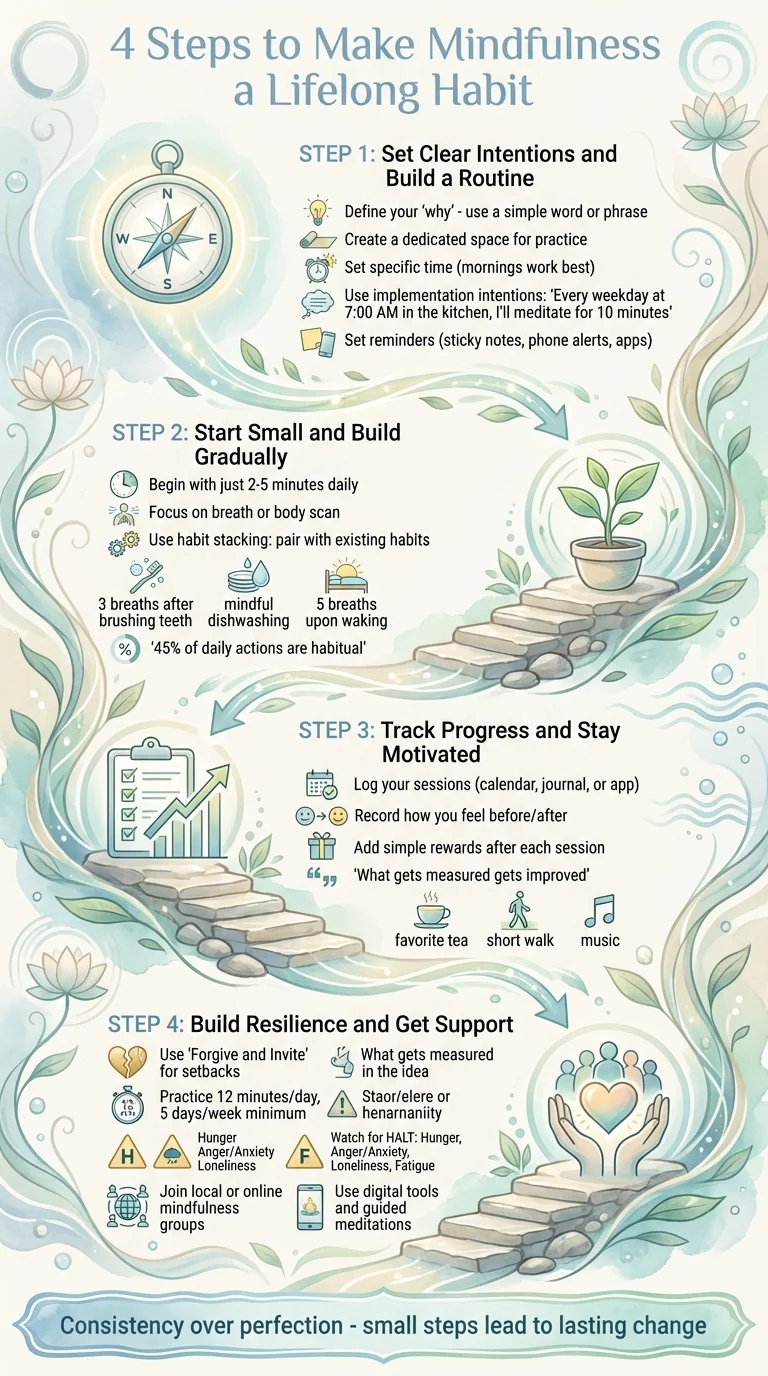
Begin your routine with a brief moment of stillness. This could be sitting quietly for a few minutes to focus on your breath, noticing any tension in your body, or setting an intention for your walk. This preparatory step helps shift your mind from sleep mode or distraction into a present-focused state, priming you to engage fully in the upcoming walk.
Techniques for Staying Present During the Walk
As you walk, gently bring your awareness to the sensation of each step—the lift and fall of your foot, the rhythm of your stride. Notice the feeling of the ground beneath you or the air touching your skin. If your mind wanders to other thoughts or worries, acknowledge them without judgment and then redirect your focus back to your bodily sensations and environment. This continual refocusing builds your mindfulness muscle gradually and deepens emotional resilience.
Incorporating Breathing and Sensory Awareness
Combining breath awareness with sensory observation enriches your mindfulness during the walk. Try synchronizing your steps with slow, deliberate breaths, perhaps inhaling for four steps and exhaling for four. At the same time, expand your awareness to the sounds around you—the rustle of leaves, distant birdsong—or the colors and shapes you encounter. These layered attentions anchor you in the present moment, enhancing calm and clarity.
Integrating Emotional Resilience Practices
Using Affirmations and Positive Visualization
While walking mindfully, introducing affirmations can reinforce your emotional strength. Repeat simple, positive phrases that resonate with you, such as “I am calm and capable” or “I can handle whatever comes today.” Alongside affirmations, engage in positive visualization by imagining yourself responding to challenges with confidence and ease. These techniques support reframing stressful thoughts and fostering a resilient outlook.
How to Process Emotions While Walking
Morning mindful walking is an ideal moment to gently explore your current emotional state. If you notice feelings like anxiety, sadness, or frustration, observe them openly without trying to suppress or analyze too deeply. Allow yourself to experience these emotions as passing sensations, much like the external stimuli around you. This practice aids in developing emotional regulation by creating space for emotions instead of reacting impulsively.
Maintaining and Adapting Your Habit Over Time
Tracking Progress and Emotional Changes
To maintain motivation and recognize growth, consider keeping a simple journal or using an app to record your walking sessions and note how you feel afterward. Over weeks and months, you may notice improvements in your mood, stress levels, or clarity of thought. Reflecting on these changes encourages commitment and helps you understand what aspects of your practice are most beneficial, allowing you to tailor the habit to your evolving needs.
Overcoming Common Challenges and Plateaus
It’s natural to encounter obstacles such as waning motivation, time constraints, or unpredictable weather. Address these by introducing flexibility—adjust your walking time, try indoor mindfulness exercises on difficult days, or partner with a friend for accountability. If progress plateaus, remind yourself that emotional resilience builds gradually. Modifying your approach rather than abandoning the habit keeps you on a sustainable path.
Benefits Beyond Emotional Resilience
Physical Health Improvements
Regular morning walking, mindful or not, contributes to better cardiovascular health, improved musculature, and increased energy levels. When combined with mindfulness, the physical benefits are enhanced as stress reduction supports healthier bodily systems. This holistic improvement promotes overall vitality, making it easier to engage fully in daily life.
Boosting Creativity and Focus
Mindful movement stimulates both hemispheres of the brain, which can enhance creative problem-solving and mental clarity. Starting your day with mindful walking helps clear mental clutter and primes your attention, making it easier to focus on tasks or generate innovative ideas. This cognitive boost complements the emotional resilience gained, creating a well-rounded foundation for personal and professional growth.


