
Understanding the Challenges of Eating Out on Business Trips
Common Dietary Pitfalls During Frequent Travel
Frequent business travel often disrupts normal eating routines. Many professionals find themselves relying on quick-service restaurants, airport food courts, or hotel room service, where calorie-dense and nutrient-poor options are common. For instance, ordering fried foods or oversized portions can quickly become the norm when schedules are tight and healthy options aren’t immediately visible. This pattern often leads to imbalanced meals heavy in fats and sugars but lacking in essential nutrients like fiber and protein.
Impact of Irregular Meals on Health and Productivity
Skipping meals or eating at irregular times can cause blood sugar spikes and drops, resulting in fatigue and reduced concentration. Imagine completing back-to-back meetings only to realize your energy is lagging due to a missed lunch or a carb-heavy dinner the night before. Over time, these habits can contribute to weight gain, digestive issues, and even increased stress—affecting both physical well-being and work performance.
Planning Ahead: Strategies for Balanced Nutrition
Researching Healthy Restaurant Options in Advance
One simple yet effective strategy is to explore dining options before arriving at your destination. Using apps like Yelp or Google Maps, you can search for restaurants known for fresh ingredients and balanced menus. For example, a traveler heading to Chicago might find farm-to-table restaurants or salad bars near their hotel. This preparation helps avoid the temptation of fast food and ensures access to meals that provide adequate proteins, vegetables, and whole grains.
Preparing Portable, Nutrient-Dense Snacks
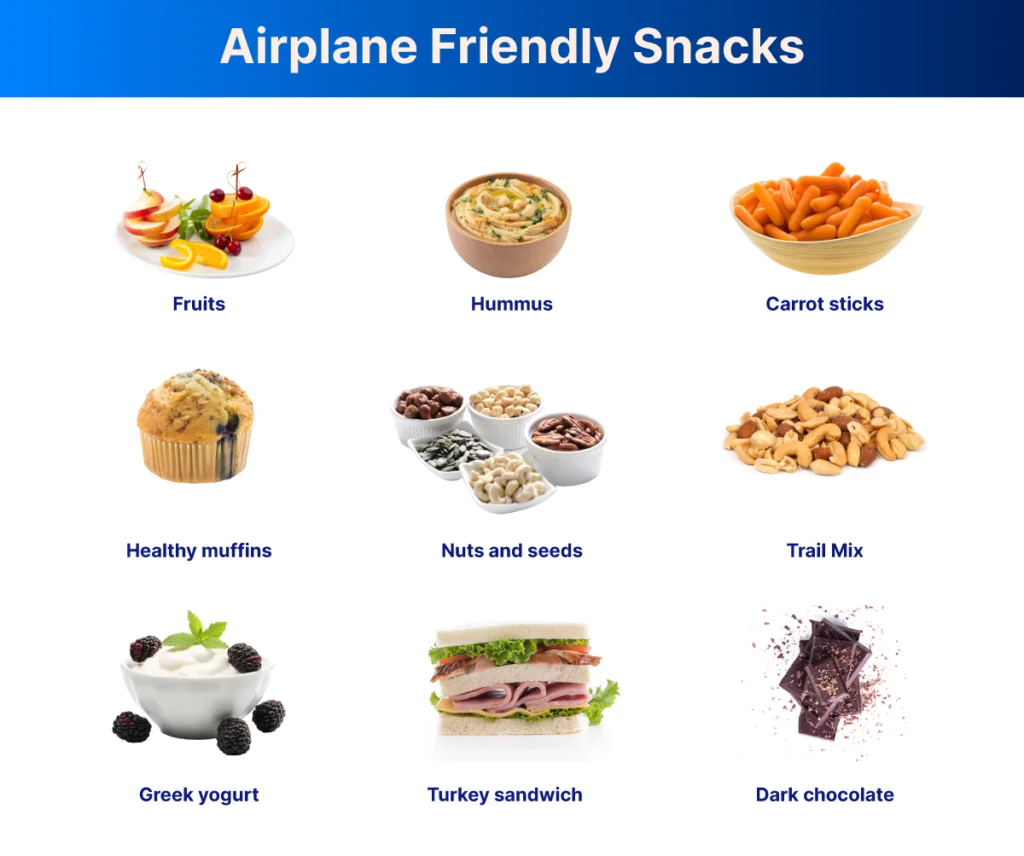
Bringing along healthy snacks is another practical tactic. Packing mixed nuts, protein bars with minimal added sugars, or fresh fruit can provide fuel between meetings or during long flights. In one case, a marketing executive who frequently traveled found that keeping a stash of almonds and dried apricots prevented the mid-afternoon energy crash often caused by empty-calorie snacks offered at business events.
Smart Ordering Tips for Business Meals
Decoding Menus to Identify Healthy Choices
Menus can often list dishes that sound appealing yet may be unhealthy. Learning to interpret menu terms helps make better decisions. Words like “grilled,” “steamed,” or “roasted” typically indicate healthier cooking methods compared to “fried” or “crispy.” For example, ordering grilled salmon instead of fried chicken offers not only better nutritional value but also sustained satiety throughout a busy workday.
Customizing Meals Without Compromising Taste
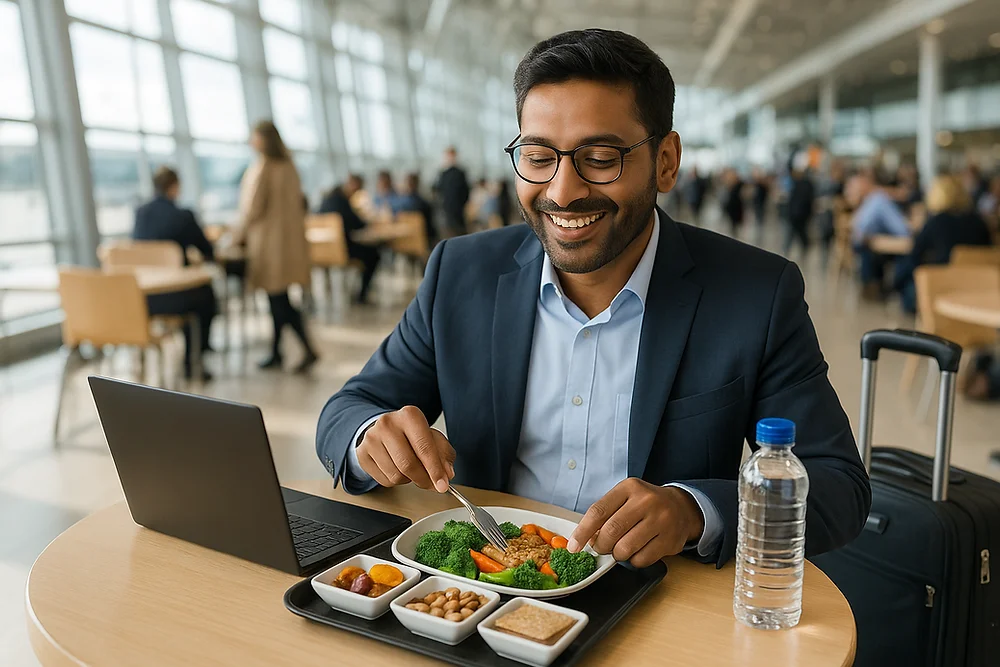
Don’t hesitate to request modifications. Many restaurants are happy to accommodate requests like swapping fries for steamed vegetables or asking for dressings and sauces on the side. In one situation, a consultant traveling for meetings regularly ordered a steak salad with dressing on the side, which allowed control over calorie intake while still enjoying a flavorful meal.
Managing Portions and Meal Timing
The Role of Portion Control While Dining Out
Restaurants often serve portions much larger than standard recommendations. Sharing a dish with a colleague or asking for a to-go box right away can help manage intake and prevent overeating. For instance, a financial advisor found ordering half portions at lunch helped maintain energy without feeling sluggish during afternoon appointments.
Aligning Meal Times with Your Body’s Needs
Adjusting meal times to your body’s signals, rather than purely following a busy schedule, is crucial. If a business dinner is late, a light snack earlier in the evening can prevent overeating later. Travelers often note that tuning in to hunger cues rather than eating out of boredom or habit helps regulate metabolism, especially across time zones.
Maintaining Hydration and Avoiding Empty Calories
Choosing Beverages Wisely During Business Meals
Hydration is frequently overlooked amid meals and meetings. Opting for water, sparkling water, or unsweetened teas instead of sugary sodas or alcoholic beverages reduces empty calories. In one case, an executive replaced his usual post-lunch soda with mineral water and noticed a marked improvement in afternoon alertness and digestion.
How Hydration Supports Overall Balance
Water plays an essential role in digestion, temperature regulation, and cognitive function. Particularly during travel, dry airplane cabins and increased caffeine consumption can lead to dehydration. Making a conscious effort to drink water consistently supports both physical well-being and mental clarity, crucial for high-stakes business environments.
Incorporating Physical Activity Amidst Travel
Quick Exercises to Complement Balanced Eating
Balancing diet with movement amplifies health benefits, even on a tight business schedule. Simple stretches or a 10-minute bodyweight workout in the hotel room keeps circulation flowing and counters the effects of prolonged sitting. For example, a sales manager found that a morning routine of jumping jacks and lunges boosted her energy and improved sleep quality during trips.
Using Hotel Amenities to Stay Active
Many hotels offer gyms, pools, or walking paths. Taking advantage of these facilities, even for short sessions, supports cardiovascular health and stress reduction. One frequent traveler shared how morning swims at his hotel helped reset his mind and maintain fitness despite consecutive days of meetings.
Conclusion: Sustaining a Balanced Diet Over the Long Term
Consistently eating balanced meals during frequent business trips is challenging but achievable with intentional planning and mindful choices. By researching restaurants ahead, customizing meals, managing portions, staying hydrated, and incorporating physical activity, business travelers can maintain their health and productivity. Over time, these habits build resilience and well-being, turning frequent travel from a dietary risk into an opportunity for sustained wellness.


