
Unlocking Fat Burn Potential: The Power of 10-Minute Workouts
Why Short Workouts Can Be More Effective Than Longer Sessions
When it comes to fat burning, many people assume that longer workouts are always better. However, brief, high-intensity sessions can often outperform extended exercise periods. This is mainly because short, intense workouts keep your metabolism elevated long after the session ends, a phenomenon known as excess post-exercise oxygen consumption (EPOC). This means your body continues to burn calories at a higher rate, even while resting.
Besides metabolic benefits, shorter workouts are more manageable for busy schedules, reducing the likelihood of burnout or skipping exercise altogether. By focusing on efficiency and intensity, a 10-minute routine can maximize fat burn without requiring a significant time commitment.
Understanding the Science of Fat Metabolism in Brief Exercise Windows
Fat metabolism during exercise depends largely on the intensity and duration of the activity. While longer, moderate workouts primarily tap into fat stores for energy, short bursts of high-intensity activity can trigger a different metabolic response. These intense periods stimulate both carbohydrate and fat burning as your body seeks to quickly replenish energy stores post-exercise.
Research shows that high-intensity interval training (HIIT) improves insulin sensitivity and mitochondrial function, which enhances the body’s ability to burn fat effectively. Even in a 10-minute window, you can stimulate these processes by combining varied exercises that push your heart rate into fat-burning zones, ultimately accelerating fat loss despite the brief time frame.
Designing Your Ultimate 10-Minute Fat-Burning Routine
Key Exercise Types for Maximizing Fat Loss Quickly
To truly maximize fat burn in a short amount of time, your workout should include exercises that challenge multiple muscle groups and stimulate cardiovascular response simultaneously. Compound movements like squats, lunges, and push-ups engage more muscles and burn more calories than isolated exercises.
Incorporating plyometric moves such as jump squats or burpees can rapidly increase your heart rate, pushing your body into higher fat-burning zones. Additionally, integrating strength elements helps preserve muscle mass, which is crucial because more muscle means a higher resting metabolic rate.
Sample Workout Plan: Combining Cardio, Strength, and HIIT
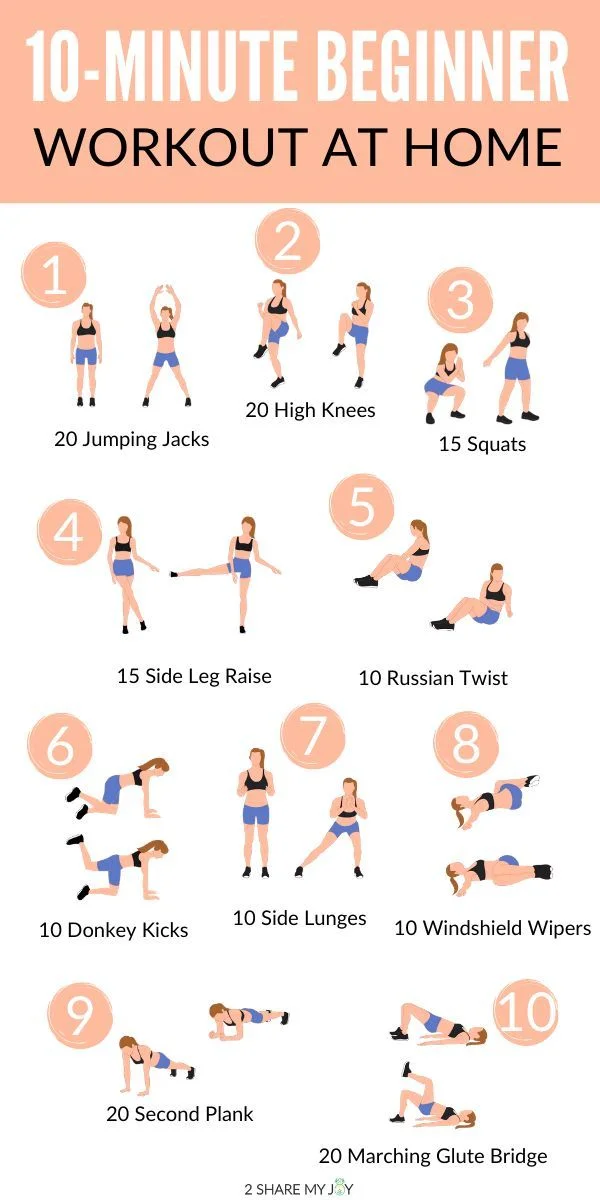
A balanced 10-minute fat-burning workout might start with 2 minutes of dynamic warm-ups like jumping jacks or high knees to prepare your body. Then, cycle through 30 seconds of intense exercise followed by 15 seconds of rest, repeating the sequence for about 7 minutes. For example, you could perform burpees, mountain climbers, squat jumps, and push-ups in rotation.
Ending with a minute of cooldown and gentle stretching allows your heart rate to settle, helping your body recover and reducing muscle soreness. This combination leverages cardio to raise your heart rate, strength training to build muscle, and HIIT to maximize calorie burn in a compact timeframe.
Optimal Timing and Frequency for Quick Fat-Burn Sessions
Best Times of Day to Perform Short Workouts for Maximum Effect
The timing of your 10-minute workout can influence its effectiveness, though the best time often depends on your personal schedule and body rhythm. Morning workouts can jumpstart your metabolism, setting a positive tone for the day and increasing energy levels. Exercising before breakfast, for instance, may encourage your body to use fat as a primary fuel source.
Alternatively, some find that afternoon or early evening sessions align better with peak physical performance, as body temperature and muscle strength tend to be higher. Ultimately, the most important factor is consistency—choose a time you can maintain regularly to develop a sustainable habit.
How Often Should You Do 10-Minute Workouts to See Results?
While a single 10-minute session is beneficial, regular practice amplifies fat-burning effects. Engaging in these workouts 4 to 6 times per week can produce visible changes in body composition over a few weeks. This frequency balances adequate exercise with sufficient rest, allowing muscle recovery and preventing injury.
Incorporating variety within your routine is also essential to avoid plateaus. Mixing different exercises or alternating workout intensity can keep your body challenged and promote continued fat loss progress.
Enhancing Fat Burn with Nutrition and Lifestyle
Pre-Workout Nutrition Tips to Boost Fat Metabolism
What you eat before your workout can impact how efficiently your body burns fat during exercise. Consuming a small, balanced snack with carbohydrates and protein about 30 to 60 minutes prior can provide the energy needed for high-intensity performance without causing digestive discomfort.
Examples include a banana with a spoonful of nut butter or a small yogurt with berries. Staying well-hydrated is equally important, as dehydration can reduce workout intensity and limit fat metabolism efficiency. Avoid heavy meals or sugary snacks right before exercising, as they may cause energy crashes.
Post-Workout Strategies for Sustained Fat Loss
After your workout, focus on recovery nutrition that supports muscle repair and replenishes glycogen stores without negating fat loss goals. Prioritizing lean protein along with complex carbohydrates helps build and maintain lean muscle mass, which in turn aids ongoing fat burning.
Additionally, maintaining a balanced diet throughout the day and managing stress levels are crucial for sustainable fat loss. Poor sleep and high stress can impair hormone regulation, leading to increased appetite and fat storage, undermining your workout efforts.
Tracking Progress and Staying Motivated
Simple Metrics to Measure Fat Burn Success
Monitoring your progress can keep motivation high and clarify whether your 10-minute workouts are effective. Instead of fixating solely on scale weight, consider additional measures such as waist circumference, how your clothes fit, or energy levels during daily activities.
Using a fitness tracker or app to observe improvements in workout intensity, duration, or recovery times can also provide satisfying evidence of progress. These indicators collectively paint a closer picture of fat loss success beyond just numbers.
Tips for Maintaining Consistency with Short Home Workouts
Consistency is key with any exercise routine, especially when sessions are brief. Establishing a dedicated spot in your home for workouts can minimize setup time and encourage daily commitment. Setting reminders or pairing your workout with daily habits like morning coffee or an evening wind-down can help embed the habit.
Keep your workouts engaging by trying new exercises or increasing intensity gradually. Finally, celebrate small victories along the way; acknowledging progress fuels motivation and makes sticking to your fat-burning routine a rewarding experience.


