
Understanding Burnout in Remote Work Environments
Defining Burnout: What It Means for Remote Employees
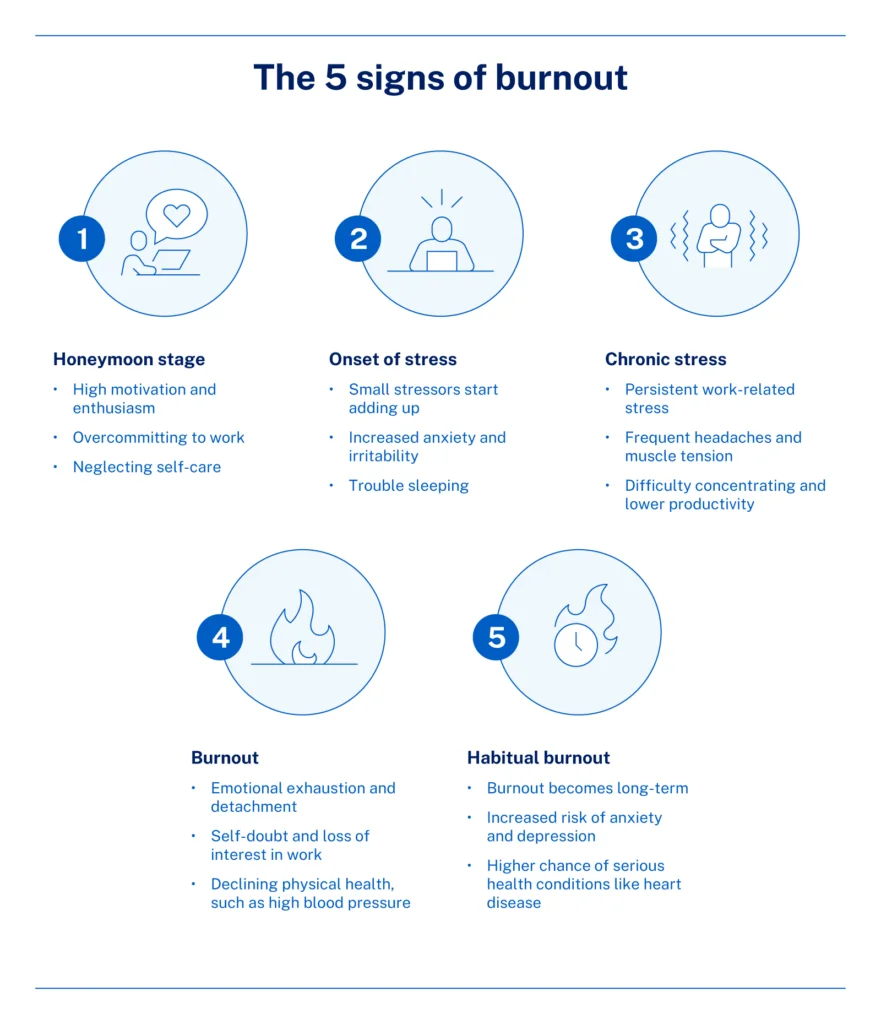
Burnout is more than just feeling tired after a long week; it’s a state of chronic physical and emotional exhaustion caused by prolonged stress. For remote employees, burnout can be particularly insidious because the boundaries between work and personal life often blur. Unlike traditional office settings, remote workers may struggle to disconnect, leading to a constant sense of being “on call.” This persistent pressure reduces motivation and affects overall well-being, making it critical to understand what burnout really looks like in a remote context.
Common Causes of Burnout in Remote Settings
Remote workers face unique challenges that can trigger burnout. Isolation is a significant factor—without regular face-to-face interactions, feelings of loneliness and disconnection can grow. Additionally, many remote employees find themselves working longer hours, partly due to the ease of access and the desire to prove productivity. Poor workspace ergonomics and technical issues cause daily frustrations, while unclear expectations or lack of feedback from managers further compound stress. Real-life cases show that without intentional efforts to balance work and life, these factors combine to push remote workers toward exhaustion.
Identifying Early Warning Signs
Emotional Indicators: Mood Changes and Detachment
Consider Sarah, a remote graphic designer who once loved brainstorming with her team but now finds herself irritable and emotionally distant. Early burnout often shows up as mood swings, irritability, or a growing sense of cynicism towards work tasks. Remote employees might withdraw from virtual meetings or avoid informal chats with colleagues, signaling emotional detachment that can be easily overlooked but is a clear red flag.
Physical Symptoms: Fatigue and Sleep Disruptions
Physical signs are often the body’s way of crying for help. John, a remote customer service agent, noticed he was constantly tired despite spending more hours working from home. Fatigue, headaches, muscle tension, and disrupted sleep patterns are common. The lack of a physical commute or natural breaks can interrupt the body’s rhythm, leading to persistent exhaustion even after resting.
Cognitive Signs: Decreased Focus and Productivity
When burnout sets in, cognitive functions like concentration and decision-making deteriorate. Emma, who worked remotely as a software developer, struggled to stay focused during coding sprints and frequently found herself procrastinating. This decline in productivity and mental clarity doesn’t just hinder individual performance; it can create a cycle of stress and guilt that worsens burnout.
Assessment Tools and Self-Evaluation Techniques
Questionnaires and Checklists for Burnout Detection
Early recognition often starts with self-assessment. Tools like the Maslach Burnout Inventory or the Copenhagen Burnout Inventory help remote workers evaluate their emotional exhaustion, depersonalization, and personal accomplishment levels. By answering structured questions, employees can better understand their burnout risk and seek timely support. For example, Maria, a freelance writer, found that regular check-ins with these tools helped her adjust her workload before hitting a critical point.
Encouraging Open Communication for Early Detection
While self-assessments are valuable, open dialogue plays a pivotal role. Remote workers benefit enormously from transparent conversations with supervisors or teammates about workload and stress. Companies that cultivate an environment where employees feel safe expressing struggles see earlier interventions. For instance, a tech company introduced weekly “pulse check” meetings where team members shared their current stress levels confidentially, leading to faster identification of burnout symptoms.
Effective Recovery Strategies for Remote Workers
Setting Boundaries and Creating a Dedicated Workspace
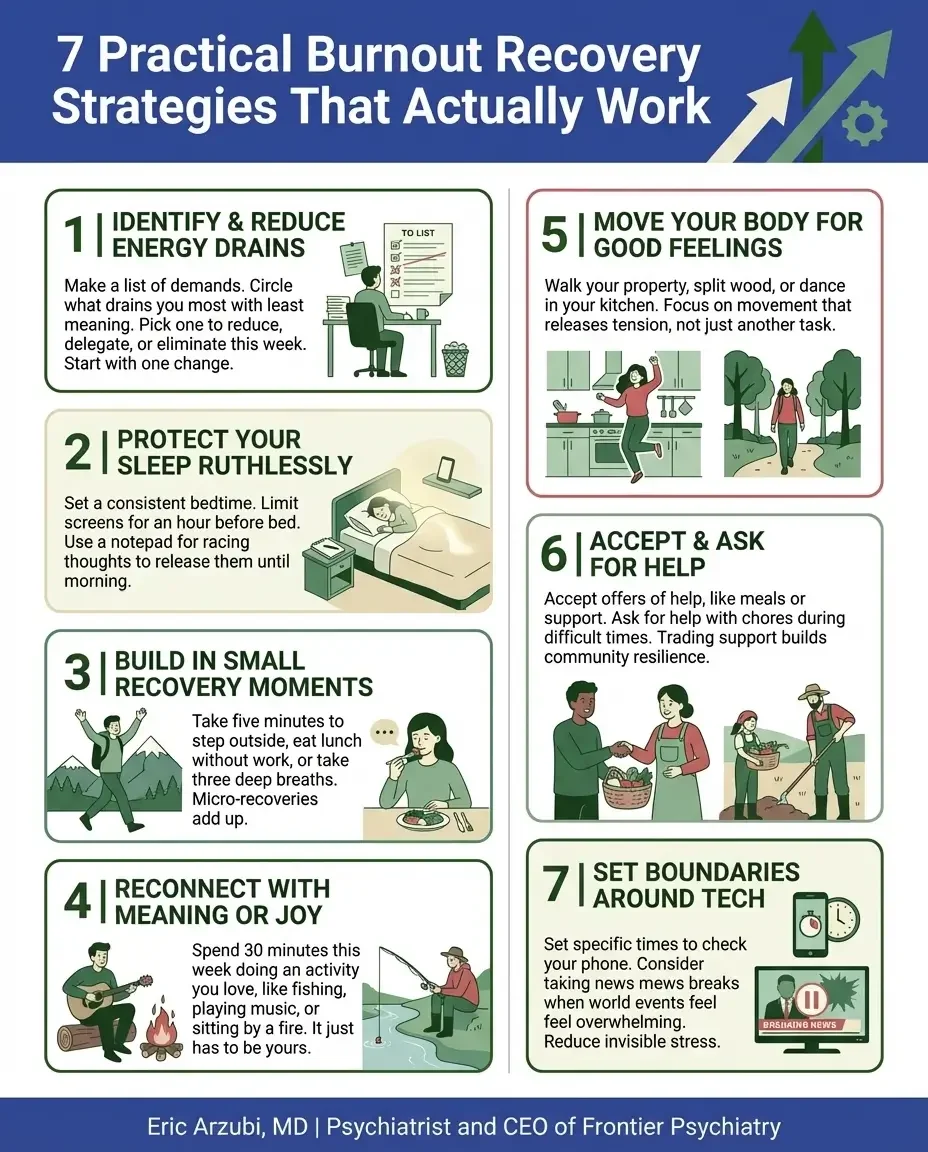
Recovery begins with reclaiming time and space. Remote employees like David, who transformed a quiet corner of his apartment into a dedicated office area, noticed immediate improvements in focus and mental separation from work. Defining clear work hours and communicating these boundaries to family and colleagues helps create a routine that protects personal time, reducing the risk of burnout escalation.
Incorporating Regular Breaks and Physical Activity
Taking short, structured breaks can revitalize energy and sharpen concentration. Anna, working remotely as a content editor, integrated brief stretches and walks into her day, which improved her mood and relieved muscle stiffness. Physical activity, even if minimal, releases endorphins and counters prolonged sitting, making it an essential component of recovery.
Utilizing Mental Health Resources and Support Networks
Many remote workers underestimate the benefit of professional and peer support. Accessing mental health apps, online counseling, or employee assistance programs provides crucial emotional relief. Moreover, connecting with colleagues through virtual coffee breaks or interest groups combats isolation. When Raj shared his struggles in a remote worker forum, he found communal strategies that helped him regain balance.
Role of Employers in Prevention and Support
Flexible Policies and Workload Management
Employers hold a significant responsibility in safeguarding remote workers’ mental health. Offering flexible schedules allows employees to work during their most productive hours and manage personal commitments. Additionally, monitoring workloads to prevent overburdening is critical. A marketing firm discovered that implementing project rotation and realistic deadlines quickly reduced burnout complaints among its remote staff.
Promoting a Culture of Well-being and Recognition
Recognition fuels motivation, especially when remote workers miss out on in-person affirmations. Employers who celebrate achievements, no matter how small, foster a sense of belonging and value. Wellness programs, mindfulness workshops, and regular check-ins create an atmosphere where employees feel supported rather than isolated, thereby minimizing burnout risks.
Long-Term Approaches to Maintain Remote Work Health
Developing Resilience and Stress-Management Skills
Building resilience is a proactive way to guard against burnout. Training in time management, mindfulness, and adaptive coping strategies equips remote employees to handle future stress. For instance, Lydia attended online resilience workshops offered by her company, which helped her reframe challenges and maintain equilibrium during demanding periods.
Continuous Monitoring and Feedback Loops
Sustainable remote work health depends on ongoing evaluation. Regular surveys, anonymous feedback channels, and performance reviews that emphasize well-being help track employee status over time. Organizations that implement these feedback loops can fine-tune support measures and prevent burnout from progressing unnoticed, creating a healthier work environment for everyone.


