
Introduction to Bullet Journaling and Mental Clarity
What is a Bullet Journal?
Imagine having a single notebook that adapts perfectly to your life, capturing everything from daily tasks to long-term goals. This is the essence of a bullet journal, a customizable organizational system created by Ryder Carroll. Rather than using pre-printed planners, a bullet journal offers a blank canvas where you design your own layout, combining to-do lists, calendars, trackers, and notes in a way that suits your unique rhythm. It’s more than just a planner; it’s a tool for mindfulness and intentional living.
The Link Between Writing and Cognitive Function
Writing things down does more than just record information—it engages your brain in ways that digital devices often cannot. Studies show that the act of handwriting activates parts of the brain associated with memory and focus. When you jot down tasks, thoughts, or ideas, you create a tangible connection that helps retain information and clarifies your priorities. This connection forms the foundation for how bullet journaling can sharpen mental clarity and enhance focus.
How Bullet Journals Enhance Focus
Organizing Tasks to Minimize Distractions
Consider Sarah, a marketing professional overwhelmed by constant emails and shifting priorities. By using her bullet journal to list out daily tasks and deadlines each morning, she avoids the chaos of an overflowing inbox. The journal acts as a filter, allowing her to concentrate on what matters instead of reacting to every notification. This intentional organization reduces distractions by keeping her goals front and center.
The Role of Prioritization and Time Blocking
Prioritizing effectively is a challenge many face. Mark, a freelance designer, struggled with balancing multiple projects until he started incorporating time blocking in his bullet journal. By assigning specific time slots to high-priority tasks, he carved out focused work periods free from multitasking. This method not only improved his productivity but also created mental boundaries that protected his concentration throughout the day.
Visual Tracking for Motivation and Accountability
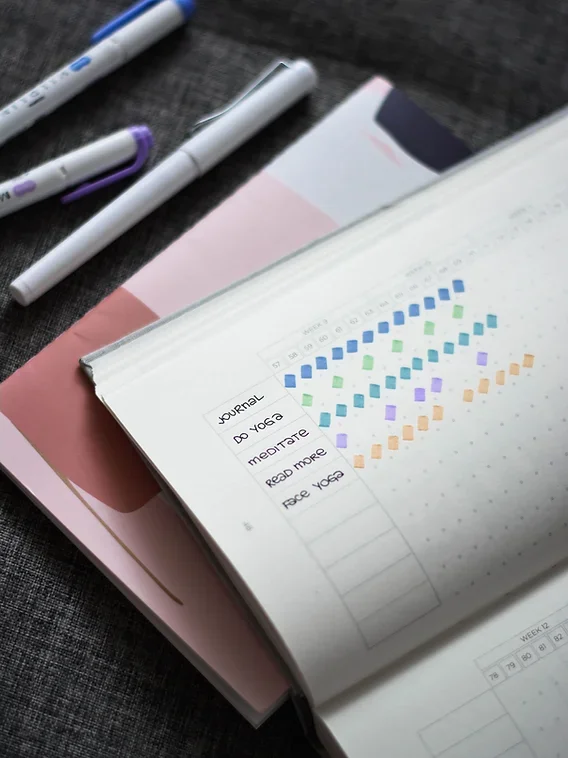
One of the most motivating aspects of bullet journals is the ability to visually track progress. Emily wanted to improve her fitness routine, so she included a habit tracker in her journal that marked each day she exercised. Seeing a streak grow created a rewarding sense of accomplishment that kept her motivated. Similarly, visual progress helps hold you accountable, making abstract goals concrete and manageable.
Reducing Mental Clutter Through Bullet Journaling
Externalizing Thoughts to Free Mental Space
Our minds can become overwhelmed when juggling multiple ideas, to-dos, and worries. Writing these down externalizes them, removing the burden of trying to remember everything. When Alex began transferring his scattered thoughts into his bullet journal, he noticed a significant reduction in anxiety. The journal became a trusted container for his thoughts, freeing mental space to focus on the task at hand.
Creating a Clear Overview of Responsibilities
Juggling work, family, and personal commitments can create invisible mental noise. A bullet journal provides a clear overview that reveals patterns and priorities. For example, Lisa used her journal to map out weekly responsibilities alongside her personal goals, which helped her identify which tasks were truly urgent and which could be delegated or delayed. This clarity prevented her from feeling overwhelmed by invisible pressure.
Combating Overwhelm by Breaking Down Goals
Large goals often feel daunting when viewed as a whole. Bullet journals offer a way to break these goals into smaller, actionable steps. John, aiming to write a book, used his journal to divide the project into chapters, setting weekly word count targets. This chunking method made the project manageable, reducing overwhelm and maintaining steady progress.
Practical Tips for Effective Bullet Journaling
Setting Up Your Journal for Maximum Focus
Starting a bullet journal can feel intimidating without guidance. Begin by creating a simple key with symbols for tasks, events, and notes. Start with monthly and daily logs to organize your schedule and tasks. Keep your layouts clean and uncluttered to avoid adding unnecessary mental noise. Remember, the goal is to enhance focus, so simplicity often outweighs complexity.
Incorporating Reflection and Mindfulness
Reflection is a powerful component of bullet journaling. At the end of each day or week, take a moment to review completed tasks, victories, and areas for improvement. Mindfulness prompts, such as gratitude lists or mood trackers, can offer emotional insight and foster self-awareness. This habit encourages a balanced perspective and supports mental well-being alongside productivity.
Adapting the System to Your Personal Needs
Every individual is different, and your bullet journal should reflect your preferences. If you find daily logs too rigid, try weekly spreads or task-only pages. Some people flourish with colorful layouts and drawings, while others prefer minimalist pages. Experiment to find what keeps you motivated and aligned with your goals. Over time, your journal evolves as your needs change.
Conclusion: The Lasting Impact on Mental Well-being
Bullet journaling is more than a trendy organizational hack; it is a practical tool with tangible benefits for mental clarity and focus. By externalizing thoughts, prioritizing tasks, and tracking progress visually, it frees your mind from clutter and distraction. Real-life stories reveal how it empowers individuals to take control of their time and reduce overwhelm. When embraced thoughtfully, a bullet journal becomes a trusted companion on the path to enhanced productivity and lasting mental well-being.


