
Understanding Low Impact Cardio
What Defines Low Impact Exercise?
Low impact exercise involves movements that minimize stress on the joints, making it ideal for individuals with joint pain, arthritis, or those new to fitness. Unlike high-impact activities that involve jumping or running, low impact workouts focus on smooth, controlled motions that protect bones and soft tissue. These exercises are effective in raising the heart rate without the harsh pounding often associated with traditional cardio routines.
Why Choose Low Impact in Small Spaces?
Small spaces limit the types of exercises you can perform safely, especially when equipment is unavailable. Low impact cardio fits perfectly in these confined areas as it requires minimal room while still offering a robust cardiovascular challenge. Additionally, low impact workouts reduce the risk of accidental injury or damage to your surroundings, which is common with high-intensity movements in cramped environments.
Benefits of Low Impact Cardio Workouts
Physical Health Advantages
Low impact cardio offers numerous health benefits beyond protecting your joints. It improves cardiovascular endurance, helps regulate blood pressure, and boosts metabolism. These exercises promote better circulation and can aid in weight management without the discomfort or risk associated with more intense routines. This makes them accessible for people of varying fitness levels and ages.
Mental and Emotional Benefits
Engaging in consistent low impact cardio workouts also enhances mental well-being. Physical activity stimulates the release of endorphins, which reduce stress and anxiety. For those confined to small spaces, these movements offer a vital outlet to elevate mood and improve cognitive function. The gentle nature of low impact exercise makes it easier to adhere to over time, supporting a sustained positive mindset.
Preparing Your Space for Cardio
Optimizing Small Areas for Movement
The main challenge of exercising in small spaces is ensuring enough room to move freely without risking injury. Clearing clutter and pushing furniture against walls creates a safer workout zone. Even in tight quarters, identifying a dedicated spot with a non-slip surface can enhance comfort and stability. Light ventilation and adequate lighting also contribute to a more pleasant workout atmosphere.
Safety Tips and Considerations
Safety should always be a priority when planning workouts in confined spaces. Pay attention to flooring to avoid slips and falls, especially when sweat accumulates. Wear supportive footwear to cushion your joints and improve balance. Start slowly to assess how your space accommodates different movements, adjusting exercises to prevent accidental collisions with objects or walls.
Top 7 Low Impact Cardio Exercises for Small Spaces
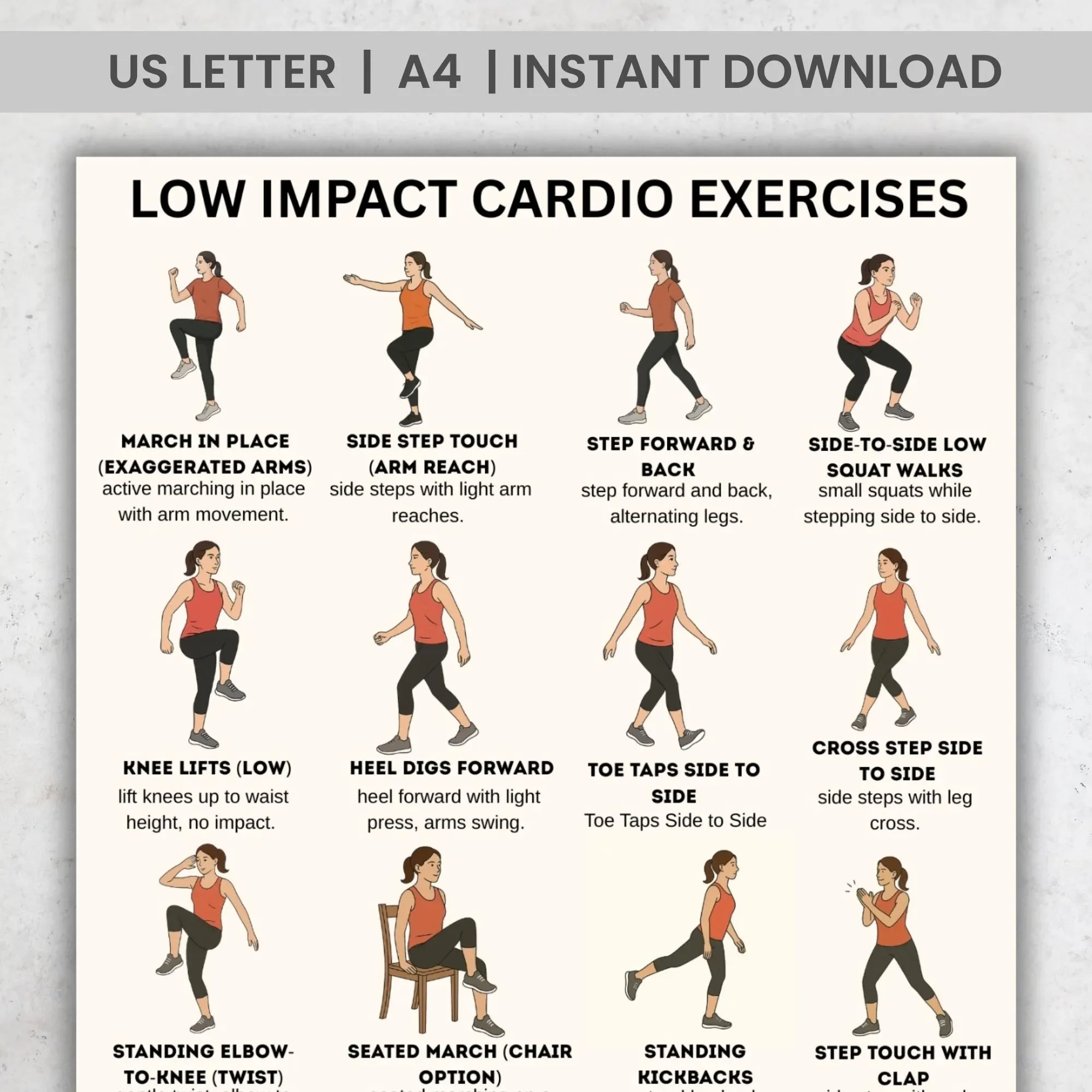
1. Marching in Place
Marching in place is an excellent starting point for raising heart rate gently. This movement mimics walking but requires no space to move forward. It’s easy to maintain balance and gradually increase pace for added challenge while staying low impact.
2. Side Step Touch
Stepping side to side with a gentle touch is another effective way to elevate cardiovascular activity without jumping. This exercise targets leg muscles while enhancing lateral coordination, all within a confined footprint.
3. Low-Impact Jumping Jacks
By eliminating the jump and stepping feet out one at a time instead, low-impact jumping jacks keep your heart rate up without stressing your knees or ankles. This classic move adapts well to small areas.
4. Seated Knee Lifts
For individuals with mobility limits or very restricted space, seated knee lifts provide a cardio boost. Sitting on a sturdy chair, lift knees alternately to engage your core and legs, maintaining steady breathing and pace.
5. Wall Push-Offs
Using a wall for support, push off gently to activate your upper body while engaging your core to improve posture and cardiovascular health. This exercise requires minimal room and avoids impact on lower joints.
6. Standing Toe Taps

Tap your toes on a raised surface or imaginary line in front of you, moving at a controlled cadence. This movement improves ankle mobility and elevates heart rate without aggressive motion.
7. Modified Mountain Climbers
Rather than doing traditional mountain climbers on the floor, perform them standing by lifting each knee toward your chest in rapid succession. This variation maintains pace and cardio benefits without requiring floor space or jumps.
Creating Effective Workout Routines
Sample 10-Minute Circuit
A practical approach to maximizing small space workouts is a circuit combining several low impact exercises. For example, alternating one minute of marching in place, side step touches, and seated knee lifts with brief rests can create a balanced session. Cycling through four to five exercises keeps the heart rate elevated while allowing muscle groups to recover. This method enhances stamina over time.
Mixing Intensity Without Equipment
Adjusting intensity is possible by varying speed and duration rather than adding weights or machines. Increasing pace within each movement or shortening rest periods can challenge your cardiovascular system efficiently. Listening to your body ensures you maintain low impact without overexertion, keeping workouts safe and effective.
Tracking Progress and Staying Motivated
Using Technology and Journals
Monitoring fitness progress helps maintain motivation and guides adjustments in routines. Simple apps or wearable devices can track heart rate, steps, and workout duration. Alternatively, keeping a journal of completed exercises and perceived effort supports self-accountability and highlights improvements, even within small spaces.
Setting Realistic Goals
Goals that are achievable encourage ongoing commitment. When space and equipment are limited, focus on consistency and gradual increases in workout intensity rather than ambitious physical feats. Celebrating small milestones fosters confidence and reinforces healthy habits.


