
Understanding Procrastination and Its Impact on Productivity
The Psychology Behind Procrastination
Procrastination often feels like a simple habit of putting things off, but beneath the surface, it’s a complex psychological challenge. At its core, procrastination stems from a mix of fear, anxiety, and the brain’s tendency to seek immediate gratification. When faced with a task that seems difficult or unpleasant, the mind naturally gravitates towards distractions that provide quicker rewards, even if temporary. This internal conflict can create a cycle where avoidance becomes a coping mechanism, making it harder to focus on meaningful tasks.
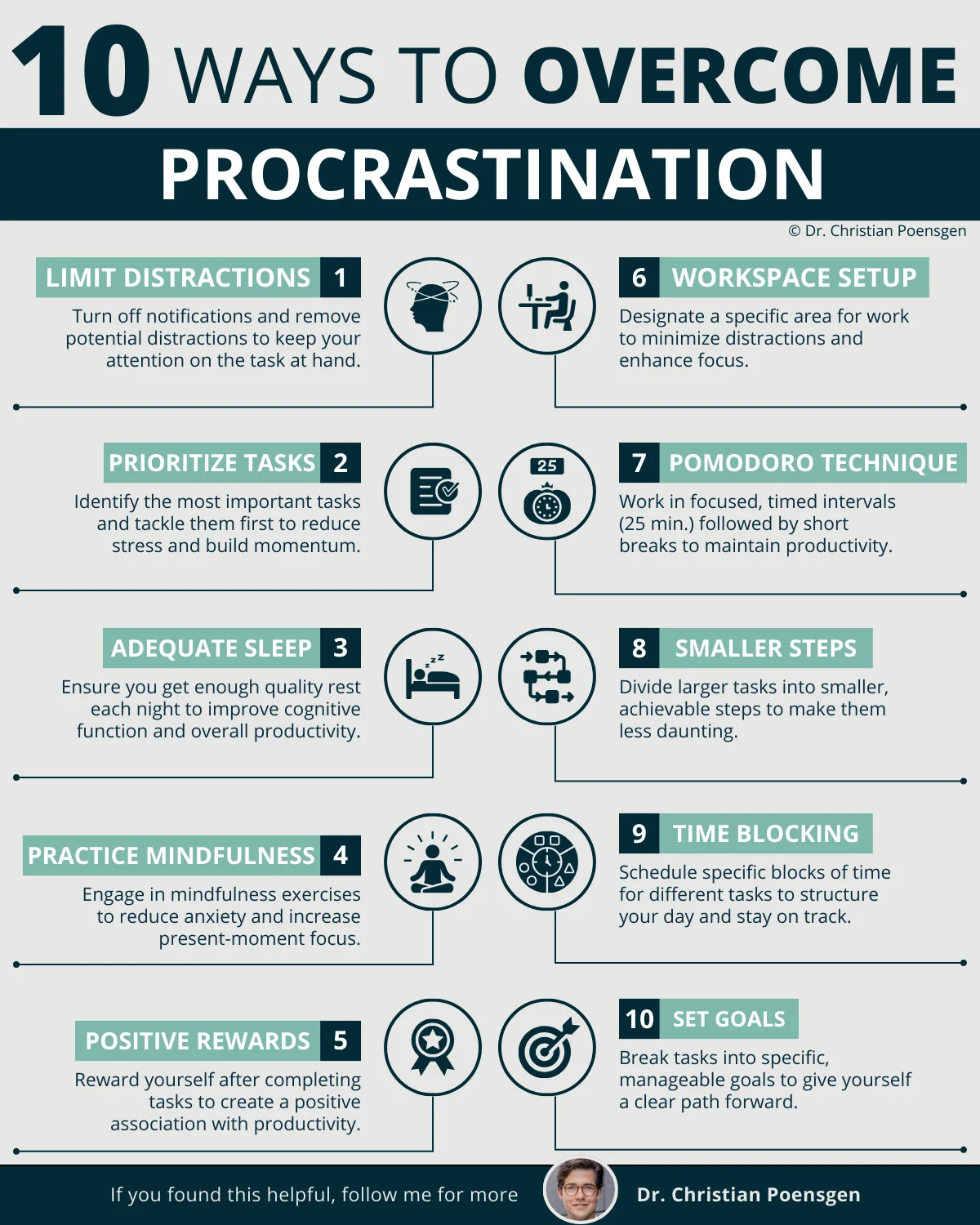
Understanding this psychological tug-of-war is crucial because it reveals that procrastination isn’t simply laziness. It’s about emotional regulation, sometimes linked to self-doubt or overwhelm. Recognizing these triggers helps us approach procrastination with more compassion and a tailored strategy rather than frustration.
How Procrastination Affects Work and Life
The ripple effects of procrastination extend far beyond a missed deadline. When important tasks get delayed, stress tends to build up, which can negatively impact mental well-being and professional relationships. At work, procrastination can lead to rushed performance, reduced quality of output, and missed opportunities that affect long-term growth.
On a personal level, procrastination can diminish self-confidence and increase feelings of guilt or inadequacy. This emotional weight often makes it even harder to start new projects, creating a feedback loop that saps both motivation and productivity. Tackling procrastination is therefore not just about managing time but about reclaiming mental energy and emotional balance.
Benefits of Guided Meditation for Managing Procrastination
Mental Clarity and Focus Enhancement
Guided meditation acts as a powerful tool for sharpening mental clarity and boosting focus. By gently directing attention to the breath or a calming narrative, meditation trains the brain to resist distractions that fuel procrastination. Over time, this practice improves the ability to sustain concentration on tasks without getting derailed by wandering thoughts or digital temptations.
This clearer mindset often translates to a more organized approach to work. When thoughts are less cluttered and the mind is calmer, prioritizing tasks feels more natural, and motivation tends to increase. Many find that even a short daily meditation can clear the mental fog that accumulates from overload or stress.
Stress Reduction and Emotional Regulation
One of the biggest barriers to productivity is stress, which meditation naturally helps to reduce. Guided meditation encourages activating the parasympathetic nervous system, the body’s relaxation response, which lowers heart rate and calms anxious feelings. This emotional regulation creates a safer mental space to face daunting tasks without feeling overwhelmed.
When stress levels drop, procrastination often decreases as well. Instead of avoiding work out of fear or anxiety, you can engage with it more confidently. Meditation also fosters greater self-compassion, helping to soften the judgment and pressure that frequently accompany procrastination struggles.
Step-by-Step Guided Meditation Routines to Combat Procrastination
Morning Activation: Starting the Day with Intention
Begin your day by spending 5 to 10 minutes on a guided meditation focused on setting intentions. Find a quiet spot, sit comfortably, and listen to a guide or self-narrate phrases that affirm your goals. Center your awareness on breathing and envision yourself completing the day’s tasks with ease and focus.
This morning routine primes your mind to lead with purpose rather than distraction. It’s a gentle reminder of what matters most, helping to prevent the tendency to drift into procrastination from the start.
Midday Reset: Breaking Through the Afternoon Slump
By midday, energy and focus often wane, making it a prime time for procrastination. A 5-minute guided meditation can reset your mental state. Opt for short breathing exercises that encourage mindfulness, grounding you in the present moment and revitalizing your motivation.
Use this break to acknowledge any mounting frustration or fatigue, then release it with slow, deliberate breaths. This quick pause refreshes your cognitive resources so you can tackle afternoon tasks with renewed vigor.
Pre-Work Session Focus: Preparing for Challenging Tasks
Before diving into a difficult or important work session, a focused meditation can help you zero in on what needs attention. Choose a guided meditation that highlights concentration and managing distractions. Visualize yourself engaging fully with your work, smoothly navigating obstacles and maintaining clarity.
Even a brief 5 to 7-minute session can create a mental buffer, making it easier to resist the urge to postpone and encouraging a productive mindset.
Incorporating Meditation Into a Productivity Plan
Setting Realistic Goals and Meditation Timings
Integrating meditation into your daily routine requires realistic planning. Start with manageable time slots, around 5 to 10 minutes each, so it doesn’t feel like an added burden. Consistency matters more than duration, so aim for daily practice that complements your work schedule.

Align your meditation sessions with natural productivity dips or key transition moments throughout the day. This creates touchpoints to refresh focus and keeps procrastination at bay. Adjust timings as needed based on your flow rather than forcing rigid schedules.
Using Meditation to Build Momentum and Daily Habits
Establishing meditation as a precursor to focused work helps build momentum. When you pair meditation with task initiation, you create a habit loop—meditate, then work—that gradually rewires your brain to associate calm focus with productivity. Over time, this ritual reduces procrastination triggers by embedding mindfulness into your workflow.
Tracking your progress and celebrating small wins makes it easier to sustain this habit. Remember, meditation is a tool for growth, not perfection. Allow yourself flexibility to evolve your routine as your needs change.
Tools and Resources for Guided Meditation
Recommended Apps and Audio Guides
Several apps provide excellent guided meditation experiences tailored to focus and productivity. Apps like Headspace, Calm, and Insight Timer offer sessions specifically designed for managing stress, improving concentration, and overcoming procrastination. Many include customizable options so you can choose meditation lengths and styles that suit your preferences.
Additionally, there are free audio guides and podcasts available on platforms like YouTube and Spotify, providing accessible options that fit any schedule. Experiment with different voices and styles until you find guides that resonate with you.
Creating Your Own Personalized Meditation Scripts
For those who enjoy a more personal approach, crafting your own meditation scripts can be powerful. Reflect on what motivates you, the obstacles you face, and affirmations that inspire confidence. Write a short narrative focusing on breath awareness, intention setting, and visualizing productive outcomes.
Recording your voice or reading the script aloud during practice adds an extra layer of connection. This customization ensures your meditation addresses your unique procrastination patterns and keeps you engaged in the habit.


