
Understanding Screen-Free Playtime: Why It Matters
The Impact of Screen Time on Child Development
In today’s digital age, children are exposed to screens from a remarkably young age. While technology offers educational benefits, excessive screen time can negatively influence a child’s development. Prolonged screen exposure may affect attention spans, interfere with sleep patterns, and reduce opportunities for physical activity. These impacts underscore the importance of balancing screen use with other forms of play.
As children grow, their brains require a rich variety of stimuli to develop cognitive, social, and emotional skills. Relying heavily on screens often limits their interaction with the real world, which is crucial for developing creativity, problem-solving abilities, and interpersonal skills. Therefore, it’s essential for parents to establish a healthy relationship between technology and play.
Benefits of Engaging in Screen-Free Activities
Screen-free play allows children to engage their imaginations and explore their environment in ways that screens cannot replicate. Activities such as building blocks, drawing, or role-playing encourage creativity and fine motor skills development. Additionally, these activities support emotional growth by allowing children to express themselves freely without digital distractions.
Another critical advantage is the enhancement of social skills through cooperative play. When children interact face-to-face, they learn empathy, communication, and teamwork. Physically active play also promotes better health by fostering coordination and physical fitness. Altogether, screen-free play enriches various aspects of childhood growth, making it a vital part of nurturing well-rounded individuals.
Creating an Inviting Screen-Free Play Environment
Organizing Play Spaces to Spark Creativity
A child’s environment plays a significant role in encouraging screen-free activities. Parents should consider dedicating specific areas in the home solely for play. This space should be inviting, safe, and organized to inspire creativity and exploration. Providing ample room to move around and ample natural light can make the play area more appealing to children.
In addition, labeling storage and keeping toys easily accessible helps children develop independence in choosing their activities. Having a clutter-free zone where kids can build, create, or imagine without interruption encourages prolonged engagement in screen-free fun. Thoughtful organization boosts the likelihood that children will naturally gravitate toward these play spaces.
Essential Toys and Materials for Offline Fun
Selecting the right materials is critical to sustaining kids’ interest in screen-free play. Simple, versatile toys such as building blocks, puzzles, art supplies, and dress-up clothes provide endless possibilities for imaginative play. These items foster creativity and problem-solving while also supporting sensory development.
Parents should also consider natural objects like sand, water, or clay to add tactile stimulation. Books and board games further enrich offline playtime by encouraging focus and cognitive engagement. Investing in a variety of age-appropriate options ensures that children remain interested and challenged without turning to screens for entertainment.
Strategies to Inspire Kids to Choose Screen-Free Play
Setting Consistent and Positive Boundaries Around Screens
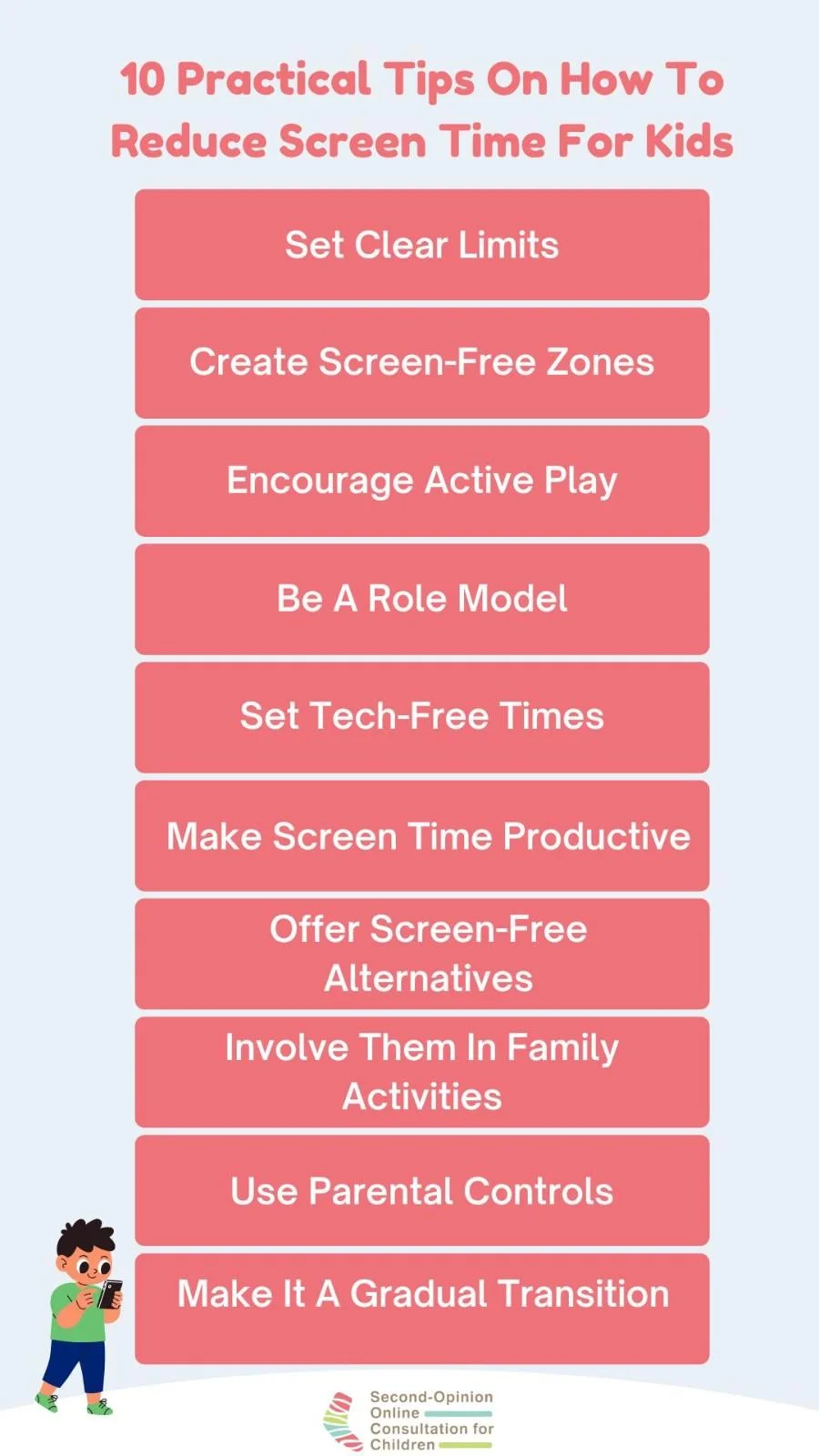
One of the most effective ways to encourage screen-free play is to establish clear, consistent rules about when and how screens can be used. Creating a predictable routine for screen time helps children understand expectations and reduces conflicts. It’s important to frame these boundaries positively by emphasizing the fun and benefits of offline play rather than focusing solely on restrictions.
For instance, parents might designate specific hours or occasions as screen-free times, such as during meals or before bedtime. Consistency in enforcing these rules helps children develop healthy habits and reduces reliance on screens as primary sources of entertainment.
Introducing Playtime Rituals and Routines
Rituals and routines provide structure and familiarity, making screen-free play more appealing. Parents can create daily or weekly traditions like a dedicated “craft hour” or outdoor play sessions. When children know what to expect, it can build anticipation and excitement around these activities.
Incorporating storytelling, singing, or thematic play can also add an element of fun and engagement. Over time, these routines become ingrained, guiding children naturally toward screen-free experiences without feeling forced or boring.
Role Modeling: How Parents Can Lead by Example
Children often emulate the behavior of their caregivers, so parents’ own screen habits significantly impact their children’s choices. Demonstrating a balanced approach by engaging in offline hobbies, reading, or spending quality time together sends a powerful message.
Parents who prioritize screen-free moments, such as family meals or game nights, create a supportive environment that encourages kids to follow suit. Leading by example ensures that children view screen-free play as a valuable and enjoyable part of daily life.
Incorporating Learning and Social Interaction in Screen-Free Play
Games That Promote Cognitive and Emotional Growth
Screen-free games can be excellent tools for fostering cognitive skills like memory, attention, and critical thinking. Puzzles, matching games, and simple board games challenge children in fun and educational ways. These activities offer opportunities for children to strategize, solve problems, and celebrate achievements.
Moreover, many games encourage emotional development by teaching patience, turn-taking, and handling both success and frustration. By carefully selecting screen-free games that engage the mind and heart, parents can enrich playtime with meaningful learning experiences.
Encouraging Cooperative Play with Siblings and Friends
Social interaction is a crucial benefit of screen-free play that supports communication and empathy. Encouraging siblings and friends to participate in joint activities helps children learn cooperation and conflict resolution. Shared play experiences foster stronger bonds and create lasting positive memories.
Parents can facilitate cooperative play by organizing group games, team challenges, or imaginative scenarios that require collaboration. These moments not only make screen-free play more enjoyable but also help children practice important social skills in a natural setting.
Overcoming Common Challenges and Resistance
Dealing with Screen Addiction and Withdrawal
For many children, reducing screen time can be met with resistance or signs of withdrawal such as irritability or frustration. It is essential to approach this transition with patience and empathy. Gradual reduction, rather than abrupt elimination, can ease the adjustment and minimize negative reactions.
Providing engaging alternatives and involving children in choosing activities empowers them and helps redirect their focus. Consistent encouragement and positive reinforcement also play significant roles in overcoming attachment to screens.
Keeping Kids Engaged During Transition Periods
Transitioning from screen time to screen-free play may initially lead to boredom or reluctance. To manage this, parents should prepare a mix of stimulating options ready at hand. Introducing new toys, crafts, or games can rejuvenate interest and prevent children from returning to screens out of habit or boredom.
Creating a calm and encouraging environment during these moments reassures children and promotes willingness to explore screen-free activities. Celebrating small successes reinforces their progress and motivates continued engagement.
Measuring Progress and Celebrating Screen-Free Successes
Tracking improvements encourages both children and parents by highlighting achievements in adopting screen-free play habits. Progress can be measured in various ways, such as increased time spent in offline activities, improved social interactions, or new skills developed through play.
Celebrating these milestones, whether through verbal praise, small rewards, or family recognition, fosters a positive atmosphere around screen-free play. These celebrations reinforce desirable behaviors and make children feel proud of their efforts, ultimately sustaining their motivation to choose screen-free fun consistently.


