
Essentials for Nut-Free School Lunches
Understanding Nut Allergies in Schools
Nut allergies pose a serious health risk for many children, with reactions ranging from mild irritations to life-threatening anaphylaxis. Schools have increasingly adopted nut-free policies to protect these students. For parents, this means crafting lunches that are completely free of nuts and nut derivatives. Ignoring this necessity can lead to accidental exposure, endangering the safety of children with allergies and causing significant anxiety for families.
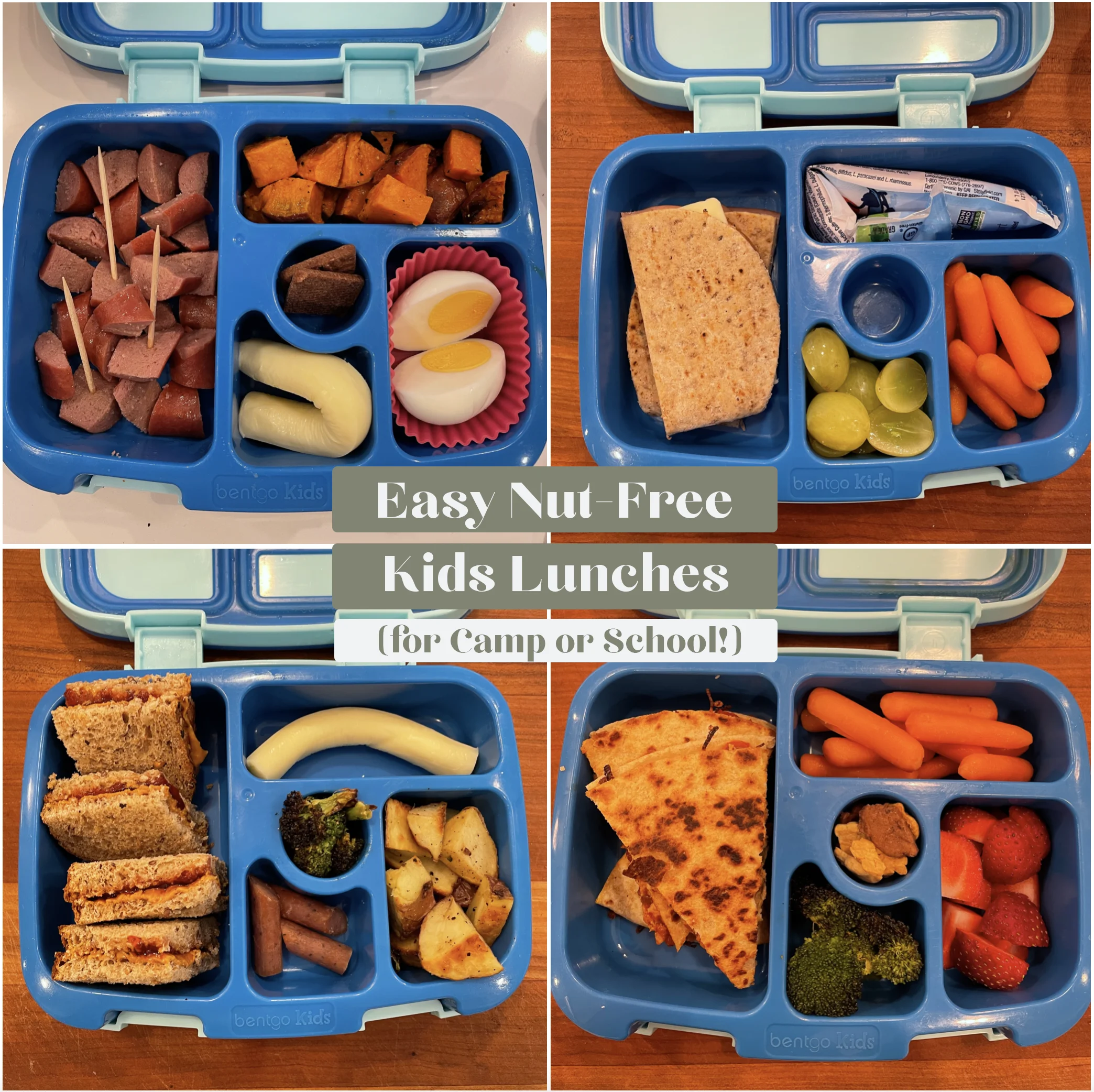
Recognizing the importance of nut-free lunches ensures that your child’s meal is safe not only for them but for their classmates as well. It fosters an inclusive environment where all children can eat without worry.
Key Ingredients to Avoid and Substitute
The primary challenge in preparing nut-free lunches is avoiding common ingredients such as peanut butter, almond butter, and other nut-based spreads or snacks. Many packaged foods—like granola bars or cookies—also contain nuts or have been processed in facilities that handle nuts, increasing the risk of cross-contamination. These hidden sources can inadvertently expose children to allergens.
Substitutes like sunflower seed butter or soy nut butter offer a similar creamy texture and taste without the risk. Seeds, legumes, and dairy-based spreads can also fill nutritional and flavor gaps left by nuts. Selecting fresh ingredients and homemade options reduces the risk and provides better control over what goes into your child’s lunchbox.
Quick Lunchbox Recipes Ready in Under 15 Minutes
Vegetarian Options

Preparing vegetarian lunches that are both nut-free and appealing to children can be challenging, especially on busy mornings. Ingredients such as hummus (made from chickpeas), cream cheese, or avocado provide flavorful bases for quick recipes. For example, a hummus and cucumber sandwich on whole grain bread is easy to assemble and satisfying. Additionally, taking advantage of pre-cut vegetables and ready-to-eat fruits can cut down preparation time significantly, ensuring that nutritious meals are ready in a flash.
Protein-Packed Meals for Growing Kids
Protein is critical for a child’s growth and concentration during school hours. Nut-free sources such as hard-boiled eggs, cheese slices, lean deli meats, and yogurt can be combined into quick meals. A simple cheese and turkey roll-up or a yogurt parfait layered with safe granola alternatives can provide the necessary protein boost without compromising safety. These options are quick to prepare yet fulfilling enough to keep energy levels steady throughout the day.
Creative Wraps and Sandwiches Without Nuts
Lunchboxes need variety to avoid mealtime boredom, but finding creative nut-free recipes requires some thought. Wraps filled with grilled chicken, lettuce, and a safe dressing offer a tasty alternative to traditional sandwiches. Using whole wheat tortillas or pita pockets and incorporating fresh vegetables can transform basic ingredients into exciting dishes. Combining cream cheese or seed butters with sweet fruits like apples or pears can also create unexpected and kid-approved flavor combinations.
Balanced Nutrition Tips for Kids’ Lunchboxes
Incorporating Fruits and Vegetables
One common pitfall in lunchbox preparation is neglecting adequate servings of fruits and vegetables. These food groups provide essential vitamins and minerals that support immune health and cognitive function. Including bite-sized pieces of carrots, bell peppers, or cherry tomatoes alongside a small fruit salad encourages children to eat a colorful variety. Frozen fruits like berries or grapes can be packed to serve as refreshing treats that stay cool during the day.
Healthy Snacks and Treats
Many convenient snacks contain nuts or traces of nuts, making it difficult to find safe, healthy treats. To avoid disappointment and prevent allergic reactions, opting for things like popcorn, rice cakes, or fruit leather ensures safety and enjoyment. Occasional homemade baked goods using seed-based flours or oat-based cookies can satisfy sweet cravings while being conscientious of allergies. It is vital to read labels carefully and choose snacks with recognizable, simple ingredients.
Time-Saving Meal Prep Strategies
Batch Cooking for the Week
For busy parents, preparing lunches daily can be overwhelming. Batch cooking offers a practical solution by allocating a few hours once a week to prepare large portions of lunch components. Cooking and portioning items such as pasta salads, roasted vegetables, or chicken strips in advance can drastically reduce morning stress. Proper storage in airtight containers keeps these foods fresh and ready to pack, ensuring variety without sacrificing time.
Using Leftovers Creatively
Leftovers from family dinners can be transformed into unique and safe lunch options, minimizing food waste and preparation time. For example, last night’s grilled chicken can be sliced and added to wraps or combined with rice and vegetables for a quick bowl. Even soups or stews made without nuts can be packed in thermoses to provide warm lunches on colder days. Being resourceful with leftovers simplifies meal prep and maintains a balanced diet for your child.
Conclusion: Ensuring Safe and Delicious Nut-Free Lunches Every Day
Creating quick and nut-free family lunchbox recipes is essential for safeguarding children with allergies while keeping meals tasty and nutritious. By understanding the risks, avoiding problematic ingredients, and making use of easy-to-prepare recipes, parents can provide satisfying lunches that children will enjoy without worry. Balanced nutrition, combined with efficient meal prep techniques, ensures every school day starts on the right foot. With thoughtful planning, nut-free lunches can be both safe and delicious, supporting healthy growth and happy school experiences.


