
Understanding Stress and Its Impact at Work
How Stress Manifests Physically and Mentally
Stress is an almost inevitable part of many work environments. It doesn’t just affect your mood; it shows up in your body too. Physically, you might notice tension in your shoulders, headaches, or even a racing heart. Mentally, stress can lead to difficulty concentrating, irritability, or a feeling of being overwhelmed. Recognizing these signs early can help prevent burnout and improve your overall work experience.
The Role of Breathing in Stress Management
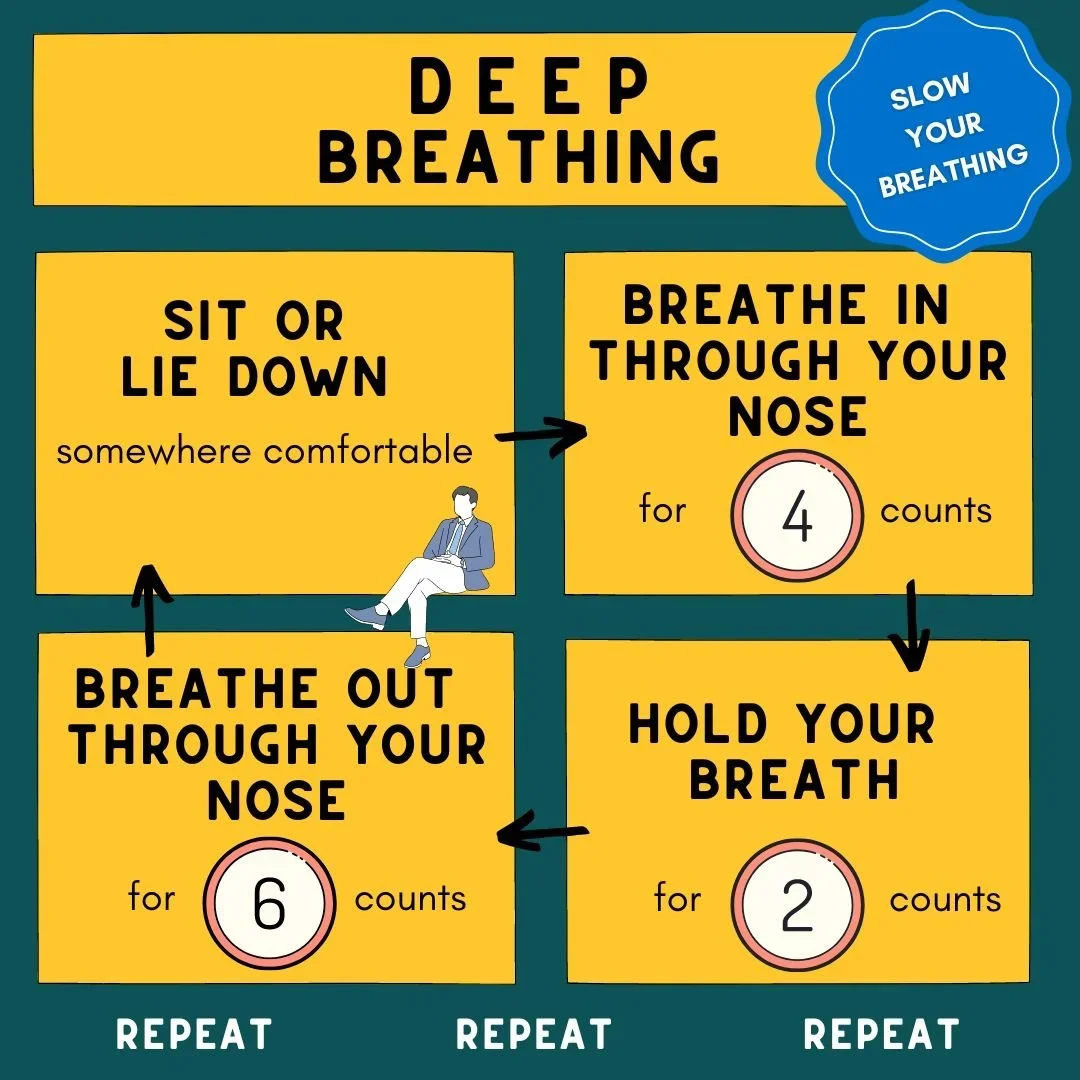
Breathing is a powerful tool that often goes unnoticed. Its connection to the nervous system means it can influence how stressed or relaxed you feel. When you’re anxious, your breath tends to become shallow or irregular, which can intensify those stressful sensations. On the flip side, mindful, deep breathing helps activate your body’s relaxation response, offering a quick escape from tension right at your desk.
Quick Breathing Techniques to Combat Desk Stress
Box Breathing: A Step-by-Step Guide
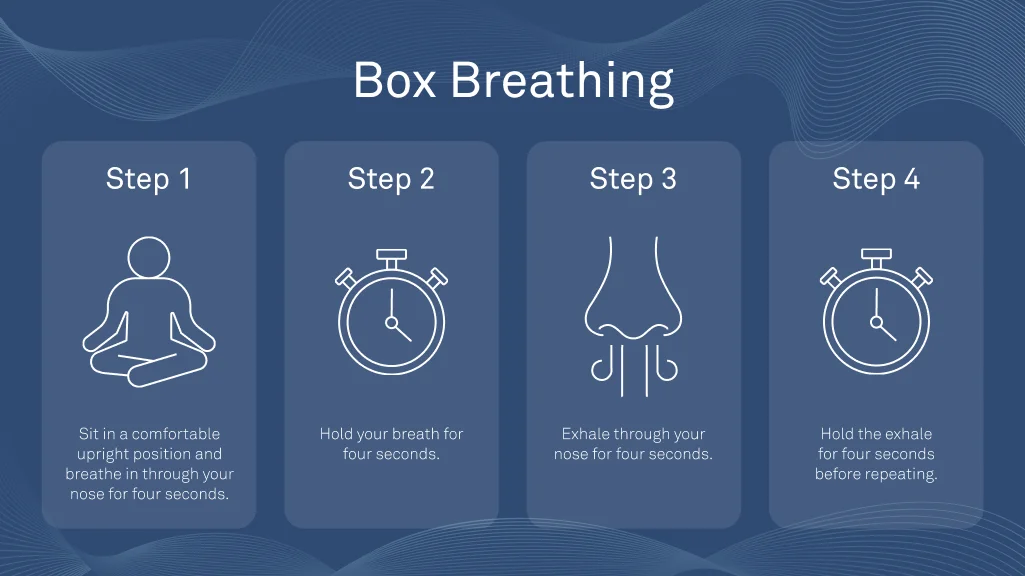
Box breathing is a simple yet effective technique that can be done discreetly without needing much space or time. The practice involves inhaling, holding the breath, exhaling, and pausing again in equal counts. For example, breathe in for four seconds, hold for four, breathe out for four, and pause for four before repeating. This rhythm calms the nervous system and brings focus back to the present moment.
4-7-8 Breathing Method for Instant Calm
This technique is popular for its soothing effects. Start by exhaling completely, then inhale quietly through your nose for a count of four. Hold that breath for seven seconds, then exhale slowly through your mouth for eight seconds. The slower exhale prolongs relaxation, reducing the heart rate and calming the mind. It’s a great option when you feel stress creeping up suddenly.
Alternate Nostril Breathing: Balancing Your Energy
Alternate nostril breathing is a practice rooted in balance, often used to restore calm and steadiness. Using your thumb and ring finger, gently close one nostril while inhaling through the other, then switch sides on the exhale. This alternating pattern helps harmonize your body’s energy and clear the mind. It can be particularly grounding during hectic or high-pressure moments at work.
Integrating Breathing Exercises into Your Workday
Best Times to Practice During Office Hours
Finding the right moment for breathing exercises can make all the difference. Breaking up your day with short sessions before meetings, after stressful calls, or during natural pauses can help maintain your calm and focus. Even just a couple of minutes in the morning or at lunch break can reset your stress levels and improve your mood for the tasks ahead.
Creating a Stress-Relief Ritual at Your Desk
Consistency is key to making breathing exercises effective. You might want to set a reminder or associate your practice with an existing habit, like when you finish a task or start a new one. Personalizing your ritual, such as closing your eyes or playing soft background music, can make the experience more enjoyable and easier to stick with over time.
Benefits of Regular Breathing Practice for Workplace Wellness
Improved Focus and Productivity
Regular breathing practice encourages mindfulness, which naturally sharpens your attention. By taking moments to breathe deeply, you clear mental clutter and prepare your mind for concentrated work. This can lead to better decision-making and efficiency, turning brief pauses into productivity boosters rather than distractions.
Lowered Anxiety and Enhanced Mood
Stress and anxiety often create a cycle that’s hard to break during busy work hours. Integrating breathing exercises interrupts this cycle by triggering physiological calm. Over time, this practice supports a more balanced mood, helping you respond to challenges with a sense of ease rather than overwhelm.
Common Mistakes and How to Avoid Them
Holding Breath or Shallow Breathing Issues
One common pitfall is unintentionally holding your breath or breathing too shallowly, which can increase tension instead of releasing it. The goal is to breathe smoothly and comfortably, without forcing. If you notice yourself feeling dizzy or light-headed, it’s a sign to slow down and focus on gentle, relaxed breaths.
Distractions and Staying Present During Exercises
Trying breathing techniques amidst constant distractions can lessen their effectiveness. It’s helpful to acknowledge external interruptions without judgment and gently bring your attention back to your breath. Using visual or auditory cues can assist in maintaining focus during your practice, especially in busy office settings.
Tools and Apps to Support Your Breathing Practice at Work
Technology can be a friendly companion for building consistent breathing habits. There are many apps designed to guide you through different breathing exercises with timers, visual cues, and calming sounds. Using these tools at your desk can remind you to pause and breathe, even on the most hectic days. Keeping these resources handy makes it easy to integrate moments of calm throughout your work routine.


