
Understanding the Challenges of Long Flights
Impact of Dehydration and Poor Nutrition on Energy Levels
Long flights often lead to fatigue and discomfort, largely due to dehydration and inadequate nutrition. Cabin air is dry, which accelerates fluid loss and can cause headaches, dizziness, and a general feeling of lethargy. Simultaneously, reliance on airport food or skipping meals may result in poor energy levels. Without proper hydration and balanced nutrition, the body struggles to maintain alertness, concentration, and physical comfort throughout the journey.
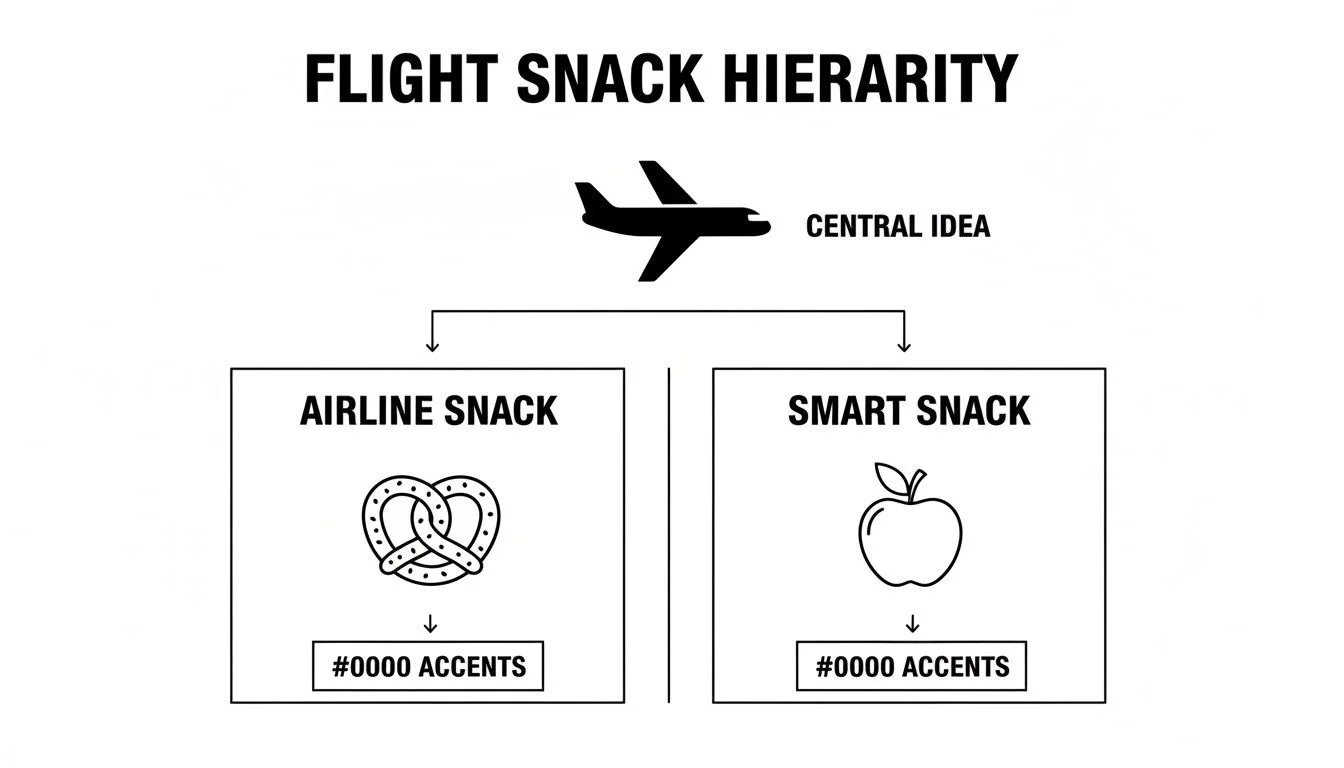
The Role of Smart Snacking in Combatting Fatigue
Smart snacking plays a crucial role in maintaining energy during extended flights. Rather than consuming heavy, processed foods that can lead to sluggishness, selecting nutrient-dense snacks provides sustained energy. These snacks support blood sugar stability and help avoid the mid-flight energy crashes that arise from simple sugars or unhealthy fats. Ultimately, conscious snack choices contribute to better mood, focus, and physical resilience when navigating the challenges of long air travel.
Top Smart Snack Choices for Air Travel
Portable and Nutrient-Dense Options

Choosing snacks that are both easy to carry and rich in nutrients is essential for a comfortable flight experience. Foods like mixed nuts, dried fruits, whole grain crackers, and protein bars offer convenience without sacrificing nourishment. These snacks resist spoilage and are simple to eat in cramped airplane seating, making them reliable options for travelers seeking steady energy.
Balancing Protein, Fats, and Carbohydrates
Energy maintenance depends heavily on a balanced intake of macronutrients. Protein supports muscle repair and sustained fullness, healthy fats provide long-lasting fuel, and complex carbohydrates offer a steady glucose release. Combining these elements in snacks—such as pairing cheese with whole grain crackers or peanut butter with apple slices—helps prevent sudden dips in blood sugar that can lead to tiredness and irritability during the flight.
Allergy-Friendly and Dietary Considerations
Travelers with allergies or specific dietary needs must carefully choose snacks that avoid common allergens like nuts or gluten. Options such as seeds, rice cakes, or vegetable sticks can cater to various restrictions while still delivering essential nutrients. Being mindful of these needs prevents discomfort or health complications that could exacerbate fatigue on the plane.
Effective Hydration Strategies at 35,000 Feet
Choosing the Right Fluids to Stay Hydrated
Proper hydration is a cornerstone of maintaining energy at high altitudes. Water remains the best choice for replenishing lost fluids, but herbal teas or electrolyte-infused drinks can also support hydration without added sugars. Avoiding overly cold or carbonated beverages can reduce gastrointestinal discomfort often experienced in-flight.
How to Avoid Common Dehydrating Beverages
Alcohol and caffeinated drinks are frequent offenders that exacerbate dehydration on flights. Although tempting, these beverages increase fluid loss through diuresis and potentially worsen jet lag symptoms. Being conscious of intake and moderating consumption during air travel helps in preserving hydration levels and preventing energy depletion.
Practical Tips for Maintaining Hydration Throughout the Flight
Since in-flight water availability may be limited or irregular, bringing a refillable water bottle can encourage regular sipping. Setting reminders to drink every 20 to 30 minutes ensures consistent hydration without overwhelming the bladder. Additionally, consuming foods with high water content, such as cucumbers or oranges, adds to fluid intake discreetly.
Combining Snacks and Hydration for Maximum Energy
Timing Your Intake for Sustained Alertness
Strategic timing of snacks and fluids contributes significantly to sustained energy on long flights. Instead of eating large meals at irregular intervals, smaller, balanced snack portions paired with hydration help maintain even blood sugar and fluid levels. This approach avoids the sluggishness caused by heavy meals and prevents the fatigue linked with dehydration.
Sample Snack and Hydration Plans for Different Flight Durations
For flights lasting three to five hours, a handful of nuts combined with a piece of fruit and frequent water intake can keep energy steady. On longer flights exceeding eight hours, incorporating protein-rich snacks like yogurt or cheese along with whole grains and continuous hydration supports endurance. Tailoring snack and hydration timing to flight length helps travelers feel more alert and comfortable upon arrival.
Additional Tips to Enhance Comfort and Energy on Long Flights
Light Exercises and Stretching to Boost Circulation
Physical inactivity during lengthy flights often contributes to fatigue and stiffness. Engaging in light exercises, such as ankle rotations, seated stretches, or brief walks in the aisle, improves circulation and reduces discomfort. Enhanced blood flow from movement supports oxygen delivery, which is vital for maintaining energy and preventing lethargy.
Sleep and Rest Recommendations for Travelers
Rest is a critical component in preserving energy during long flights. Creating a comfortable sleep environment with neck pillows, eye masks, and earplugs can increase rest quality. Aligning sleep with the destination’s time zone as much as possible also aids in reducing jet lag and boosting post-flight alertness. Prioritizing rest helps the body recover from the stress of travel and supports overall energy levels.


