
Introduction to Budget Backpacking
Why Choose Backpacking for New Travelers?
Imagine stepping off a bus in a small town halfway across the world, your backpack your only possession, and the day stretched out before you filled with possibilities. For new travelers, backpacking offers a unique way to dive into unfamiliar cultures without the constraints of rigid itineraries or expensive package tours. It encourages spontaneity and personal discovery, transforming the journey itself into the destination.
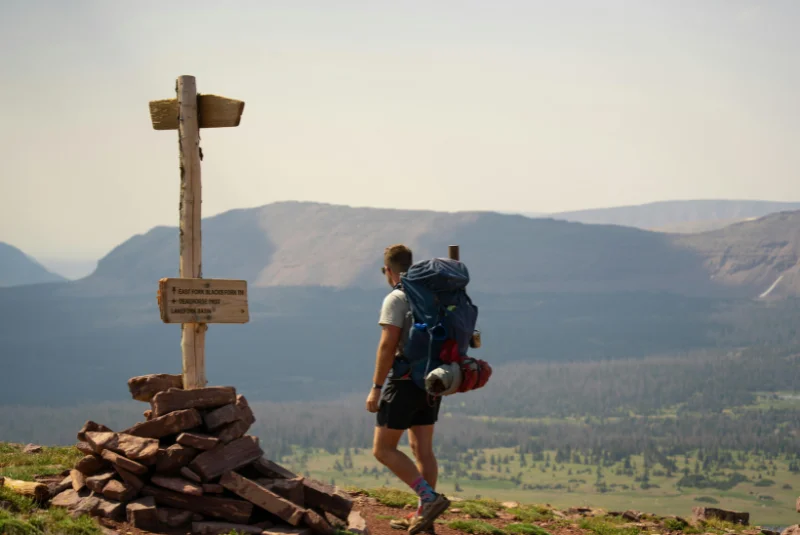
Choosing backpacking as a first travel experience allows you to learn how to navigate foreign environments independently. You develop problem-solving skills as you figure out public transport, communicate despite language barriers, and adapt plans on the fly. This hands-on approach to travel builds confidence and often leads to some of the most memorable adventures.
Benefits of Planning a Low-Cost Trip
Low-cost backpacking doesn’t just save money—it opens doors to longer, richer travel experiences. When budget is a priority, you tend to explore local neighborhoods rather than tourist hotspots, interact more with residents, and uncover hidden gems that most travelers miss. By prioritizing affordability, you stretch your finances further, potentially turning a short vacation into an extended journey.
Additionally, planning a budget trip encourages creativity in problem-solving and resourcefulness. Instead of relying on expensive guides or tours, you learn to research, negotiate, and discover. This mindset often results in authentic encounters and a deeper appreciation of the places you visit.
Initial Planning Stage
Setting a Realistic Budget
When I planned my first backpacking trip, figuring out a budget was daunting. It helps to start by breaking down anticipated costs into clear categories such as transportation, accommodation, food, activities, and emergency funds. Be honest about what you can afford and add a buffer for unexpected expenses. For instance, budgeting $400 a month might seem tight but covers basics when you choose destinations with a lower cost of living like Southeast Asia or parts of Eastern Europe.
Using online calculators and travel forums can give a practical sense of daily expenses. Remember that flexibility in your plans can help you adjust spending based on your actual experiences and savings while on the road.
Choosing Affordable Destinations
Picking the right destination makes a huge difference. Countries like Vietnam, Portugal, and Costa Rica offer a rich experience at a fraction of the cost compared to popular places like Japan or Western Europe. When I first traveled, I deliberately avoided pricey cities and instead chose smaller towns or less-visited regions within those countries to keep costs low.
Additionally, consider the exchange rate and inflation trends to maximize your money’s value. Reading blogs and watching recent traveler vlogs can provide current insights into affordability and safety.
Deciding Trip Duration and Season
The length of your trip and timing can impact budget and experience. Traveling during off-peak seasons usually translates into cheaper flights and accommodations. For example, visiting Mediterranean countries in early spring rather than summer not only saves money but also means fewer crowds.
When choosing duration, balance your enthusiasm with practical considerations. Shorter trips might require a bigger upfront cost, especially for airfare, while longer trips allow you to pace your spending and even work or volunteer to supplement income.
Booking and Preparation
Finding Cheap Transportation Options
I remember booking a bus ticket through a local company in Central America that cost one-third the price of a tourist agency ticket. Researching and comparing different transport modes—buses, trains, budget airlines—can save hundreds. Flexibility with travel dates often unlocks cheaper fares.
Consider local transportation networks rather than taxis, which can quickly drain your budget. Apps that share ride information or community groups on social media can help you find safe and affordable travel options. Sometimes overnight buses or trains double as accommodation, saving on lodging costs unexpectedly.
Affordable Accommodation Alternatives
Hostels are the go-to option for budget travelers, but don’t overlook other possibilities like Couchsurfing, house-sitting, or even volunteering through programs such as Workaway. During my trip to New Zealand, I swapped a few hours of gardening for a free stay in a cozy cabin—an experience money can’t buy.
Booking well in advance sometimes secures discounts, but being spontaneous often leads to discovering budget gems. Booking platforms with user reviews help avoid unpleasant surprises. Also, consider staying in shared dorms or renting a room in local homes rather than hotels to save money and meet fellow travelers.
Essential Gear for Budget Backpackers
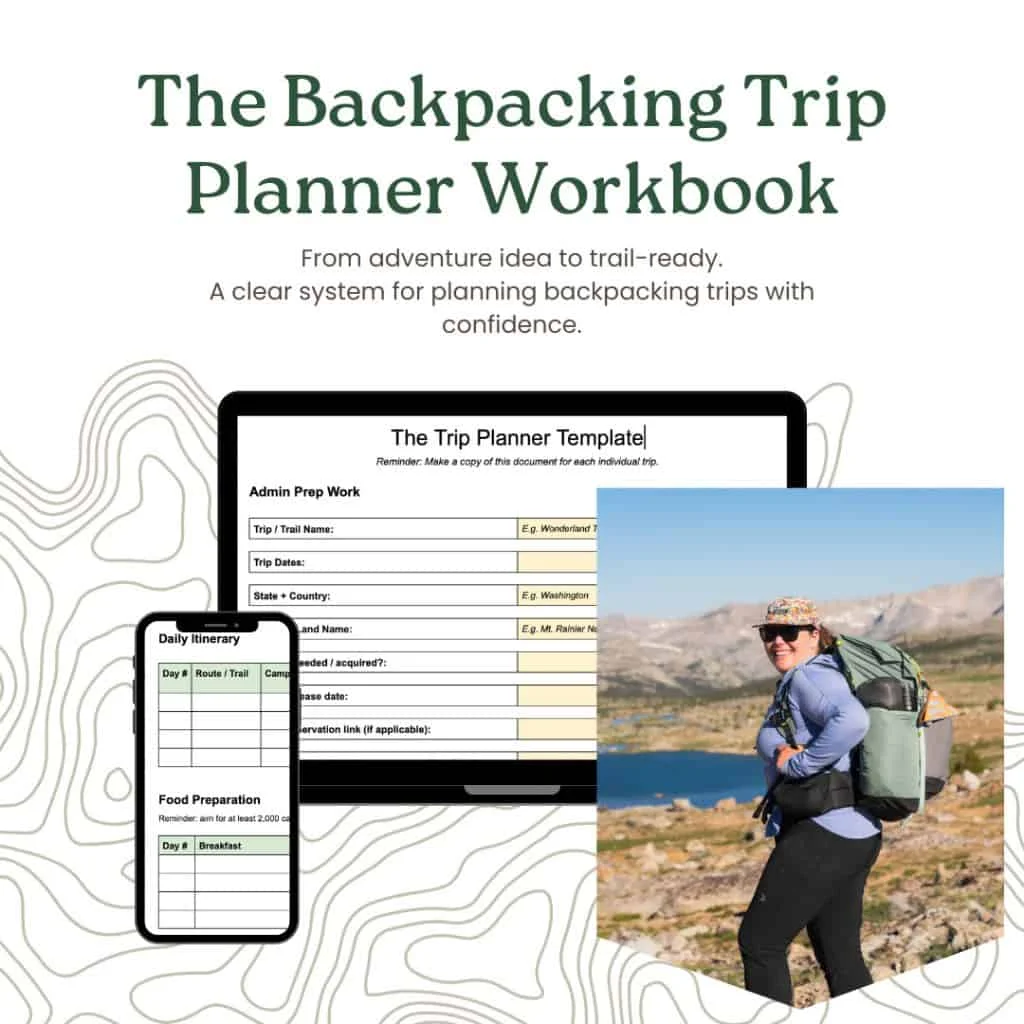
Packing smart is crucial. Invest in versatile, lightweight gear to avoid unnecessary bulk and expenses. For example, a good quality backpack that fits your needs may cost more upfront but saves money over time by avoiding replacements. Include essentials like a reusable water bottle, quick-dry clothing, and a portable phone charger.
During my first trip, carrying too many “just-in-case” items weighed me down both physically and financially. Learning to pack minimally and prioritize multifunctional items will keep you agile and stress-free on the road.
On the Road Strategies
Tips for Eating Well on a Budget
One of my fondest memories was sharing meals with new friends in local markets where vendors offered fresh and affordable dishes. Eating street food or shopping at local groceries allows you to experience authentic flavors without overspending. Cooking simple meals if your accommodation allows can also stretch your budget.
Be mindful of hygiene and safety when trying new foods, sticking to busy stalls that locals frequent. Avoid high-end restaurants except for special treats or splurges after days of frugal eating.
Saving Money on Activities and Sightseeing
Free walking tours, national parks with minimal entrance fees, and local festivals provide rich cultural experiences at low cost. When I visited Spain, joining a free flamenco show in a small plaza turned out to be the highlight of my trip.
Research free or discounted days for museums and attractions—many places have specific times when admission is waived. Bartering with local guides or joining group tours can reduce costs. Sometimes, simply walking or biking through the city opens up unexpected adventures without any fees.
Staying Safe While Traveling Cheaply
Budget travel doesn’t mean sacrificing safety. Trust your instincts, avoid poorly lit or isolated areas, and keep your belongings secure. I once lost my wallet due to carelessness on a crowded bus, which was a harsh lesson in vigilance.
Researching safe neighborhoods and maintaining regular communication with friends or family adds layers of security. Sharing travel plans with someone back home and carrying copies of important documents helps in emergencies without incurring extra expenses.
Final Thoughts and Encouragement
Making the Most of Your Budget Backpacking Experience
Budget backpacking is more than a way to save money—it’s an invitation to immerse yourself fully and creatively in new environments. Embrace flexibility, remain open to unexpected opportunities, and welcome the challenges as part of your story.
Every traveler’s journey is unique. By planning carefully, being mindful of spending, and prioritizing experience over luxury, you can create lasting memories while keeping your finances intact. Remember, the richest adventures often come from the simplest moments and the most genuine connections forged along the way.


