
Introduction to Efficient Clothes Rolling for Travel
Why Rolling Clothes Saves Space
When packing for a trip, especially one as short as a week, every inch of your bag counts. Rolling clothes, unlike traditional folding, minimizes the amount of air trapped between fabric layers, allowing garments to stack more tightly. Imagine packing a light summer shirt; if folded flat, it creates creases and takes up a bulky shape, but when rolled, it forms a compact cylinder that fits snugly against other items. This technique is not just about saving space; it helps to keep your travel bag organized and accessible, so you can find what you need quickly without unpacking everything.
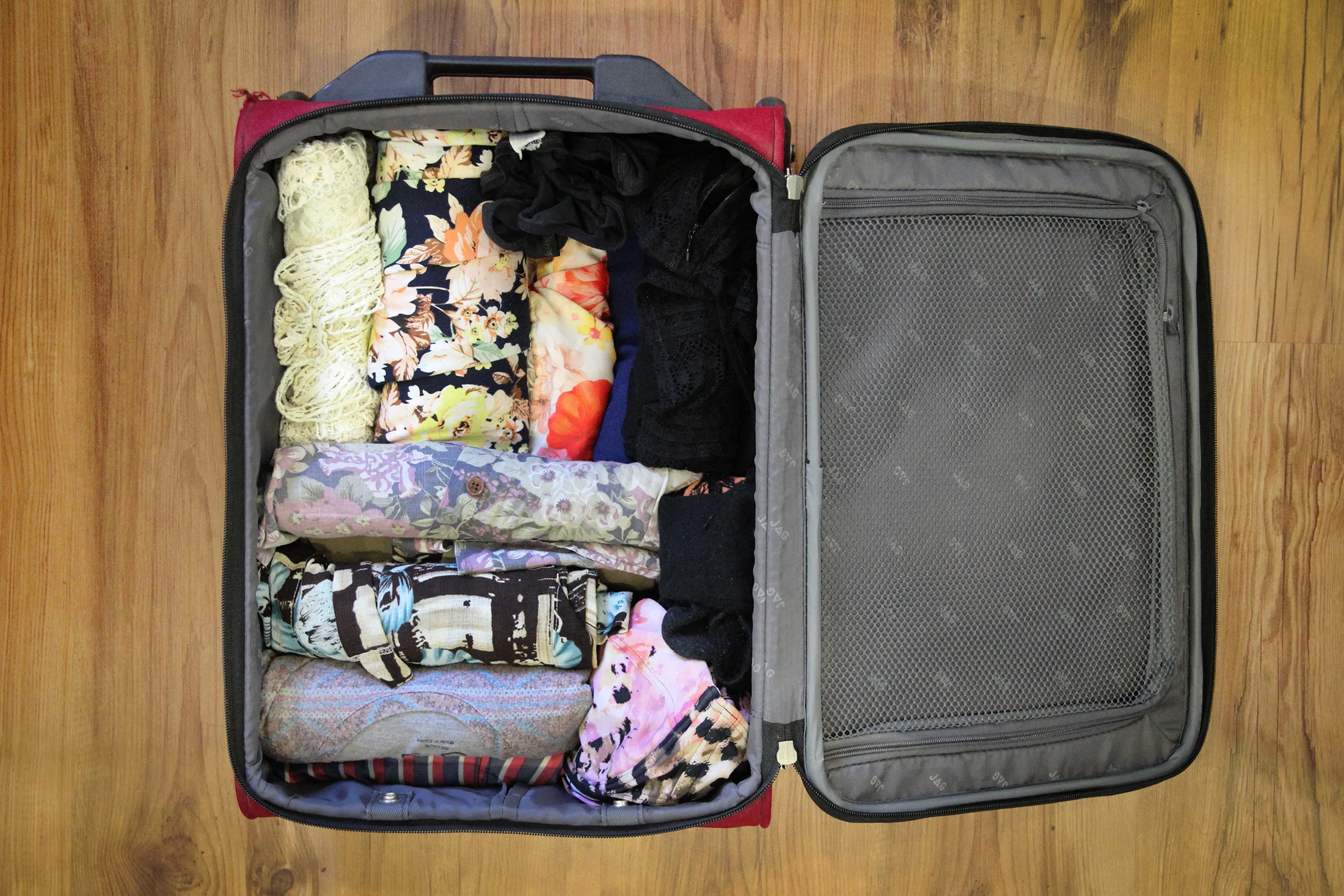
Benefits for One Week Lightweight Travel
For a one-week journey, carrying a lightweight bag can transform your entire travel experience. You’ll move faster through airports, avoid checked baggage fees, and enjoy the freedom of strolling hands-free through bustling streets or scenic trails. Rolling clothes supports this by making it easier to pack just what you need without overloading. Take the example of Sarah, a frequent traveler who mastered rolling after struggling with bulky bags. She found that her suitcase felt lighter, and her clothes stayed fresher and less wrinkled after days of transit.
Preparing Your Clothes Before Rolling
Choosing the Right Clothing Items
Before you start rolling, it’s crucial to be selective about what goes into your bag. Prioritize versatile, wrinkle-resistant fabrics like cotton blends or lightweight synthetics designed for travel. Avoid bulky sweaters or items that can’t be compressed easily. John learned this the hard way on a ski trip when he tried to roll thick fleece jackets—these ended up taking more space than if folded traditionally. Instead, opt for layering pieces like t-shirts and thin long-sleeves that can mix and match for multiple outfits.
Organizing Clothes by Fabric and Size
Sorting clothes by their fabric type and size makes rolling smoother and packing more efficient. Lay out heavier items like jeans or jackets separately and roll them only after you’ve packed lighter layers. This approach prevents delicate fabrics from being crushed and helps preserve the shape of bulky items. For example, Anna organizes her clothes by material—she rolls her cotton tees together, packs socks and underwear into small pouches, and places heavier jeans at the bottom of her bag to maintain balance.
Step 1: Folding Techniques for Different Garments
How to Fold Shirts for Compact Rolling
Start with the shirt laid face down, smoothing out wrinkles. Fold the sleeves inward to create a rectangular shape. For long-sleeve shirts, folding sleeves back toward the center works best. Then fold the shirt in half lengthwise if necessary, depending on its size. Rolling from the bottom upwards ensures a consistent, tight roll. This technique helps avoid bulky edges and keeps the roll compact, perfect for fitting into narrow spaces.
Rolling Pants and Shorts: Best Practices
Pants and shorts require a slightly different approach. Lay them flat, fold legs together, and then fold once or twice depending on length to reduce overall size. Start rolling from the waistband down to the cuffs, keeping the fabric taut. This prevents bunching and maximizes space. For instance, Mark used this method on his trip to Italy and noticed his jeans occupied significantly less room, allowing space for an extra pair of shoes.
Handling Delicate Fabrics with Care
Silk blouses, linen dresses, or any delicate fabrics need gentle handling to avoid creases and damage. Rather than folding tightly, try rolling these items loosely with tissue paper to cushion the fabric. If you’re carrying scarves or silk shirts, consider wrapping them around other rolls or placing them on top of your packed bag to prevent crushing. Lisa, a business traveler, swears by this method to keep her formal blouses fresh and crease-free during long flights.
Step 2: Rolling Clothes Properly
Step-by-Step Rolling Method
Once clothes are folded appropriately, the rolling begins. Begin by laying the garment flat, folding any sleeves or pant legs in. Start at one end—usually the bottom—and tightly roll toward the other end, keeping the roll firm. Check as you go to ensure no air pockets form, and the roll doesn’t loosen. Tight rolls not only save space but also reduce wrinkles that can form if clothes shift during travel.
Maintaining Tight Rolls Without Wrinkles
Achieving tight rolls without creasing requires practice. Using your hands to smooth the fabric as you roll prevents unwanted folds. In addition, rolling clothes while slightly damp or after steaming can help maintain smoothness once packed. Travel enthusiast Daniel swears by this, noting that his shirts come out looking almost freshly ironed after unpacking, even after a week packed in a tight bag.
Optimizing Bag Space with Rolled Clothes
Arranging Rolls Efficiently
After rolling, think of your bag as a puzzle. Large rolls—like pants or sweaters—form the base layer, while smaller rolls, such as t-shirts and undergarments, fill the gaps. Utilize corners and sides for compact items like socks and accessories. This strategic placement helps maintain bag shape and prevents clothes from shifting. Emma found that by visualizing her bag in layers, she could pack everything for a weekend trip in just a small backpack.
Using Packing Cubes or Compression Bags

Packing cubes and compression bags can elevate your rolling game. These organizers keep your rolls grouped, making unpacking effortless and maximizing compression. Compression bags, especially, squeeze out excess air, making bulky items like sweaters fit alongside lighter clothes. Travelers like Matt rely on packing cubes to separate clean clothes from dirty ones, adding convenience and hygiene during their travels.
Additional Tips for Lightweight Travel Packing
Choosing Multi-Purpose Clothing
Opting for multi-purpose clothing minimizes the number of items you need to pack. A dress that works for both daytime sightseeing and evening dinners, or a jacket suitable for rain and cold, cuts down on bulk and weight. Sarah’s travel bag is lighter and more manageable because she selects items that serve multiple functions, adapting easily to different settings.
Minimizing Accessories and Shoes
Shoes and accessories often take up the most space and add weight. Limit yourself to two pairs of shoes—one casual and one formal or specialized—and keep accessories simple. Rolling socks inside shoes or stuffing accessories in empty spaces can save room but remember not to overload shoes to avoid distorting their shape. With this approach, Tom managed to reduce his travel bag’s weight by nearly 30%, enabling him to carry it comfortably through airports.
Conclusion: Mastering Clothes Rolling for Stress-Free Travel
Efficiently rolling clothes is a skill that transforms packing from a frustrating chore into an enjoyable part of preparing for your trip. By selecting the right garments, folding with care, rolling tightly, and organizing strategically, you’ll maximize your luggage space and keep your clothes in great condition. Whether you’re a seasoned traveler or packing for your first one-week adventure, these techniques ensure you carry only what you need in a light, manageable bag—making every journey more comfortable and stress-free.


