
Understanding Low Impact Workouts
Definition and Benefits
Low impact workouts involve exercises that minimize stress on your joints while still providing effective cardiovascular and muscular benefits. These activities focus on smooth, controlled movements rather than high-impact jumps or sudden twists. The key advantage is that they are gentle enough for people recovering from injuries or those with chronic joint pain, yet still promote fitness, flexibility, and endurance.
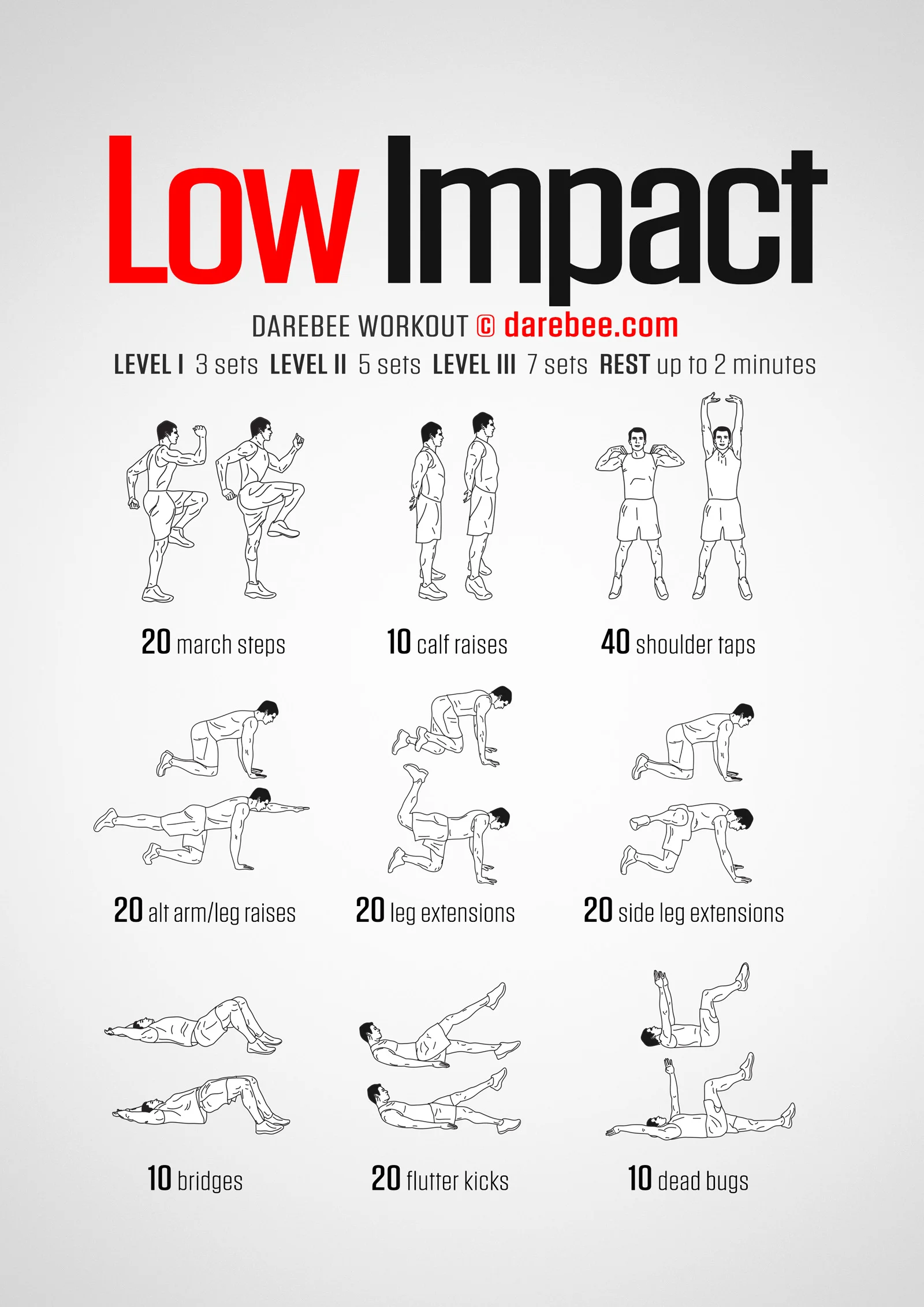
Aside from being kinder to the body, these workouts can improve overall mobility, reduce the risk of injury, and support mental well-being by encouraging consistent, sustainable physical activity.
Who Should Consider Low Impact Exercises?
Anyone looking to maintain fitness with minimal joint strain can benefit from low impact routines. This includes older adults, individuals managing arthritis or osteoporosis, pregnant women, or beginners who want to ease into exercise. Even seasoned athletes can incorporate low impact days to aid recovery and prevent burnout.
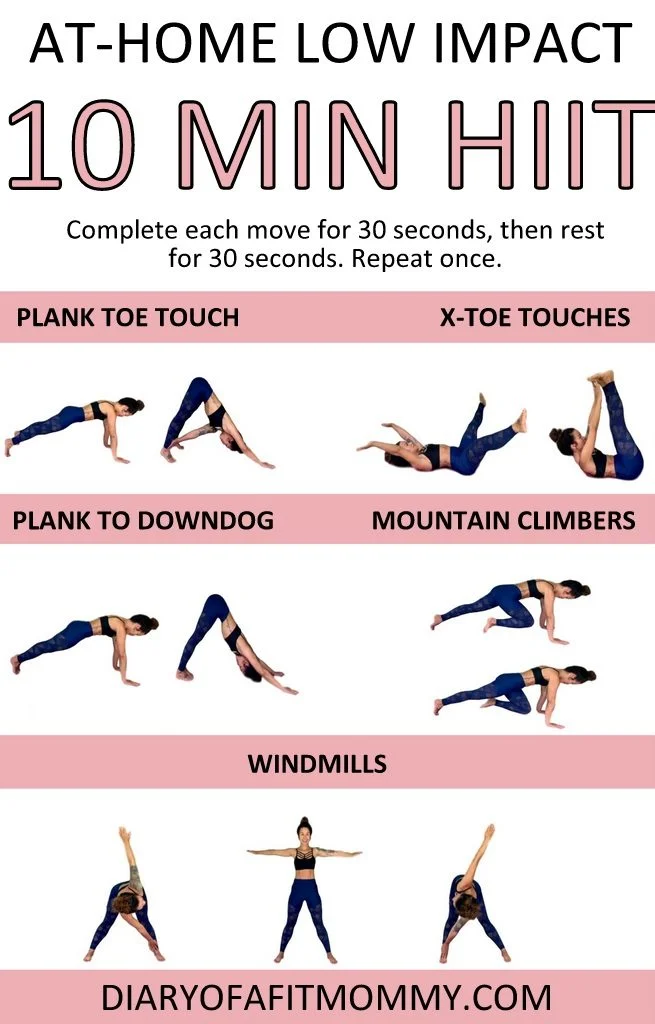
Choosing low impact workouts allows a wider range of people to stay active without discomfort, making fitness accessible and enjoyable in the long term.
Preparation Before Starting
Setting Realistic Fitness Goals
Before beginning, define clear, achievable goals based on your current fitness level and lifestyle. Consider what you want to improve—be it strength, flexibility, or endurance. Start small with short sessions and gradually increase duration or intensity. This approach helps maintain motivation while minimizing the chance of injury or discouragement.
Essential Equipment for a Home Workout
Low impact workouts typically require minimal gear. A yoga mat provides cushioning, especially on hard floors. Resistance bands add gentle strength training options without heavy weights. Light dumbbells or household items like water bottles can be useful as well. Comfortable, supportive shoes and breathable clothing enhance your workout experience.
Creating a Comfortable Workout Space
Choose a clean, clutter-free area with enough room to move freely. Good lighting and ventilation improve comfort and alertness. Ensure that your space has a firm surface to balance stability with joint protection. Setting up dedicated workout time and space fosters consistency and makes exercise a routine part of your day.
Step 1: Warm-Up Techniques
Importance of Warming Up
Warming up prepares your muscles and joints for the workout ahead. It increases blood flow, raises your core temperature, and reduces the risk of strains or sprains. Even low impact exercises benefit from a proper warm-up to enhance performance and prevent injury.
Simple Warm-Up Exercises to Try
Start with gentle marching in place or slow knee lifts to gradually increase heart rate. Shoulder rolls and arm circles loosen upper body muscles. Ankle circles and hip rotations improve joint mobility. Spend 5 to 10 minutes on these movements before advancing to your main workout.
Step 2: Core Low Impact Exercises
Beginner-Friendly Cardio Movements
Low impact cardio can include walking or marching in place, side steps, and gentle step-touches. These exercises elevate your heart rate without harsh impact. Maintaining a steady pace ensures you stay within a comfortable effort level while benefiting cardiovascular health.
Strength Training Without Stressing Joints
Focus on bodyweight exercises such as wall sits, seated leg lifts, and modified push-ups. Resistance bands are excellent for controlled muscle strengthening. These methods build strength gradually, supporting joint stability without causing discomfort.
Flexibility and Balance Workouts
Incorporate stretches for major muscle groups and balance exercises like standing on one foot or heel-to-toe walking. These improve coordination, reduce stiffness, and help prevent falls, especially important for older adults or those new to exercise.
Step 3: Cool-Down and Recovery
Stretching Routines to Prevent Injury
Cooling down with gentle stretching helps muscles relax, reduces soreness, and restores flexibility. Focus on slow, sustained stretches targeting the legs, back, and shoulders. Hold each stretch for 20 to 30 seconds without bouncing.
Incorporating Breathing Exercises
Deep, controlled breathing during cool-down lowers heart rate and calms the nervous system. Techniques such as diaphragmatic breathing enhance relaxation and support recovery, making your workout more effective and restorative.
Tips to Stay Motivated and Consistent
Tracking Your Progress
Keep a workout journal or use simple apps to log your sessions, noting exercises, duration, and how you feel. Seeing your progress over time reinforces commitment and helps adjust routines as needed.
Using Technology and Apps
Many apps provide guided low impact workouts and reminders. These tools offer structure and variety, reducing boredom and supporting goal achievement. Choose apps with beginner-friendly options and progress tracking features.
Finding a Support System at Home
Engage family members or friends to join you in workouts. Sharing goals enhances accountability and makes exercise more enjoyable. Online communities and social media groups also provide motivation and advice.
Common Mistakes to Avoid in Low Impact Workouts
Don’t skip warm-ups or cool-downs, as this can lead to injury. Avoid pushing too hard too soon; gradual progression is key. Using improper form, even in low impact moves, risks strain or discomfort. Be mindful of your body’s signals and rest as needed to ensure a sustainable practice.
Additional Resources and Next Steps
Recommended Videos and Tutorials
Explore trusted fitness channels that focus on gentle, low impact exercise routines. Look for classes led by certified instructors who emphasize proper technique and safety. Guided sessions help build confidence and structure.
When to Consult a Professional
If you have chronic health conditions, persistent pain, or are unsure about the suitability of certain exercises, seek advice from a healthcare provider or physical therapist. Professional guidance can tailor workouts to your needs and maximize benefits safely.


